
ENGLISH | 华文版
Highlights of Namibia: A Private Guided Adventure (June/July 2025)
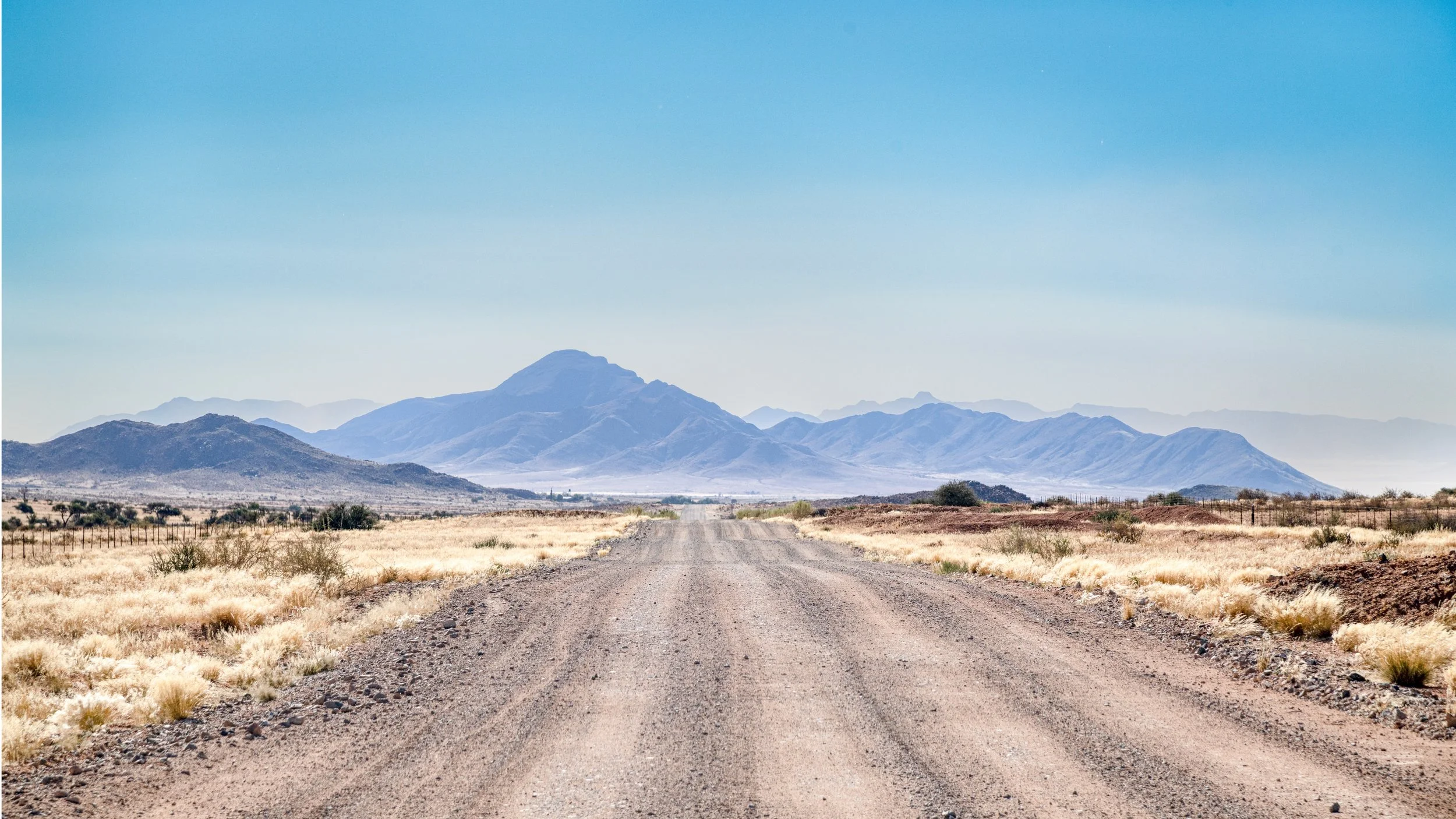
Namibia is a land of impossible contrasts. Over 17 unforgettable days on a private guided expedition, we journeyed across vast, changing landscapes. We stood before the colossal fissures of the world’s second-largest canyon, climbed the fiery orange dunes of the Namib Desert, and watched 19th-century Bavarian ghost towns get swallowed by shifting sands. We slept just feet away from two lioness at a beautiful waterhole and dined under the stars as black rhinos stepped out of the dark.
Our journey began with a flight from Singapore via Ethiopian Airlines, landing in Windhoek. Namibia's quiet capital welcomed us with a relaxed pace, feeling incredibly safe and peaceful—the perfect gateway for the expedition ahead.
They say a picture speaks a thousand words, and Namibia’s landscapes speak for themselves. Below is the visual diary of our journey across this spectacular corner of Africa, broken down into five distinct chapters.
1. The Dramatic South (Fish River Canyon & Lüderitz)
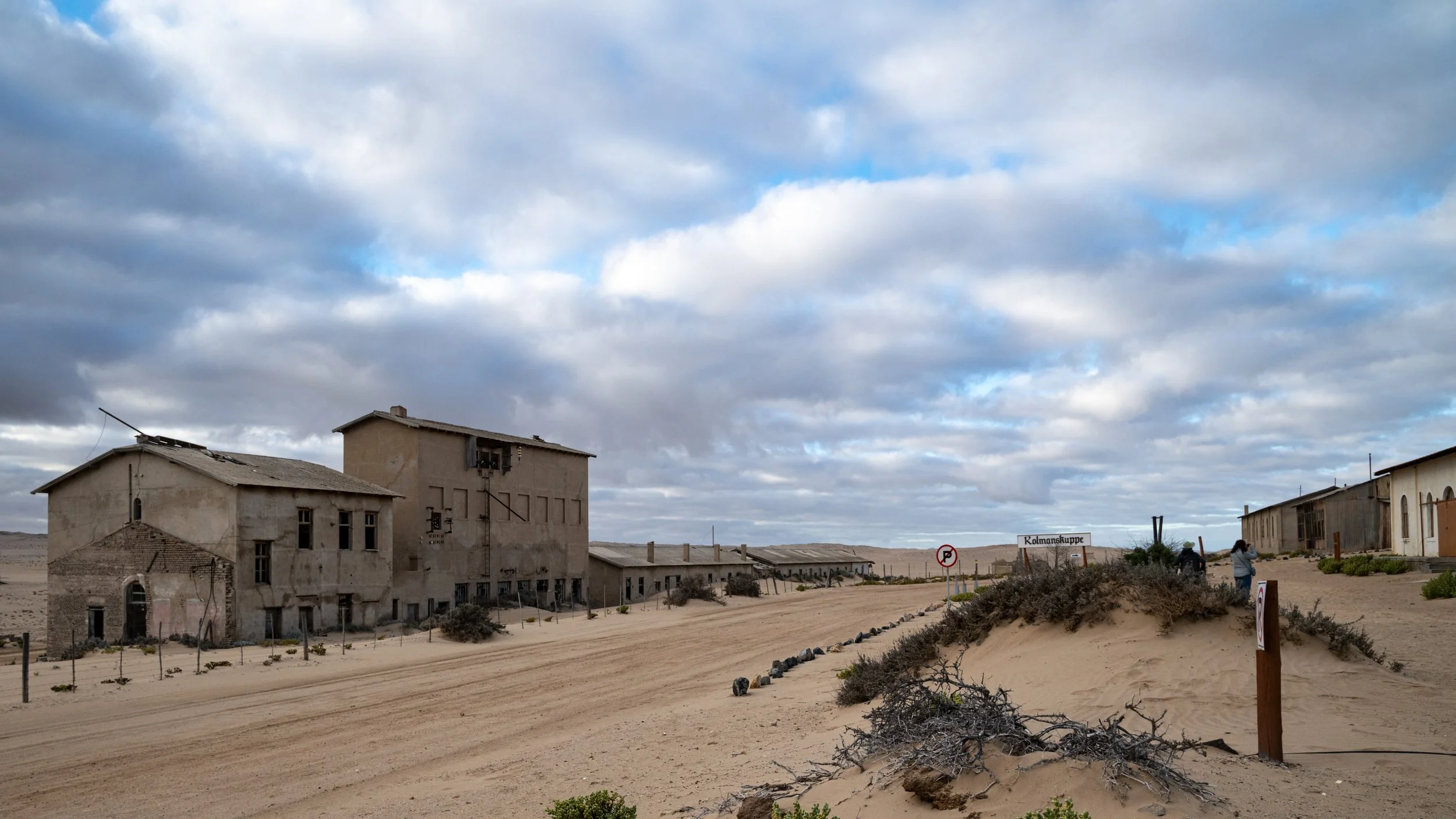
Our adventure began in the harsh, beautiful environment of Southern Namibia. Standing on the edge of Fish River Canyon—Africa's largest and the world's second-largest—was a humbling lesson in raw geographic scale. From there, we pushed to the windswept coast of Lüderitz, a striking anomaly of 19th-century Bavarian architecture, Lutheran churches, and German bakeries bordering the pinkish sand dunes of the Namib Desert. The absolute highlight of this region was exploring the nearby ghost town of Kolmanskop, a silent, abandoned diamond-boom settlement where the desert is slowly reclaiming the grand colonial buildings, pouring sand dunes through the doorways.
2. The Mighty Namib Desert & Deadvlei
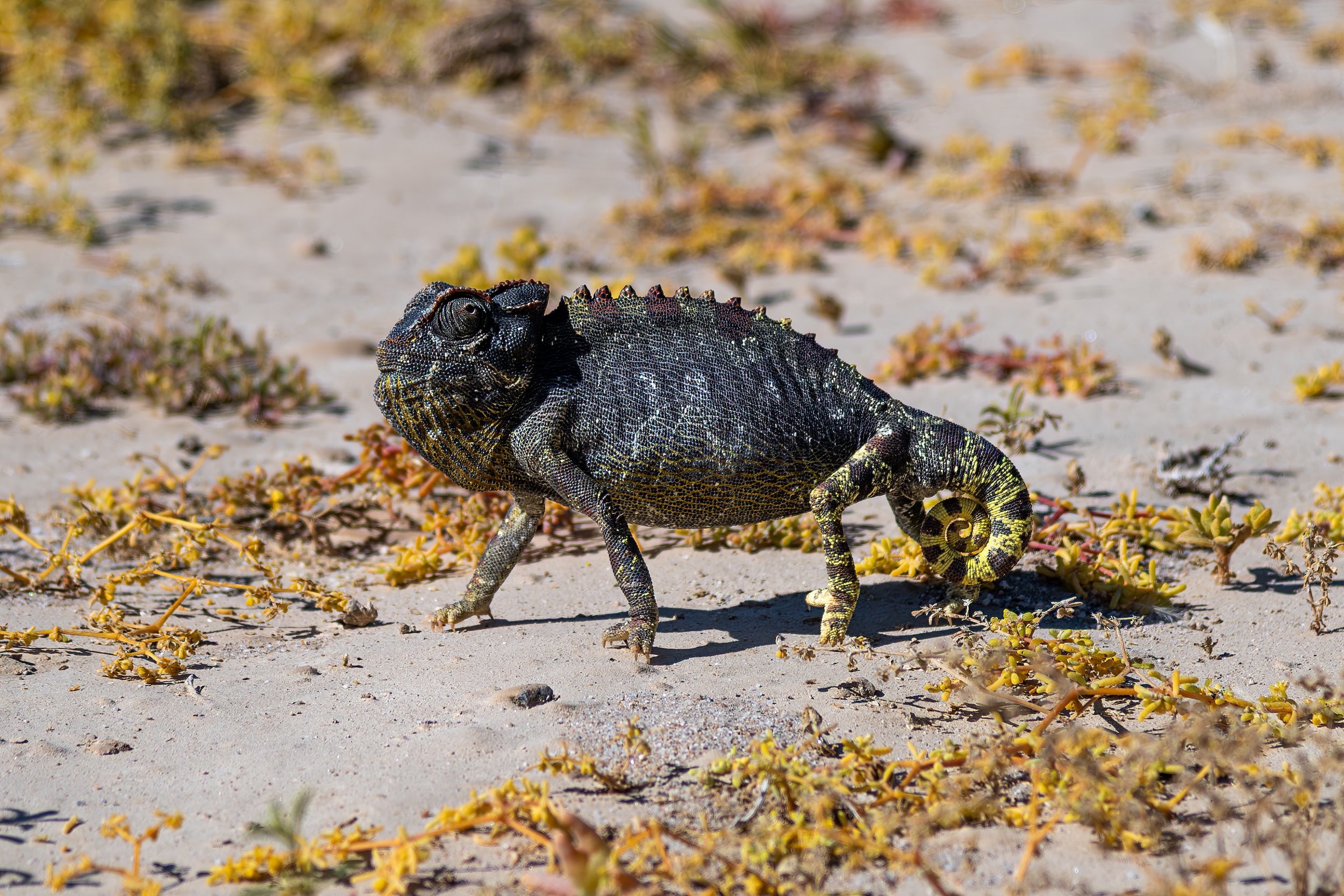
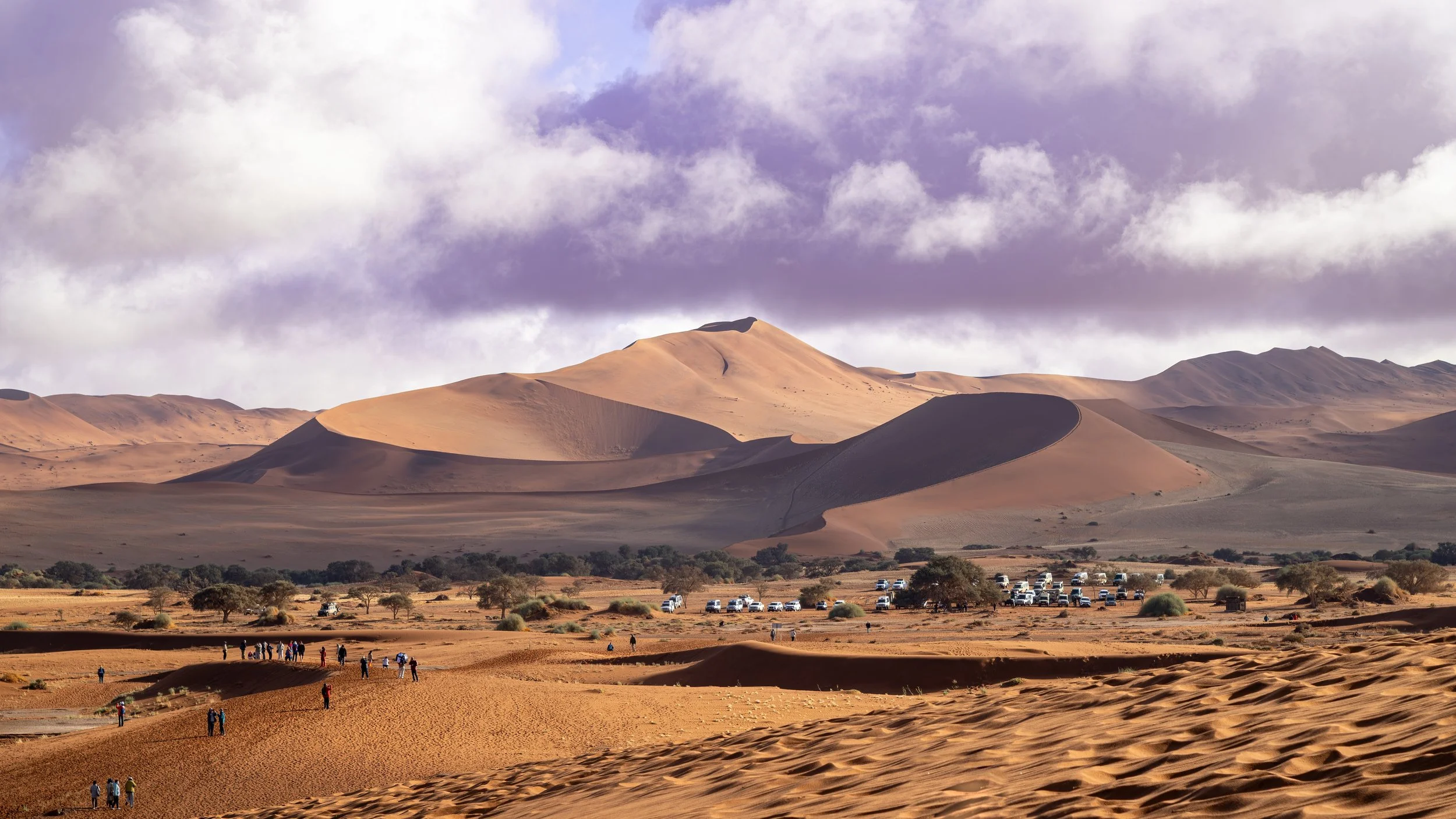
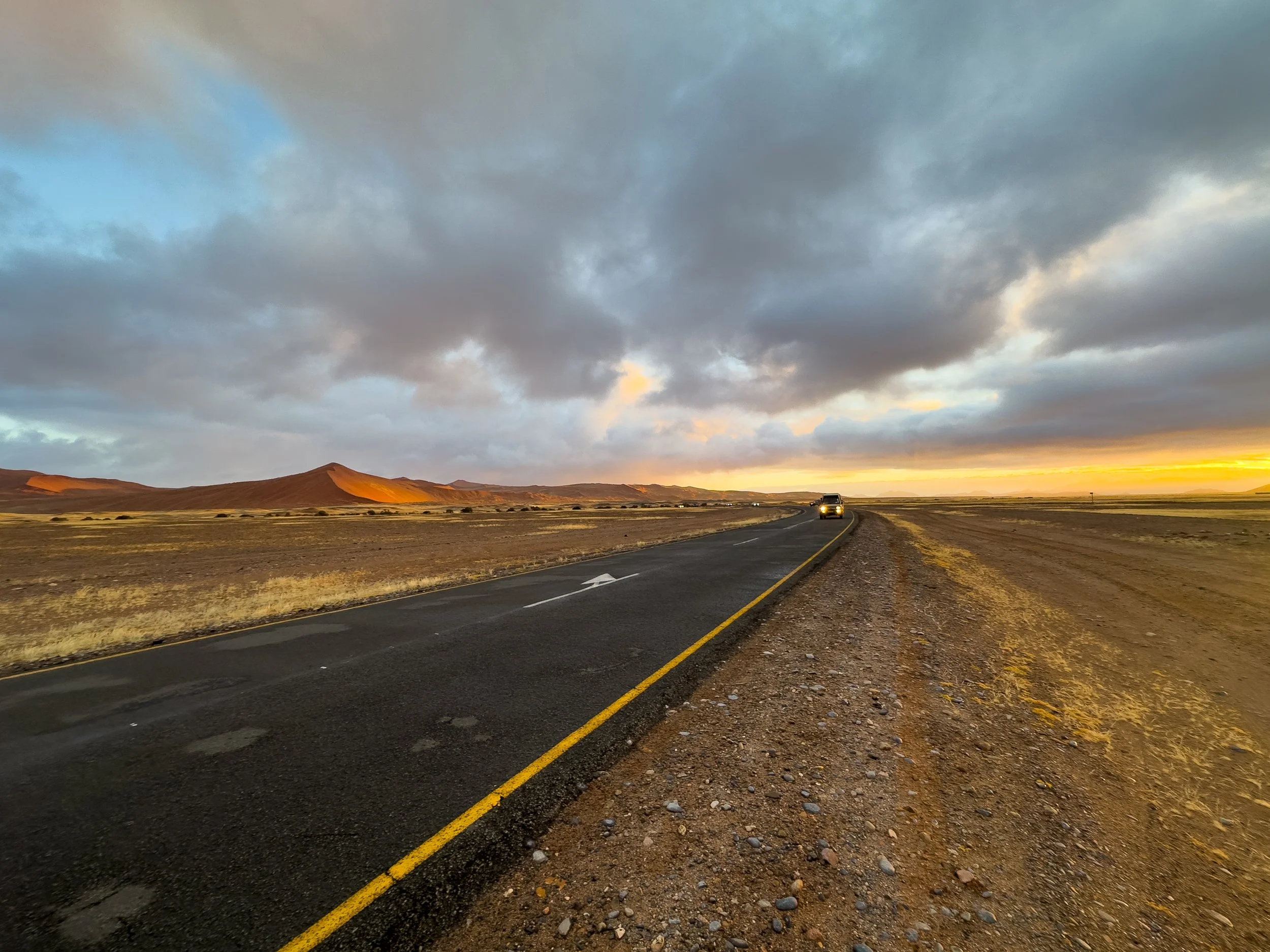
Moving north, we entered the iconic, fiery heart of the desert. Because there is no accommodation directly inside the wilderness of Sossusvlei, Sesriem served as our base to explore the towering sand dunes. We beat the intense desert heat by hiking on foot into the narrow, stony depths of Sesriem Canyon. Rock walls rise sharply on both sides of the deep chasm, where birds roost in the crags and lizards dart along the ledges.
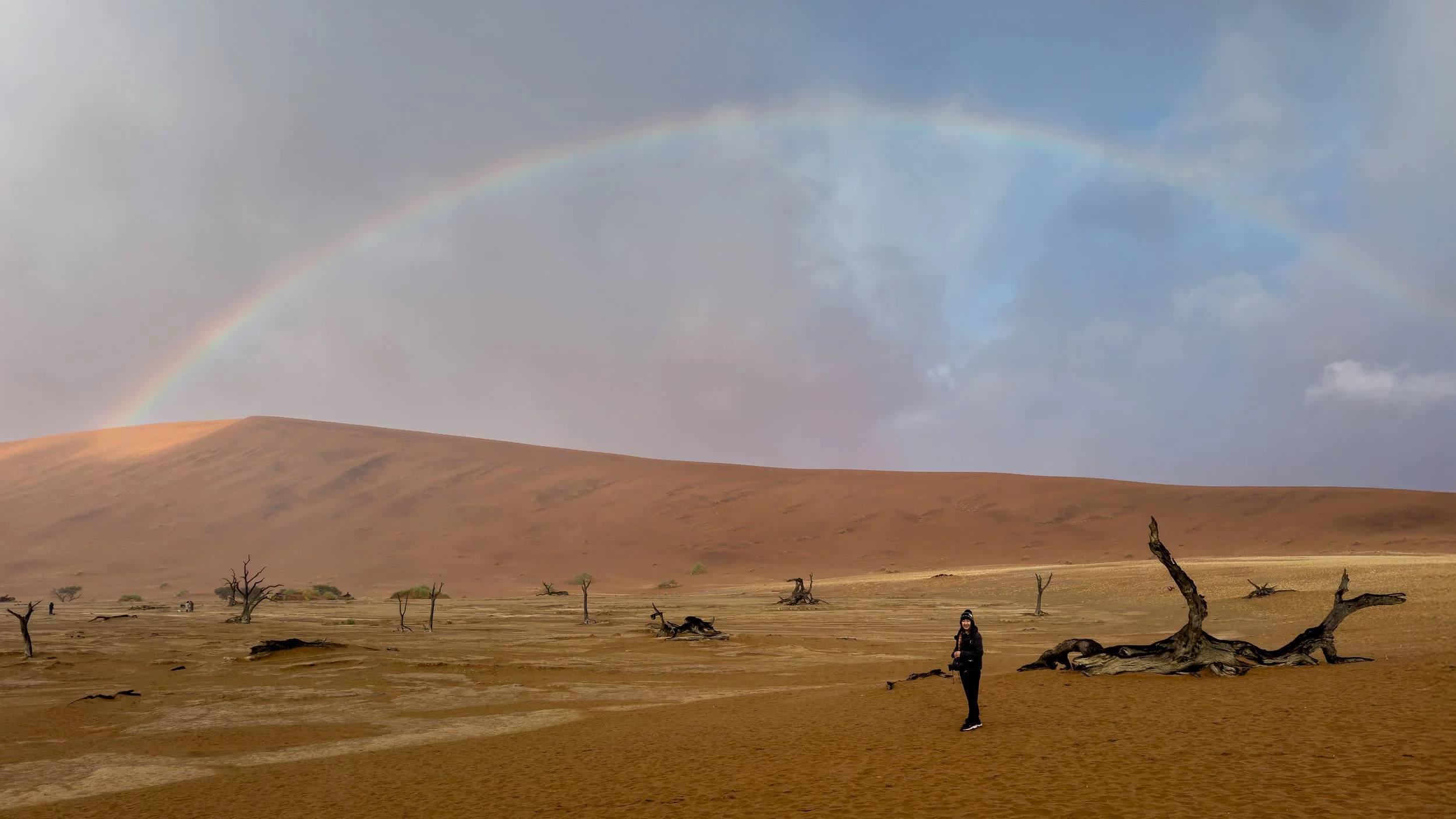
The crown jewel of this desert landscape was Deadvlei. Against all odds, our visit caught a rare, fleeting moment of weather—a short, sudden desert rain. As the clouds parted over the stark, 900-year-old dead camel thorn trees and white clay pans, a brilliant rainbow arced across the towering orange dunes, offering a truly surreal photographic masterpiece.
🧭 Shifting Perspectives: The Desert Rainbow
The vibrant rainbow after that rare desert rain reminded me of the discomfort we often feel during major life transitions. The chapters of our lives that feel the most stagnant are often exactly where the most brilliant clarity is waiting to break through.
In my coaching practice, I provide the strategic space to help executives navigate these profound shifts and design what comes next.
3.The Wild Coastline (Sandwich Harbour & The Skeleton Coast)
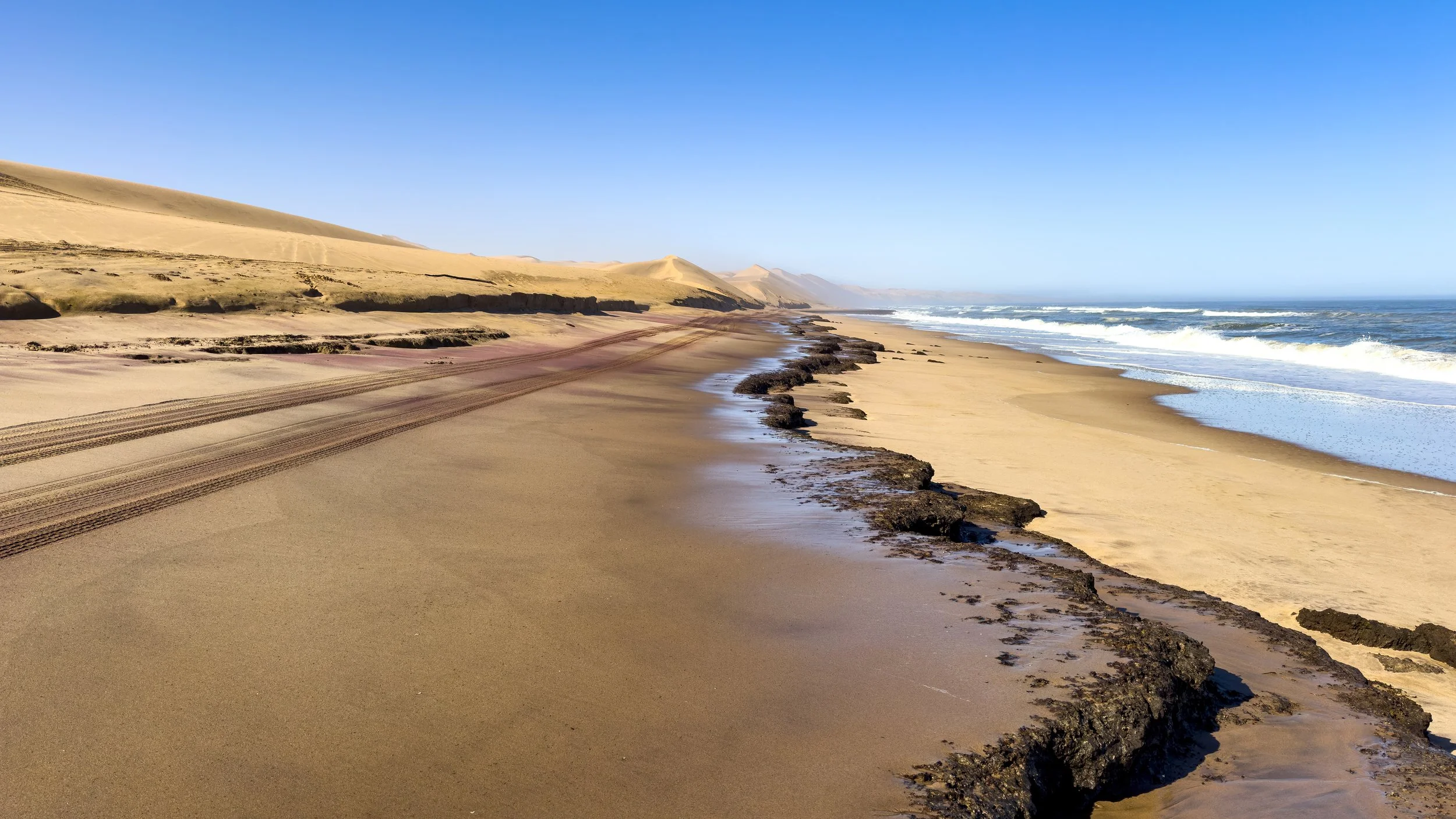
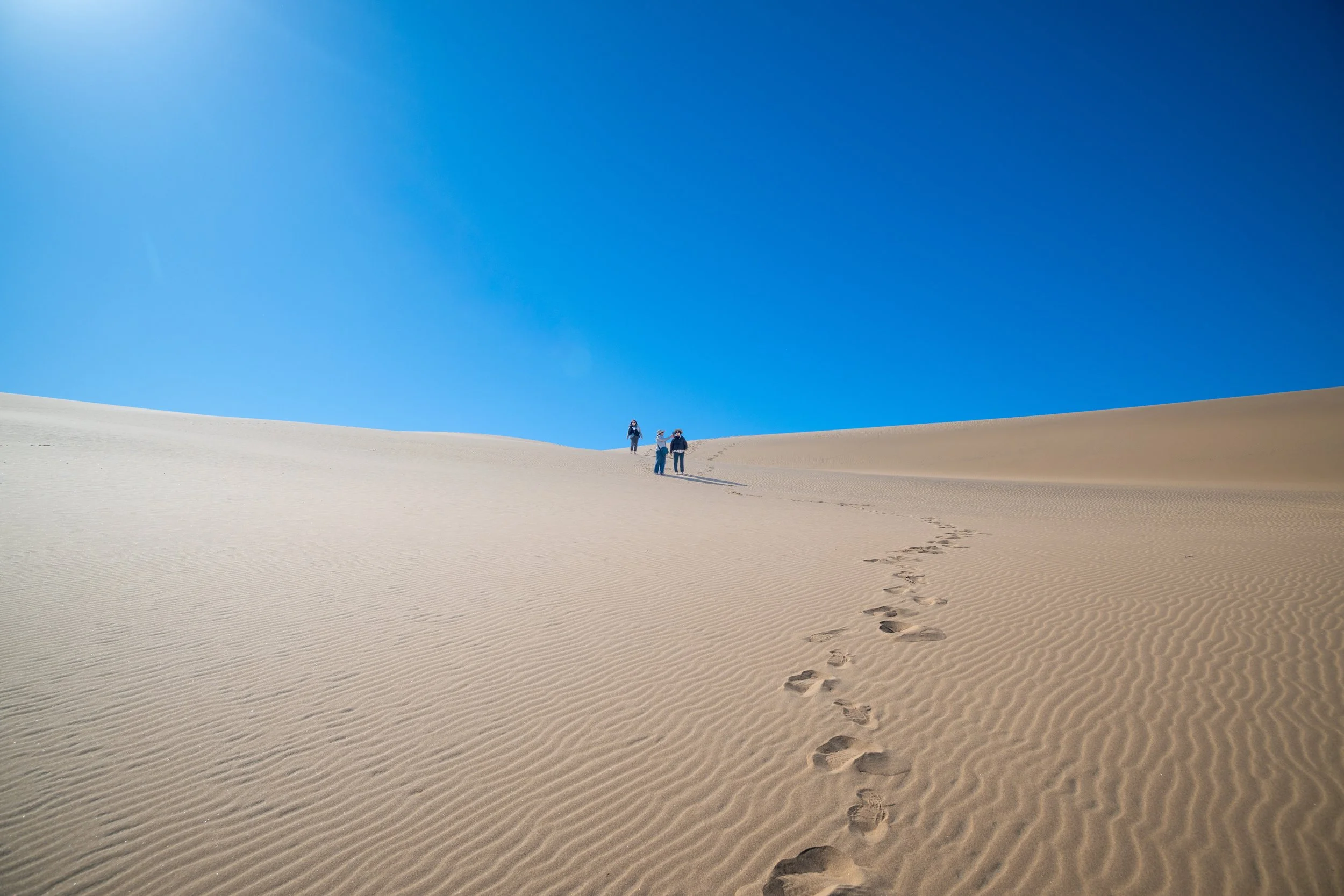
Transitioning from the deep desert to the Atlantic coast, the landscape shifted dramatically into otherworldly coastal terrain. The absolute adrenaline highlight of our time around Swakopmund was a morning 4x4 expedition to the legendary Sandwich Harbour. Here, massive, golden desert dunes plunge vertically straight into the roaring waves of the Atlantic Ocean. Powering up the steep, towering sand walls in our 4x4 was thrilling, but the best part was stepping out onto the crests into the crisp morning air, leaving our solitary footsteps along the trackless, sweeping sand ridges.
Right there on the coast, we stopped for a scenic picnic lunch with a view of the surf. As we ate, we had a surprise companion - a pair of curious black-backed jackals trotted close by.
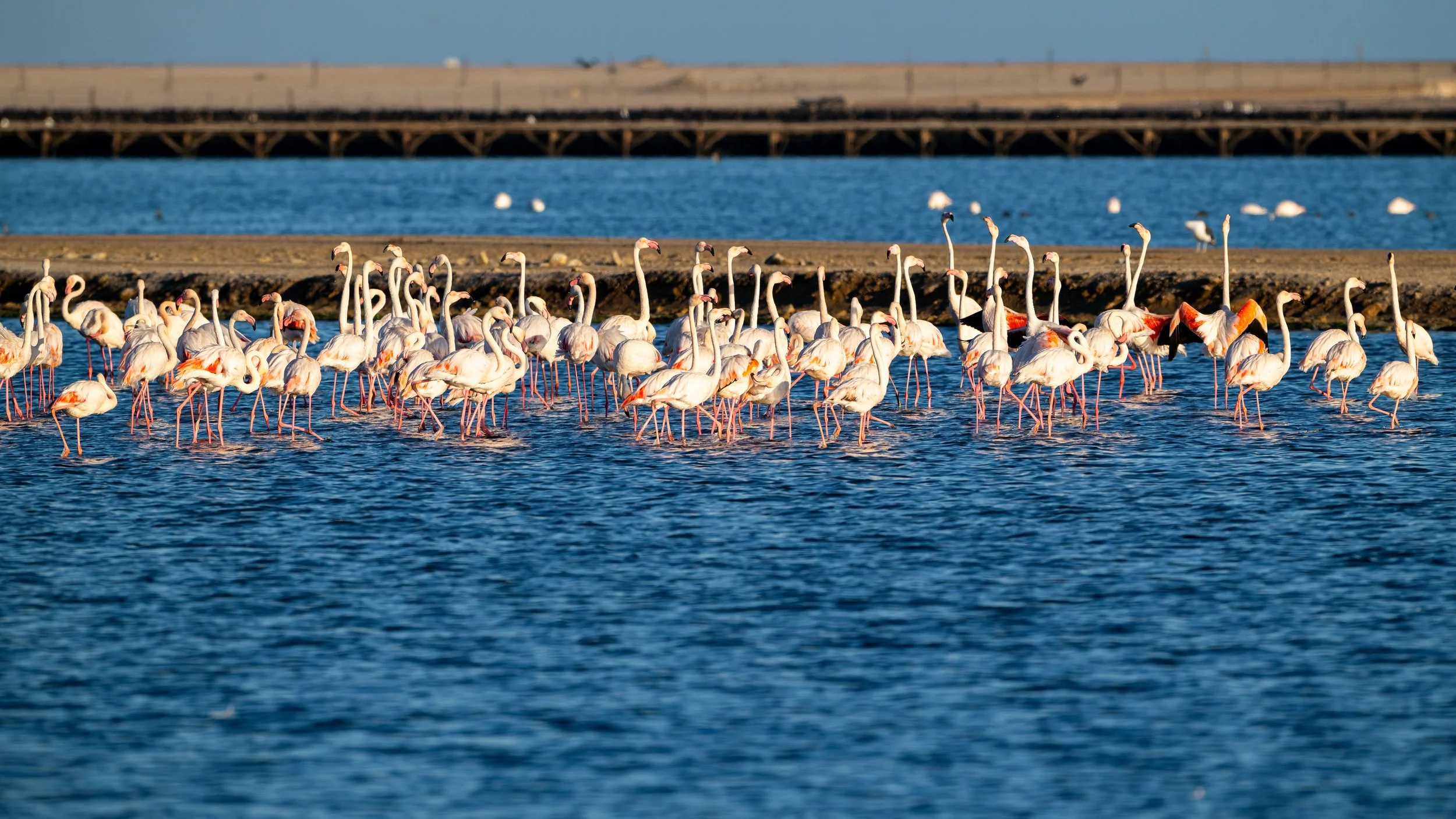
Heading away from the harbor, we passed the vibrant coastal salt pans just to the south. Painted in brilliant shades of pink, these shallow waters were blanketed by hundreds of lesser flamingos stepping through the shallows.
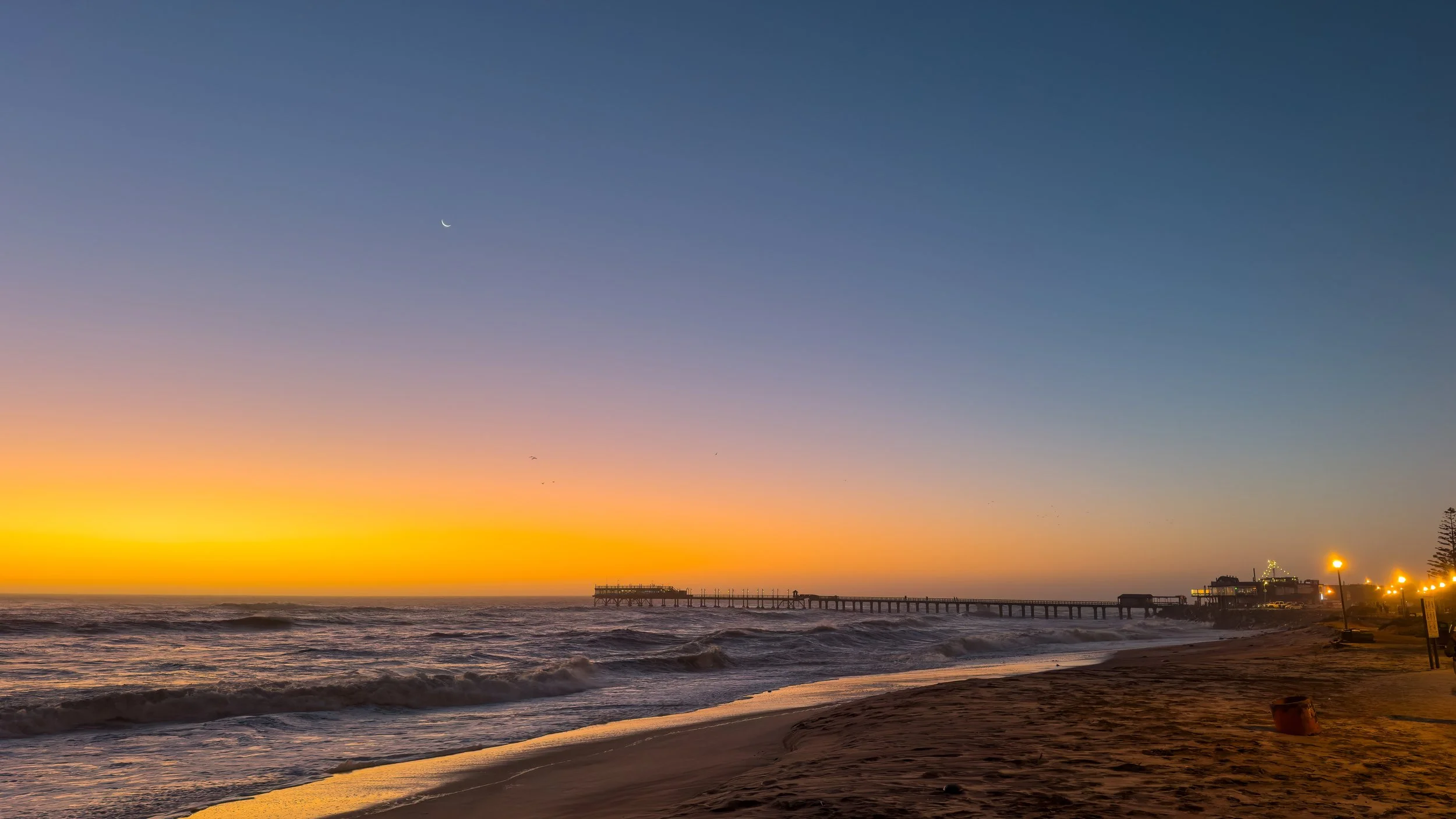
After the harbour visit, we stayed one night in the town of Swakopmund. The evening was a slow stroll along the beach, enjoying a beautiful sunset and spotting unexpected groups of guinea fowls wandering calmly through the streets. T
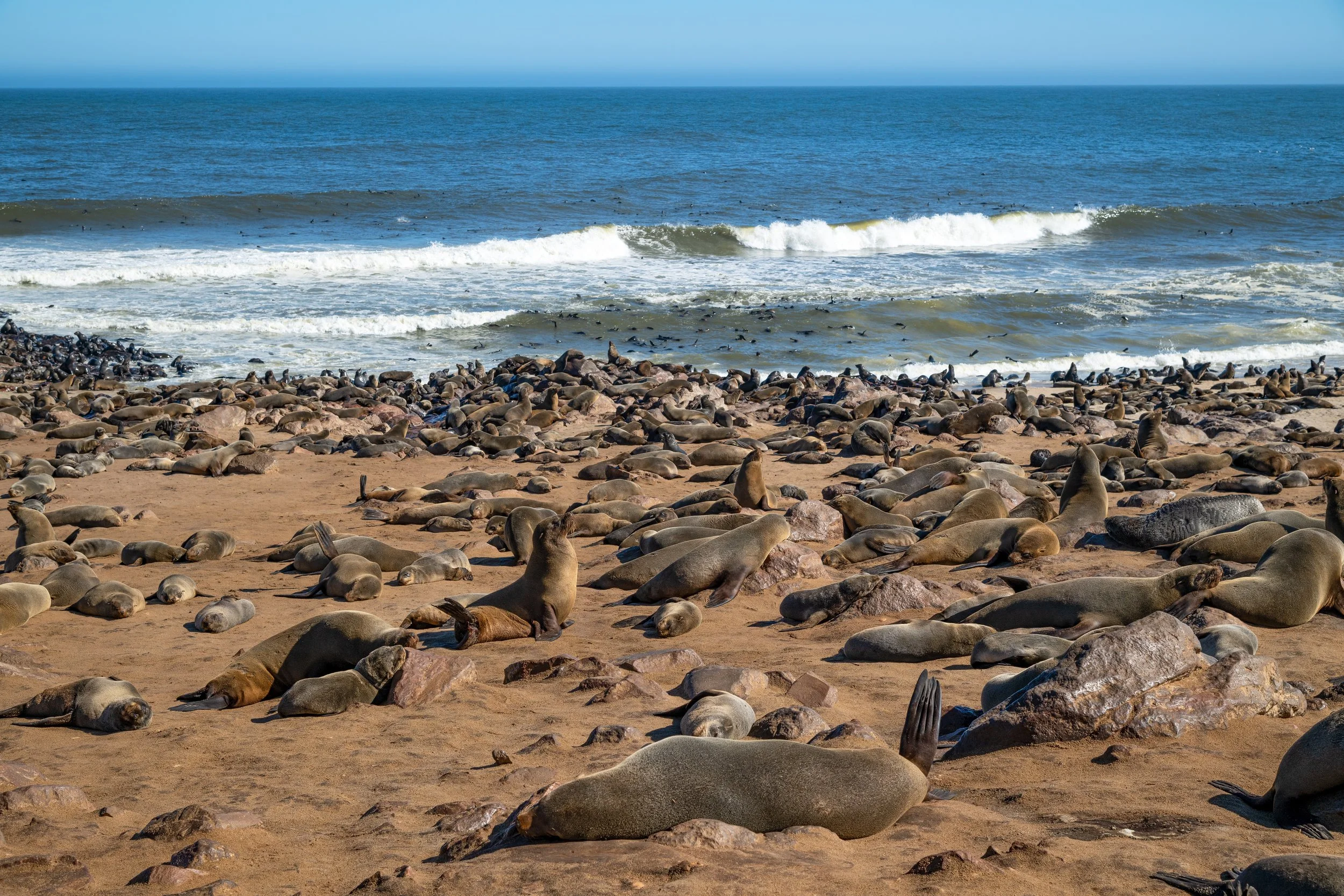
he next day, we turned north to begin our drive toward the desolate, fog-shrouded Skeleton Coast. Along the way, we navigated the rugged shoreline to reach the Cape Cross Seal Reserve, home to the world’s largest breeding colony of Cape fur seals—a sprawling, noisy, and wonderfully chaotic mass of over 100,000 animals sprawling across the rocks. Pushing further up the coast, the haunting atmosphere of the environment came alive as we discovered an eerie, rusted shipwreck marooned on the beach, a stark sentinel illustrating why early Portuguese sailors feared this shoreline as "The Gates of Hell."
4.The Wildlife of Etosha National Park (Okaukuejo & Onguma)
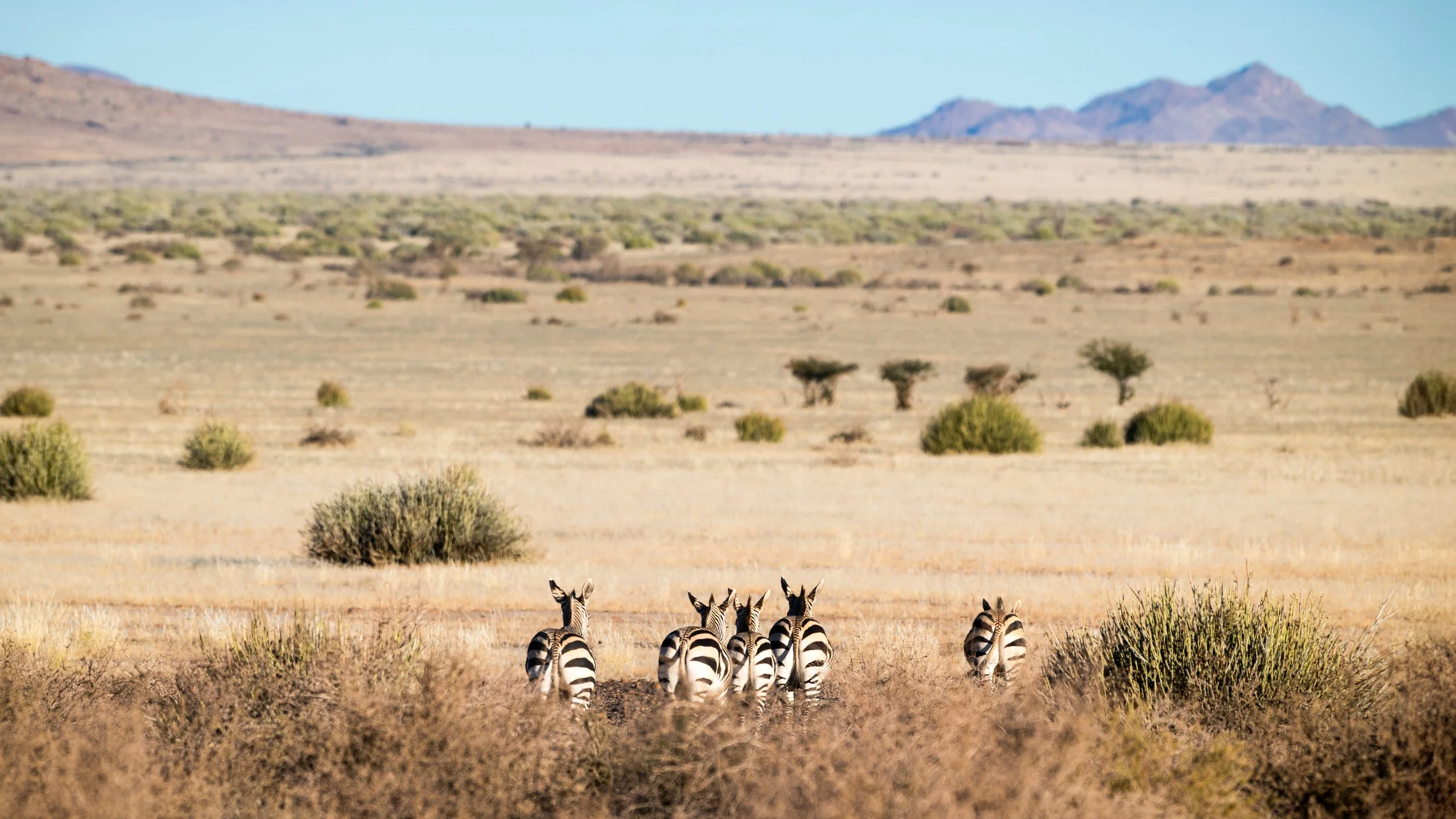
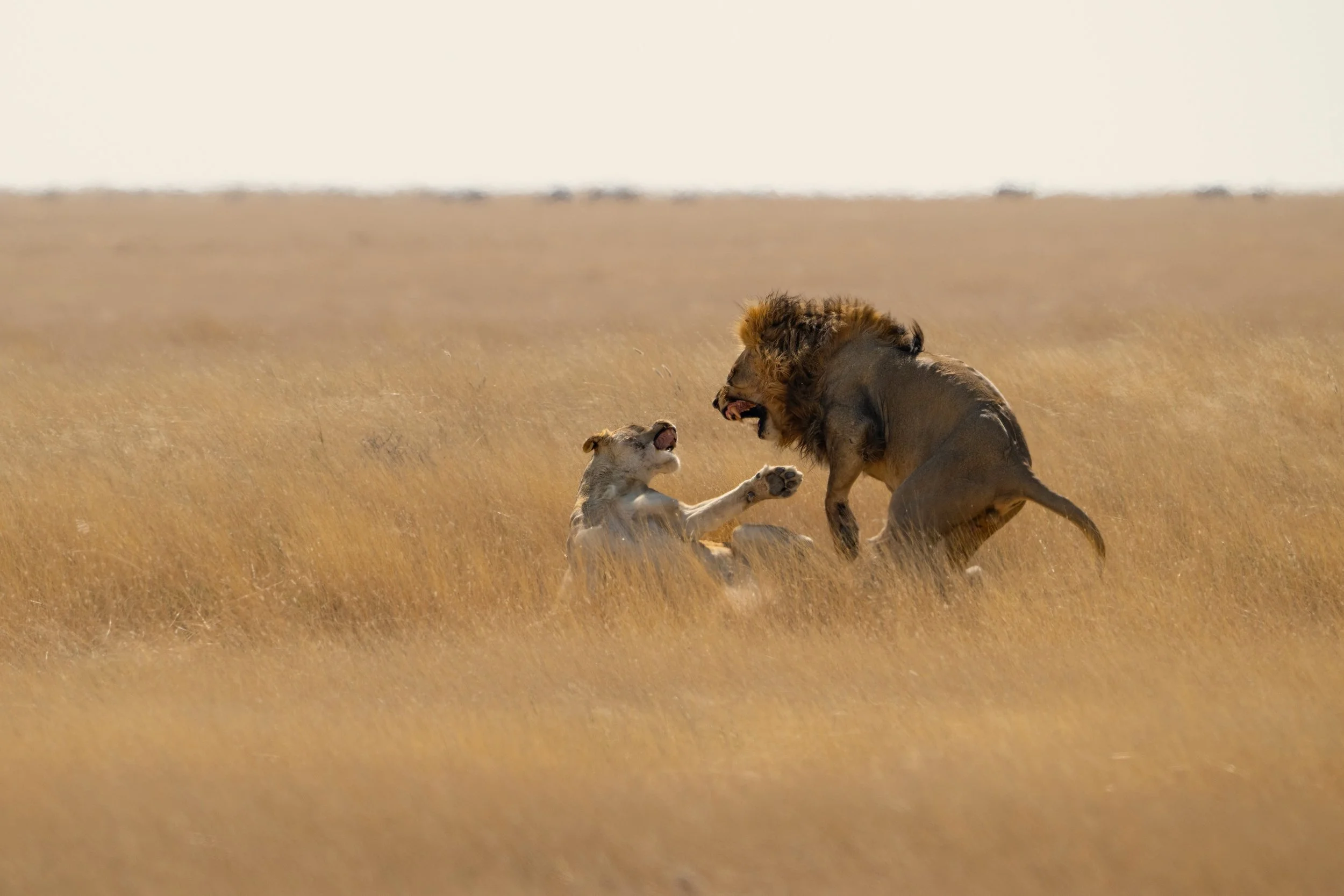
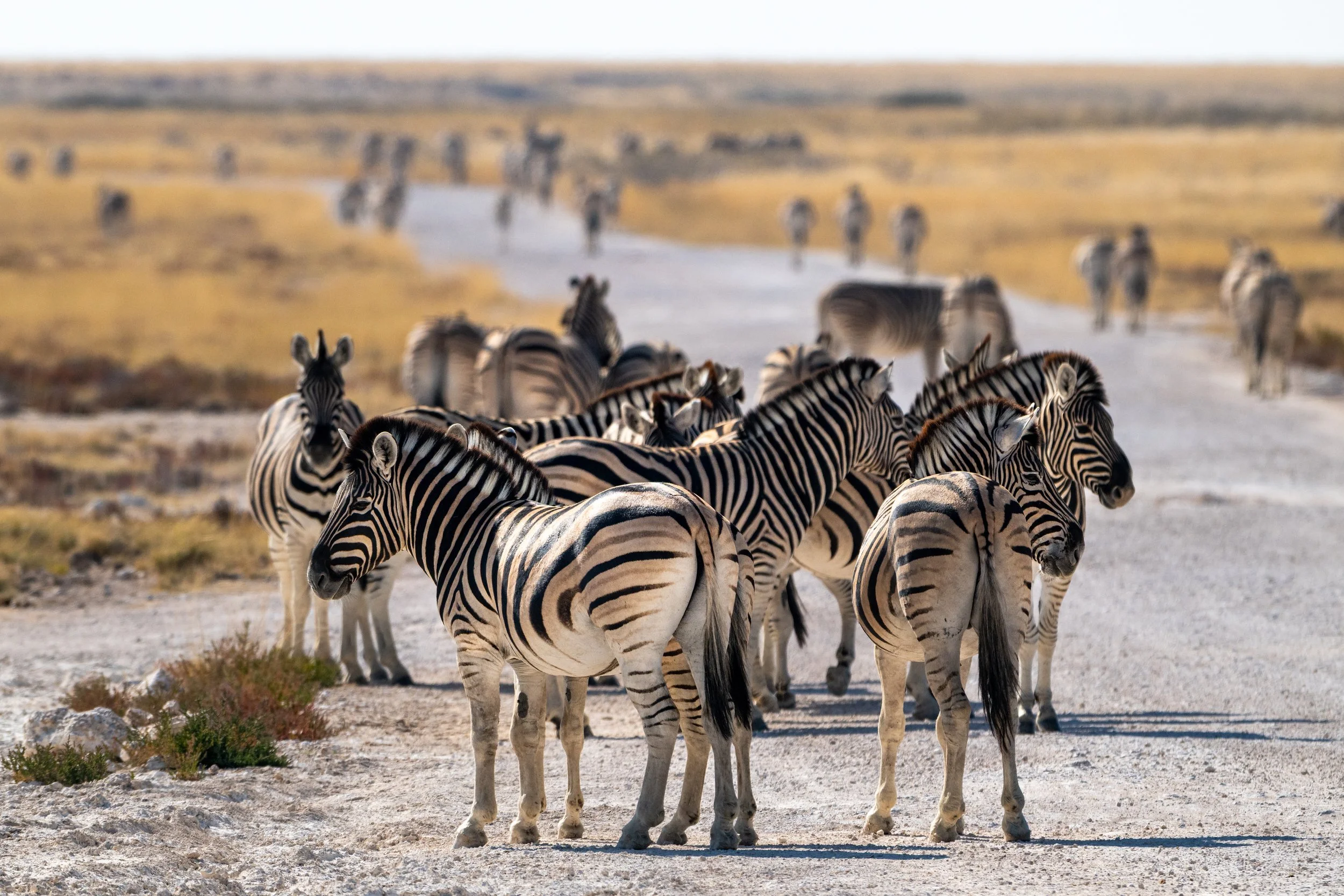
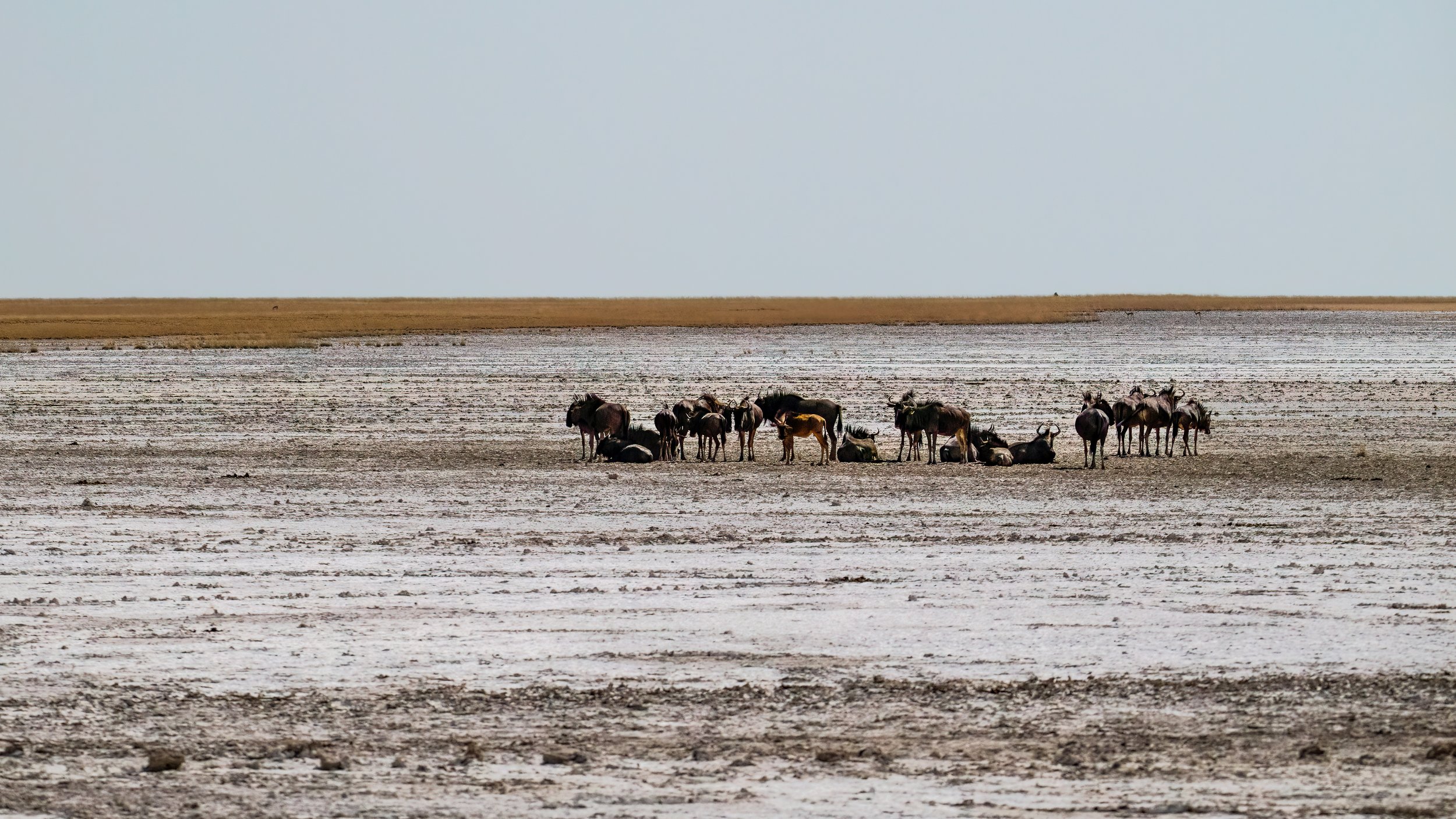
This was the absolute peak of our safari. Even before reaching our camp, the wilderness treated us to non-stop drama: tracking a cheetah at close range and spotting a pair of mating lions. Out on the vast, shimmering salt pan, a group of wildebeest had gathered closely together against the stark landscape, creating a beautifully composed, picture-perfect photographic scene.
We stayed just one night at Okaukuejo Camp, located right inside the national park. The rooms were basic, but its famous waterhole was unforgettable. Very early in the morning, piercing the dim light before dawn, we found two lionesses lingering right at the water’s edge—a spectacular final sight before we had to quickly pack up and leave.
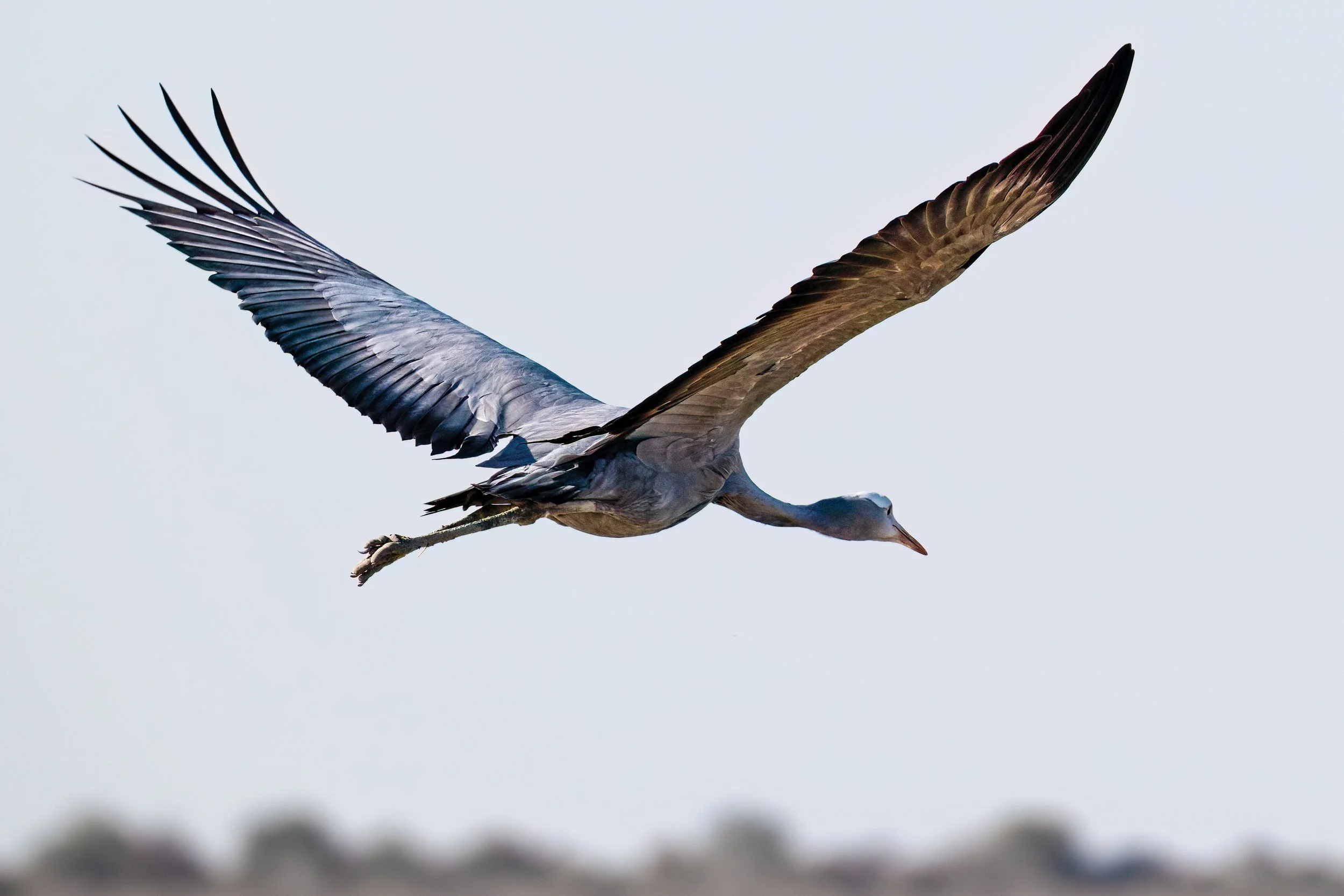
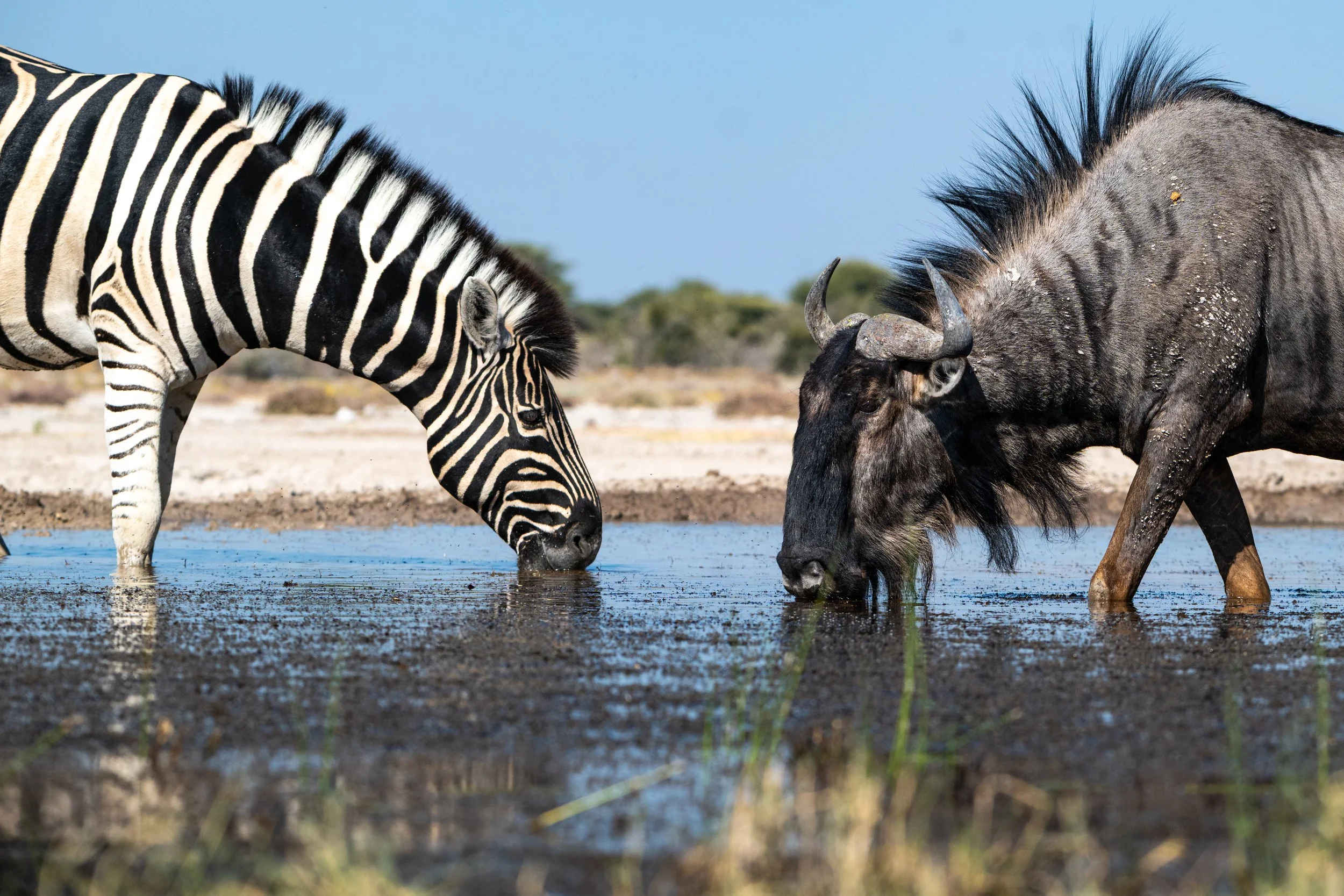
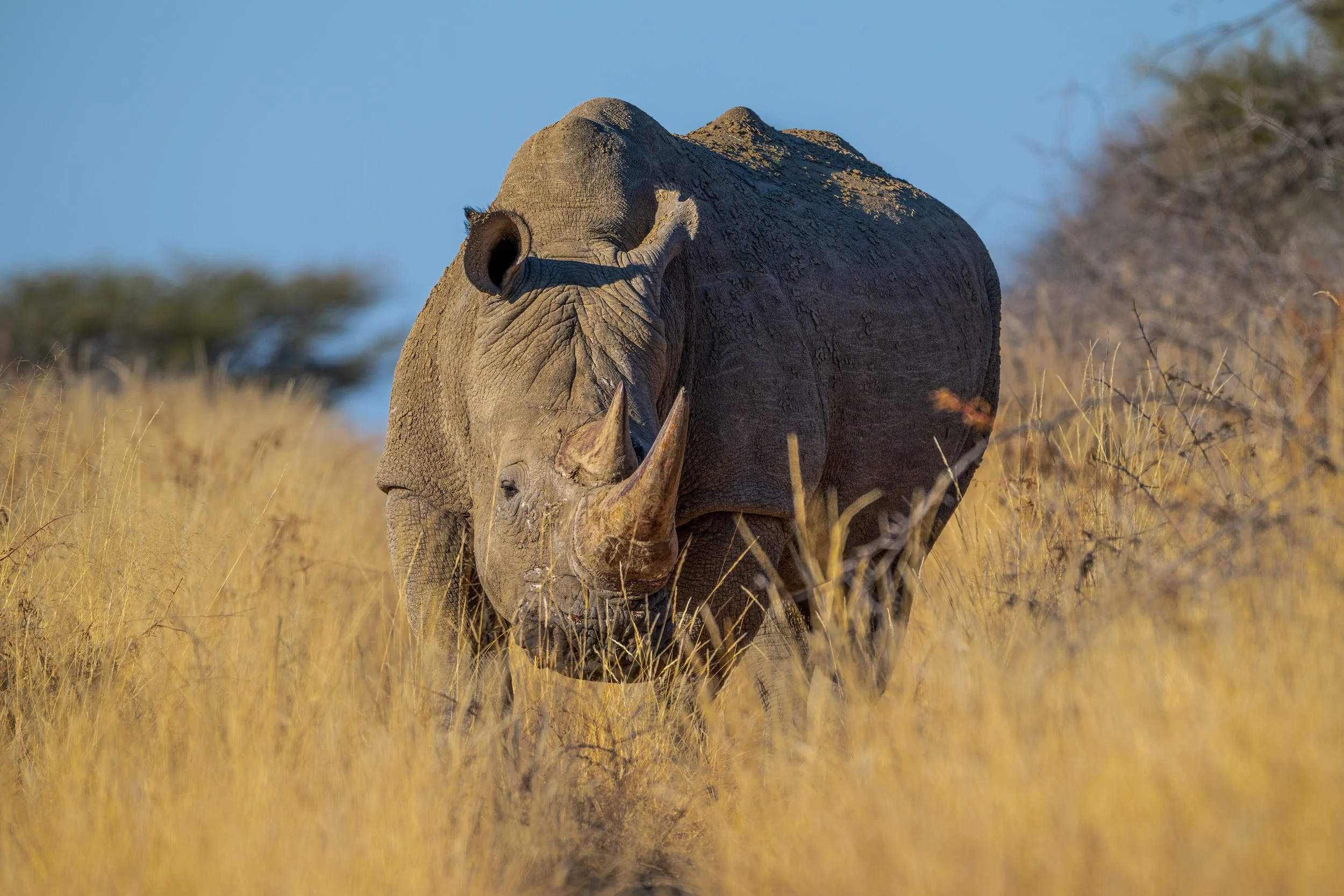
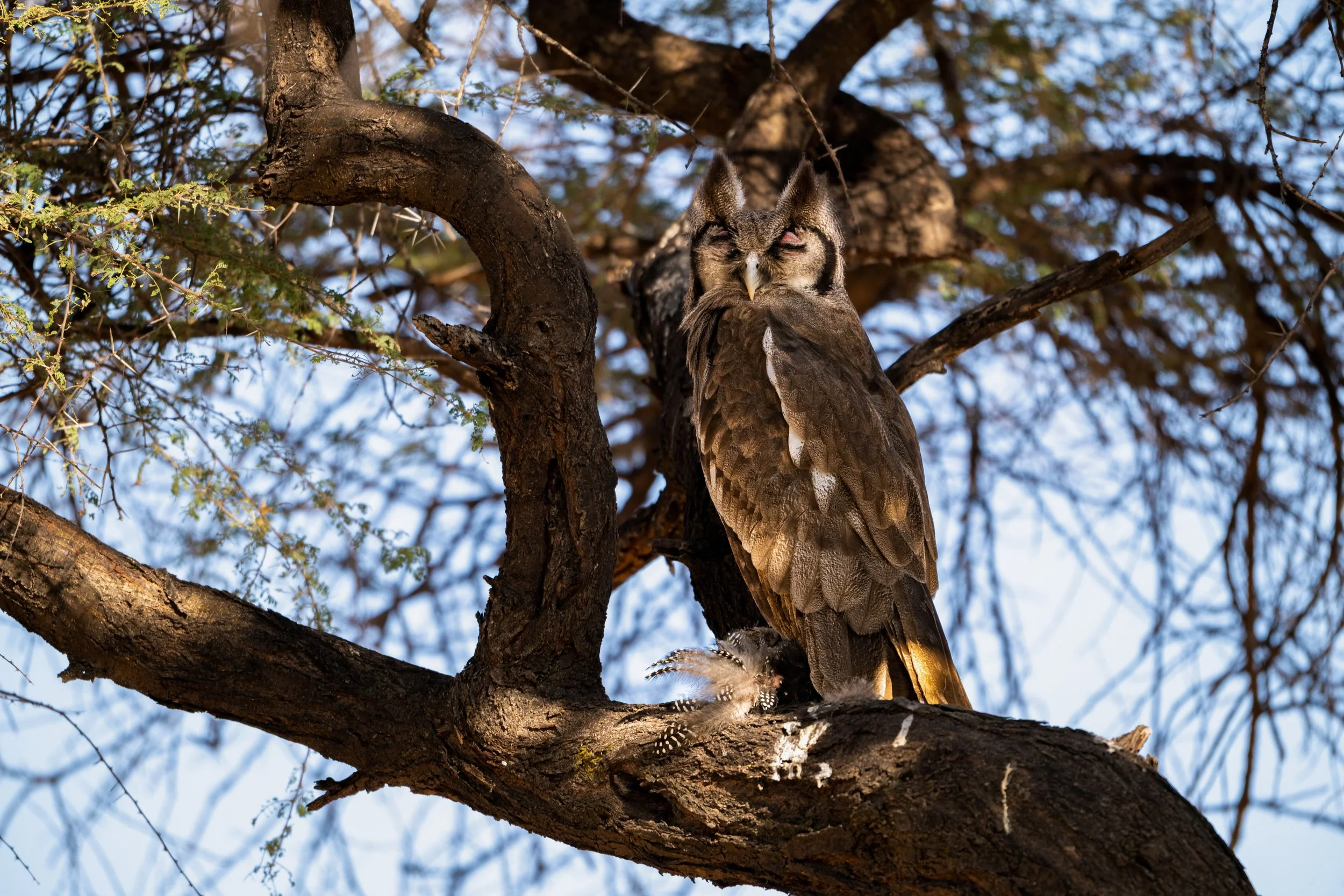
We then moved to the luxury of Onguma Nature Reserve, located just outside the park's eastern boundary. Here, dinner became an event—as we dined on the open deck after sunset next to the waterhole, a group of rhinos emerged from the dark to keep us occupied. Here, we also tracked wild rhinos on foot, went on a thrilling night drive, and sat inside a hidden yet luxurious photography hide. Sitting at eye level, we watched kudus, warthogs, jackals, and many varieties of birds step right up to our lenses, just feet away.
5. Ultimate Luxury & Conservation at Okonjima
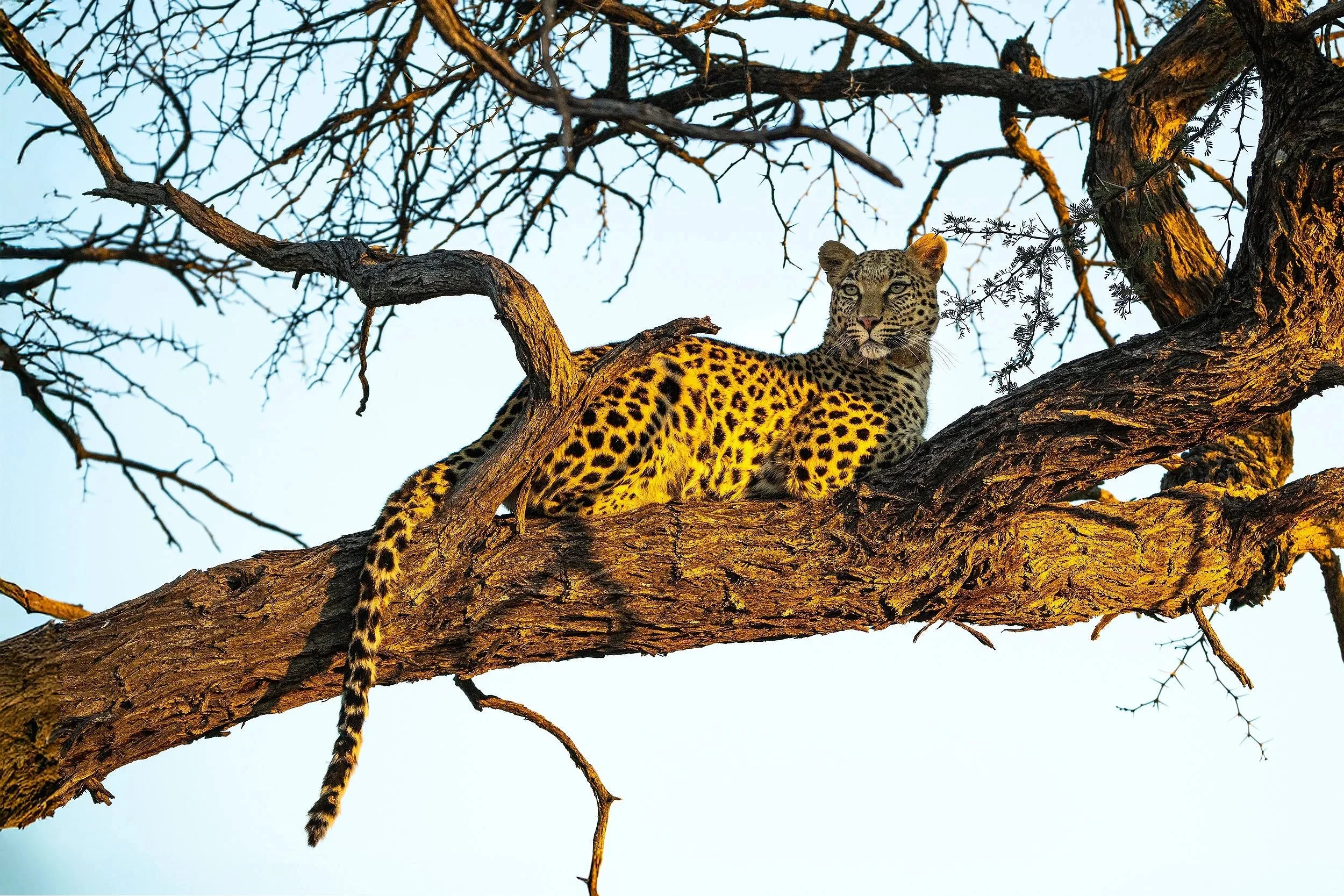
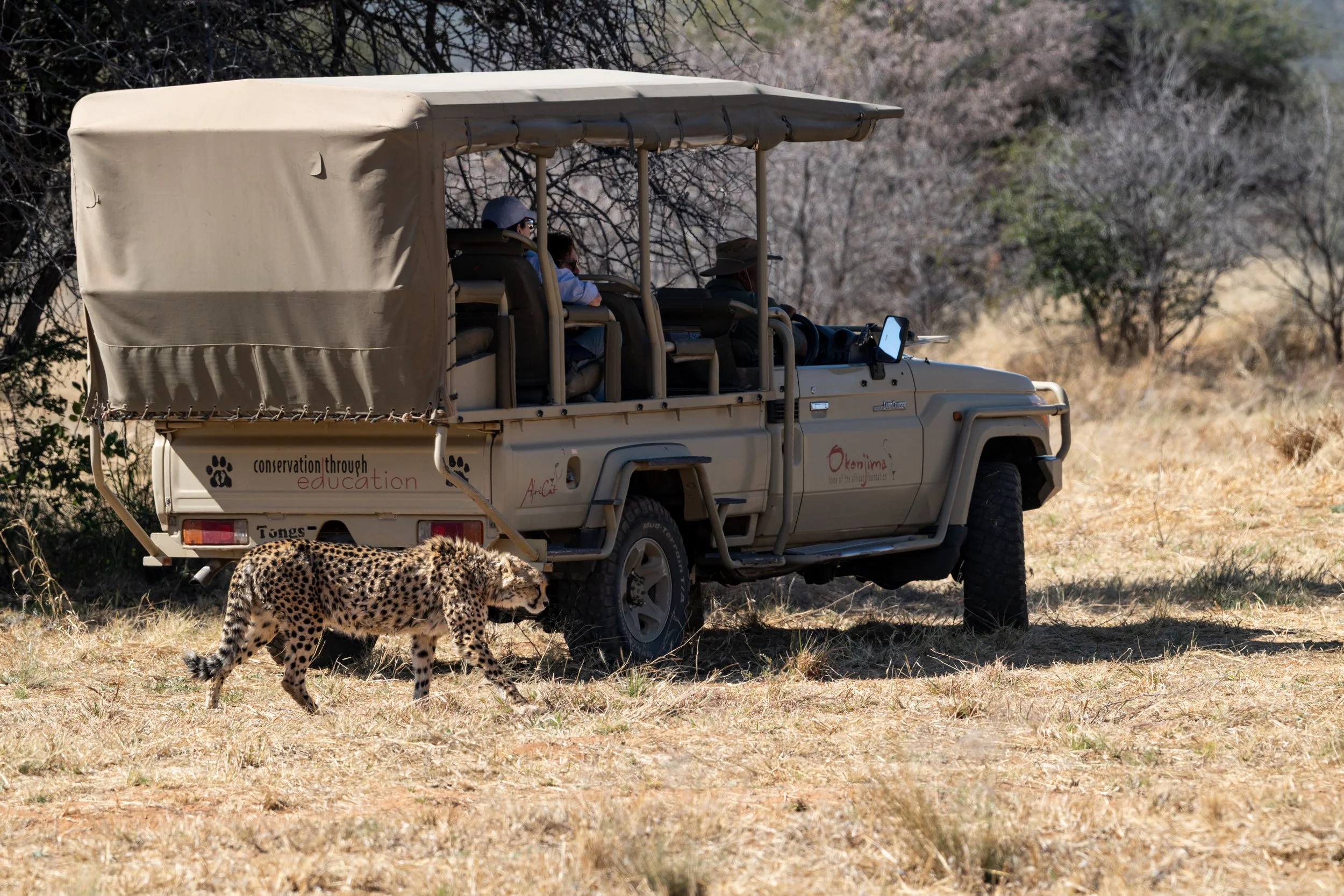
Saved for the grand finale, Okonjima Nature Reserve became my personal favorite stop of the entire trip. Spanning 22,000 hectares, it is home to the AfriCat Foundation, a renowned carnivore conservation program. Sadly, we learned they are in the final phase of rehabilitating their last captive cheetahs; these cats cannot be released back into the wild, and once they pass away, the cheetah center will close down. Today, the top predators ruling the reserve are leopards, and we were incredibly fortunate to spot quite a few of them within a single day. Tracking these magnificent big cats through the bush was deeply meaningful.
We went on two incredible safari drives around the conservancy. After each drive, we were treated to a beautiful desert sunset accompanied by relaxing drinks out in the wild—honestly, what a spectacular way to live your life!
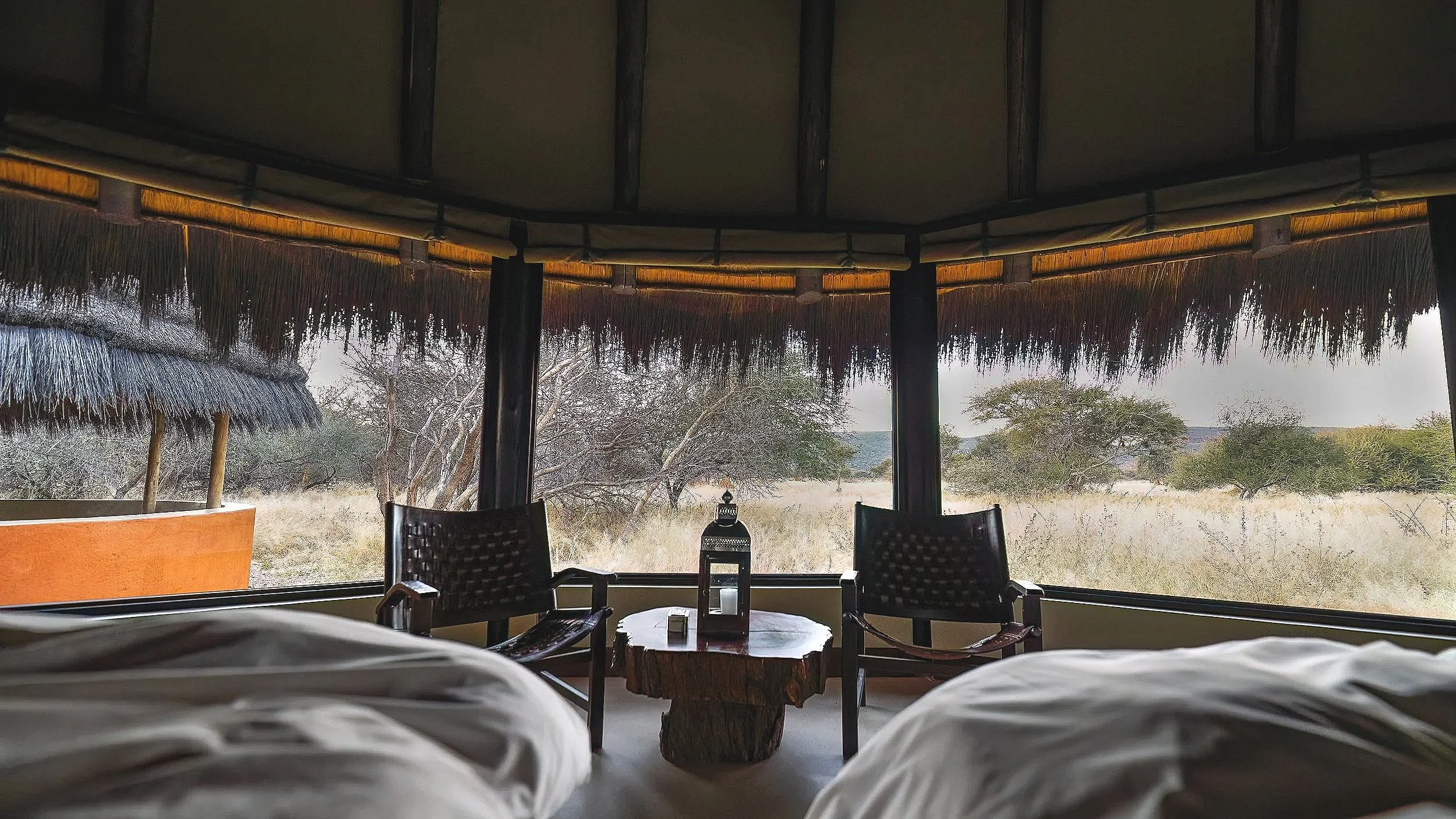
The accommodation here was the definition of ultimate luxury. Our villa featured a massive bedroom paired with a separate living room hut. Designed with large windows and set in the middle of the open grassland, it felt completely immersive. We had our own private waterhole just outside. As I lay on the bed watching the world go by, wild antelopes strolled past the compound, and colorful birds—including a curious hornbill—came right up to knock on our window.
Practical Insights & Travel Tips
To help you plan your own Namibian expedition, here are the essential realities of traveling through this vast country:
:The Reality of Scale & Dust: Namibia is massive and arid. We drove more than 4,000 kilometers in 16 days. Because it is a desert, the roads get incredibly dusty. A robust 4x4 vehicle is an absolute necessity. We traveled in a Toyota 4x4 with a pop-up open top, which was perfect for unobstructed viewing and photography when inside the national parks.
The Photographer's Gear: While a normal camera is perfectly fine for landscapes throughout the trip, capturing wildlife is a different story. For those close-up shots, a long lens of minimum 300mm is highly recommended. Also, leave the tripod packed away during game drives—it is simply not practical or necessary inside a moving safari car.
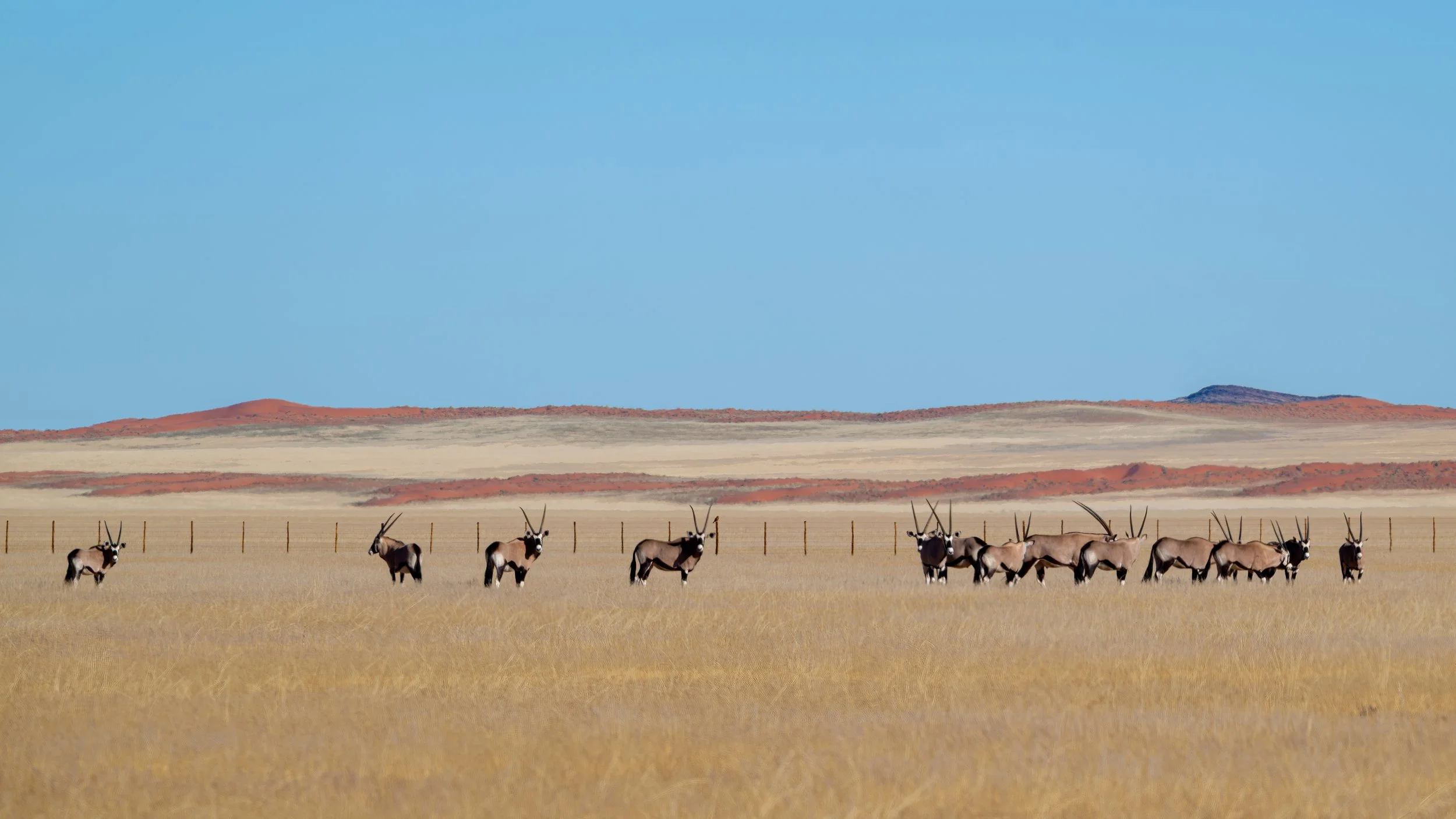
.A Taste for Game Meat: Because of the remote desert environment, game meat is a staple of the culinary experience at almost every safari lodge. Throughout our journey, we were served a wide variety of local meats, including Oryx, Kudu, Wildebeest, and even Giraffe.
Anti-Poaching Realities: While tracking rhinos, we encountered a bittersweet reality: most of their horns had been deliberately cut off. This necessary, proactive conservation measure is widely used across Namibia to protect these magnificent animals from poachers.