
Sanjianyuan 三江源(Yushu 玉树) - Echoes from Wild
English ∣ 华文版
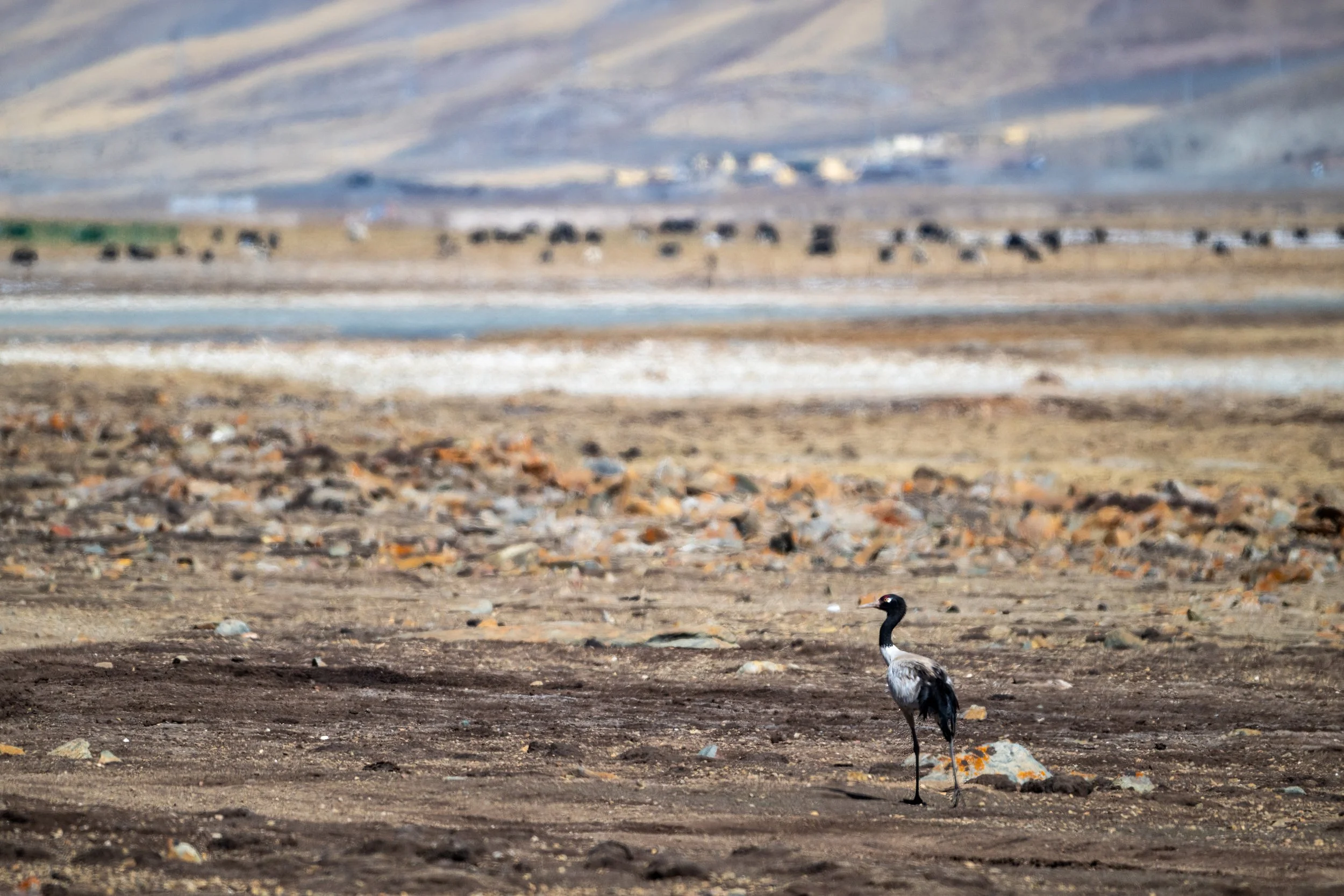
Reader's Note: Beyond the narrative and imagery below, I have compiled a practical guide featuring essential field notes, high-altitude logistics, and birding highlights at the very end of this post to assist with your own planning.
“Listen—” Renqing suddenly stopped and lowered his voice. “Alarm call from the blue sheep .”
I froze. The wind swept through the valley, numbing my ears. In front of me lay nothing but gray-brown mountains, scree slopes, and the barren vastness of the plateau. I could hear nothing at all. Then, in the very next second, he pointed towards a distant ridge.
“Snow leopard!”
The air seemed to freeze. The two Tibetan wildlife spotters immediately lowered themselves, moving with the practiced precision of people who had done this countless times before. Tripods snapped open. Telephoto lenses swung toward the mountainside.
I barely had time to react. Turning around, I shouted to my travel companion, who was still standing behind us looking completely bewildered.
“Quick! Come over here!”
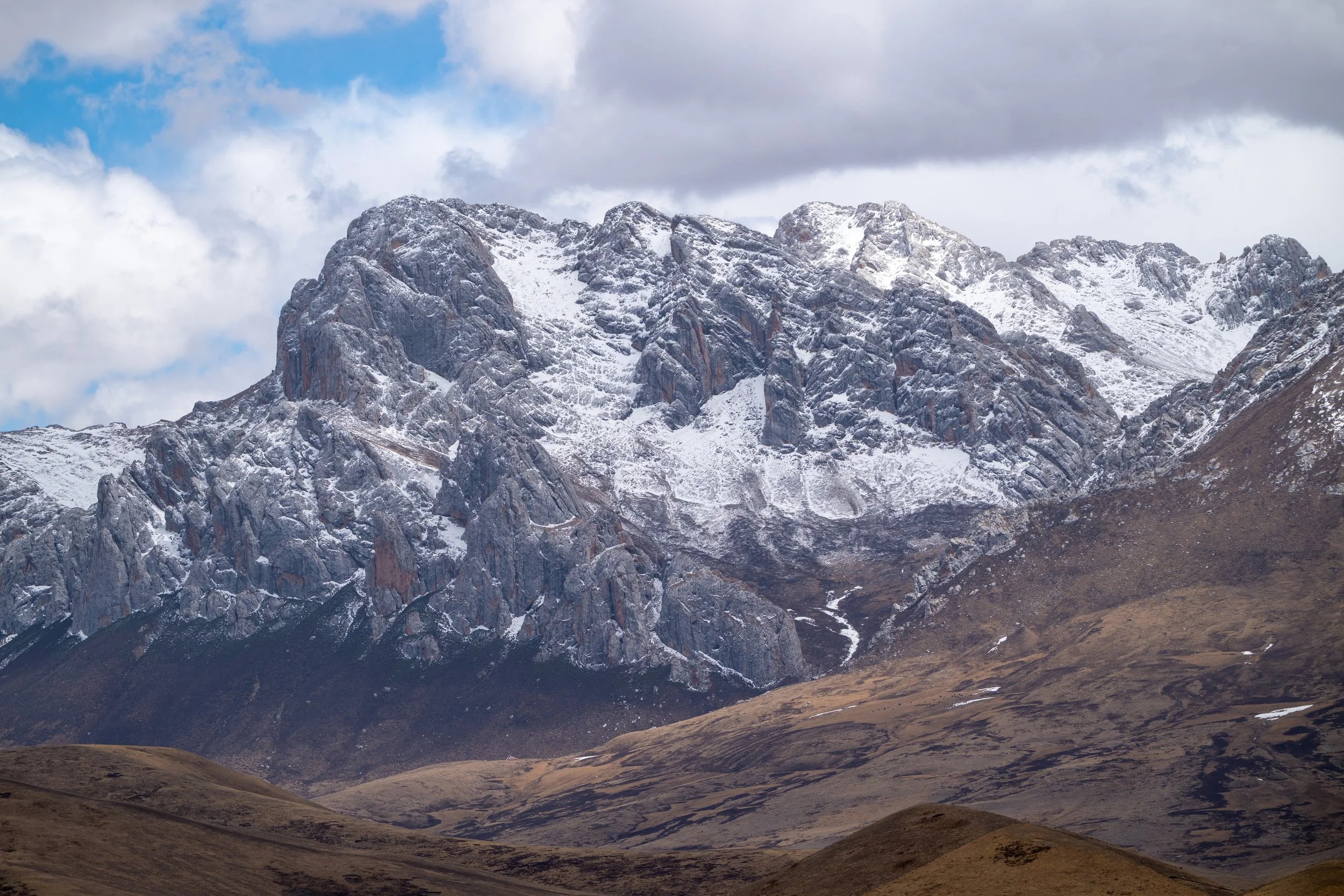
Yet I still couldn't see anything. The entire mountainside before me was a sea of gray-white rocks and exposed stone. It was late April; early summer had only just reached the plateau. Sparse shrubs clung to the barren slopes, their colours blending seamlessly with the surrounding rock.
“There.” One of the spotter pointed again. I followed his finger.
Nothing.
I squinted and looked again. Still nothing. All I could see were numerous rocks that looked exactly alike.
“Look through the scope.” He stepped aside. I leaned forward and pressed my eye against the view finder.
The moment I did, it felt as though an electric current shot through my body.
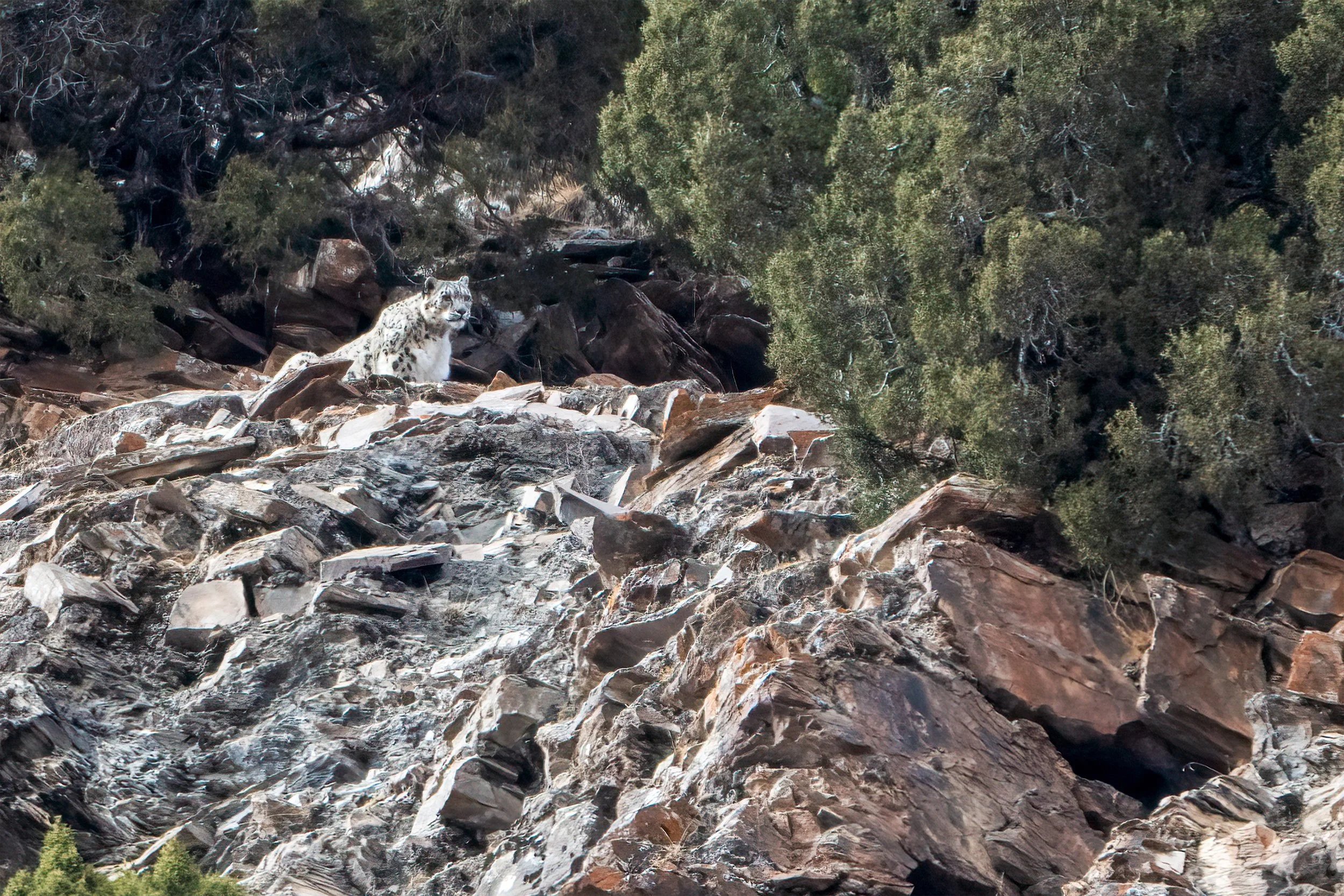
--A snow leopard. It was right there. Sitting quietly among the rocks. Had nobody pointed it out to me, I might never have found it. For a moment, I nearly forgot to breathe. Its coat blended perfectly into the mountainside. Gray-white fur merged seamlessly with the textures of the rock, as if it were simply another part of the landscape. Only its eyes transformed it from stone back into a living creature.
It wasn't looking at us. Instead, it gazed silently across its wilderness, seemingly aware of us standing below yet utterly indifferent to our presence.
Yet in my mind, only one thought remained:
I am really looking at a wild snow leopard.
Many years ago, I watched a documentary about snow leopards. In it, a wildlife photographer waited through the brutal Himalayan winter in search of the elusive cat. Snow accumulated on his hat, shoulders, and beard while he remained motionless. The world portrayed in that film was cold, desolate, and impossibly distant, and encountering one felt more like luck than certainty. From that moment onward, seeing a snow leopard in the wild became a dream I quietly carried for years.
What finally inspired me to go was the Chinese television drama The Tree of Life (生命树). The Tibetan Plateau portrayed in the series was raw and uncompromising. There were no romantic filters—only endless scree-covered mountains, barren river valleys, and lonely highways stretching into the distance. Harsh and desolate. Yet deeply alluring.
At the end of April this year, I finally packed my telephoto lens and headed for Sanjiangyuan in Yushu, Qinghai, hoping to fulfill a dream that had remained dormant for years. I flew from Singapore to Chengdu, then onward to Yushu. The real challenge began the moment the plane landed. Yushu Batang Airport sits at nearly 3,800 meters above sea level. That very night I began experiencing mild altitude sickness.
For the next several days, I woke almost every morning with a lingering headache.
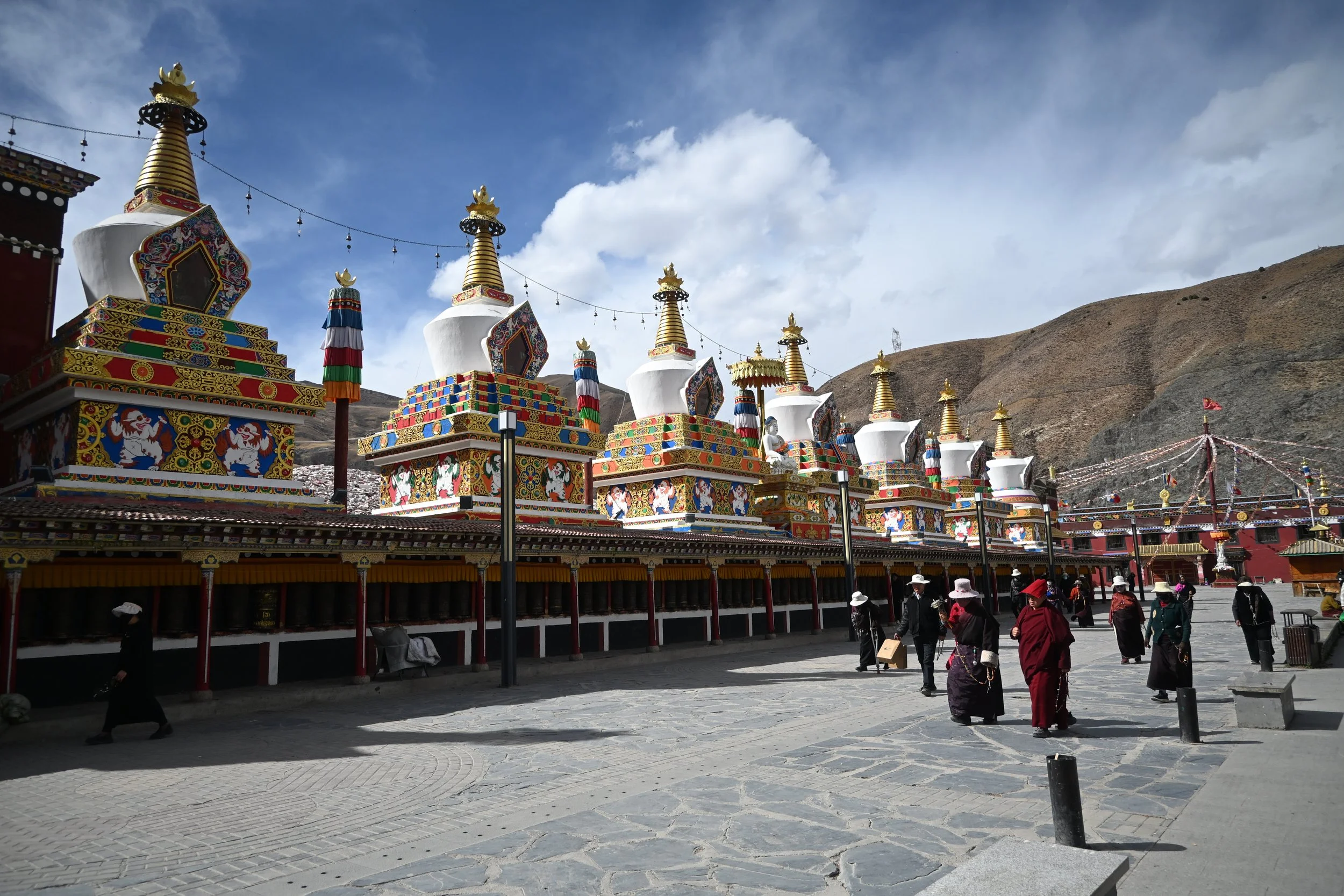
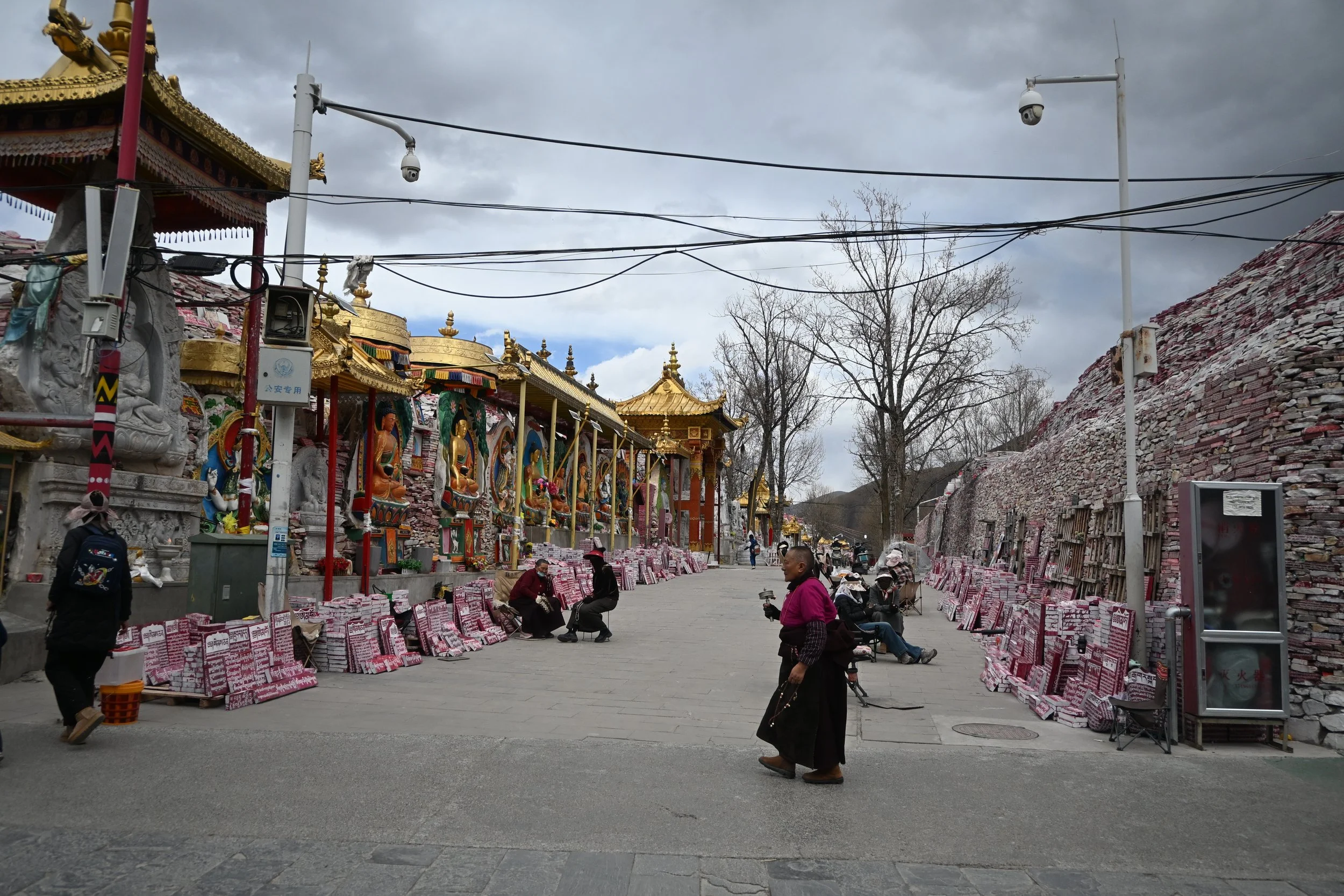
On my first day, I could do little more than stand by the hotel window and gaze toward Jyekundo Monastery (结古寺) the hillside. The fatigue from altitude sickness left me without the energy to properly visit this Tibetan Buddhist monastery overlooking the town.
The following day, feeling slightly better, we visited the Giana Mani Stone Wall (嘉那嘛呢石经墙) that stretches a few kms; the wall is covered with carved Buddhist scriptures and sacred images. Pilgrims moved slowly alongside it, while the sound of prayer mingled with the wind.
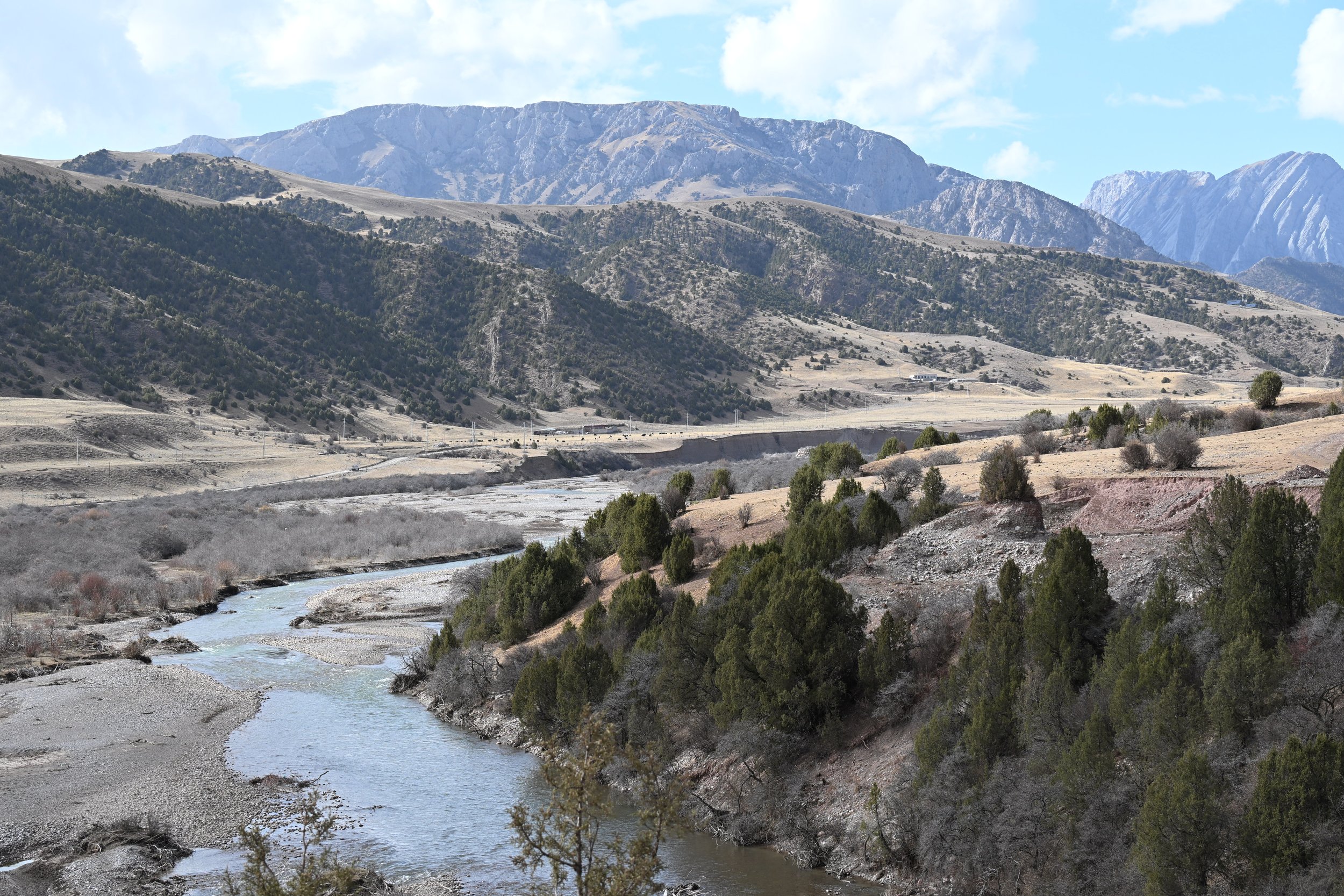
Yushu lies in the heart of the Tibetan Plateau and forms part of the source region of the Yangtze, Yellow, and Lancang rivers, earning it the nickname “China's Water Tower.”
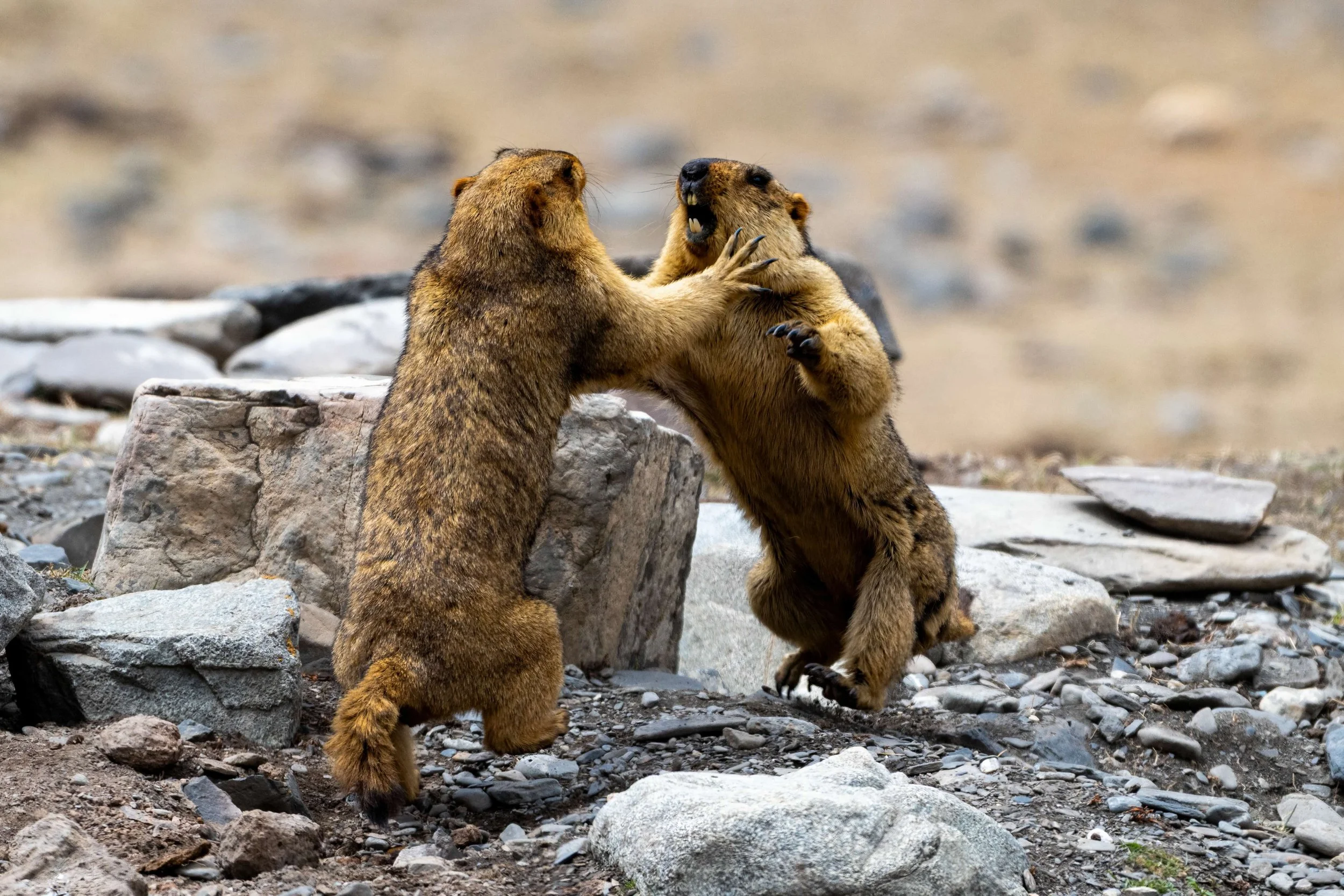
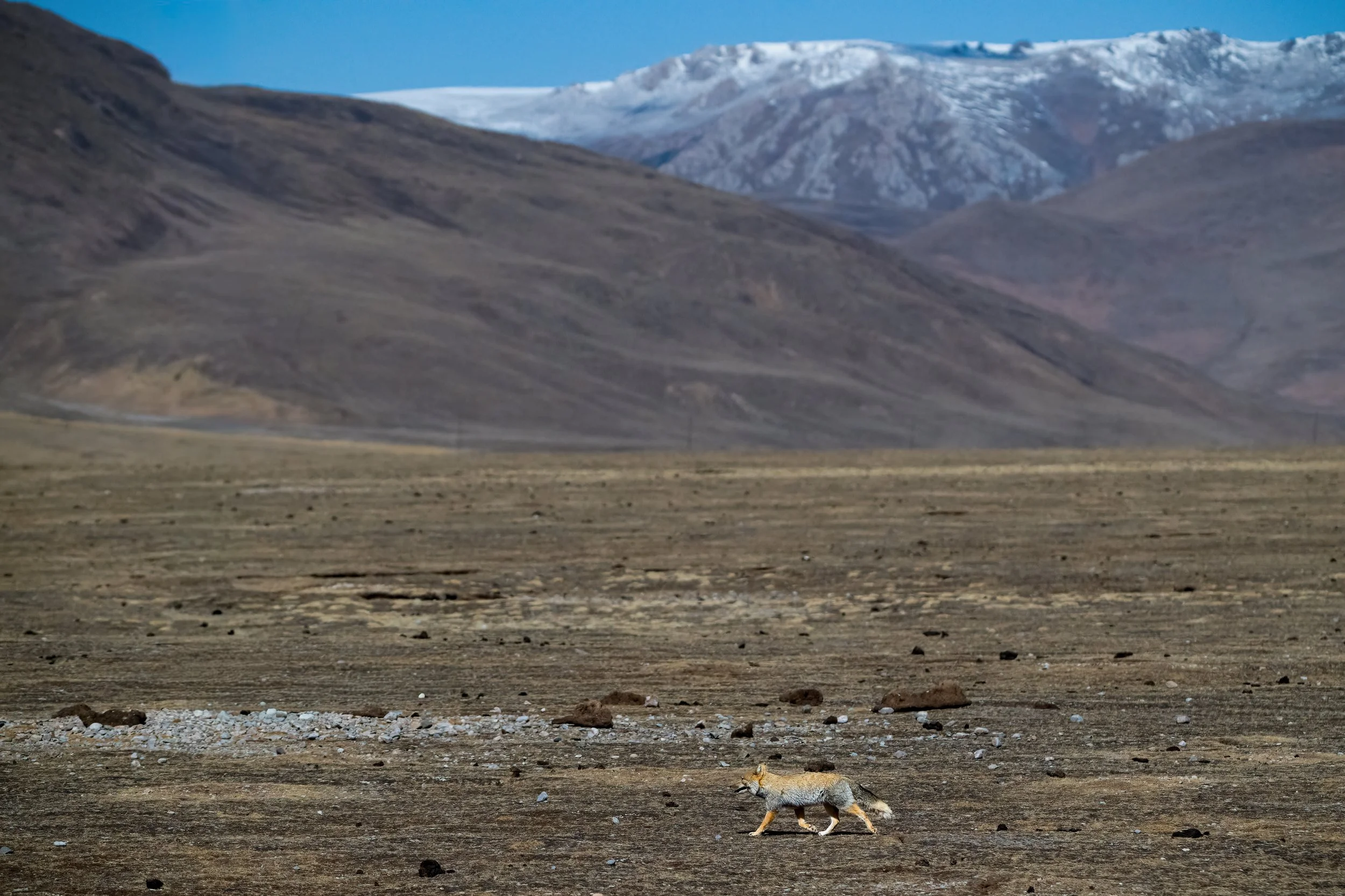
Though it appears barren at first glance, the plateau supports remarkable biodiversity and serves as an important refuge for snow leopards, Tibetan foxes, Eurasian lynx, Pallas's cats, white-lipped deer, and many other species.
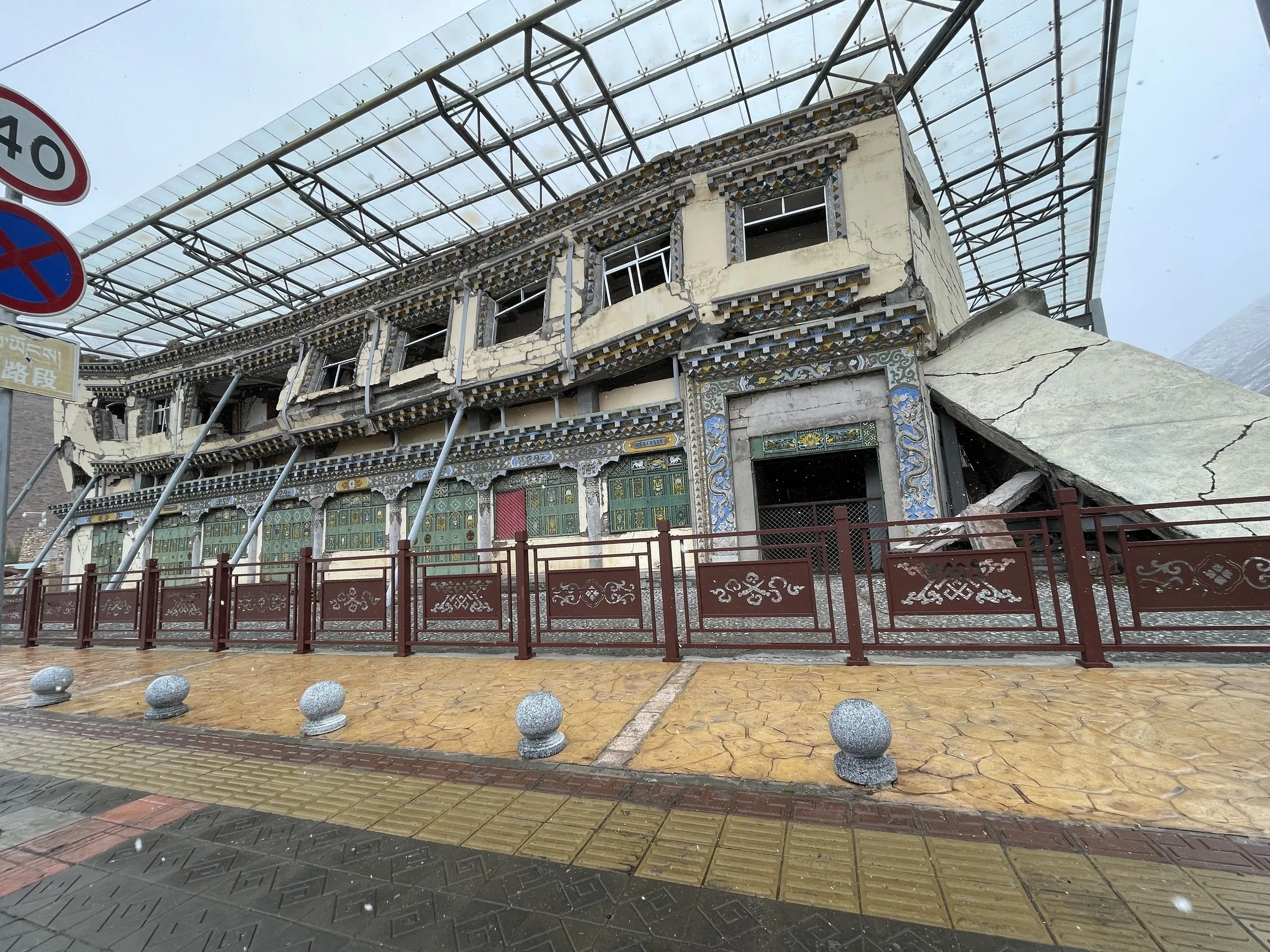
Following the devastating Yushu earthquake in 2010, much of the town was rebuilt.
Its wide streets, sparse tourist presence, and snow-covered mountains on the horizon make it feel like a frontier settlement at the edge of the world.
On the day we set out for Haxiu (哈秀) village, we stopped to purchase supplies for the next three days, fruit. Eggs, vegetables, potatoes, drinks and snacks. Everything had to be bought in one trip because we would be staying at a wildlife conservation station deep in the mountains.
At lunch, Renqing suddenly received a message. The previous night, a snow leopard had attacked a villager's young yak.
“It may come back to feed on the carcass.”
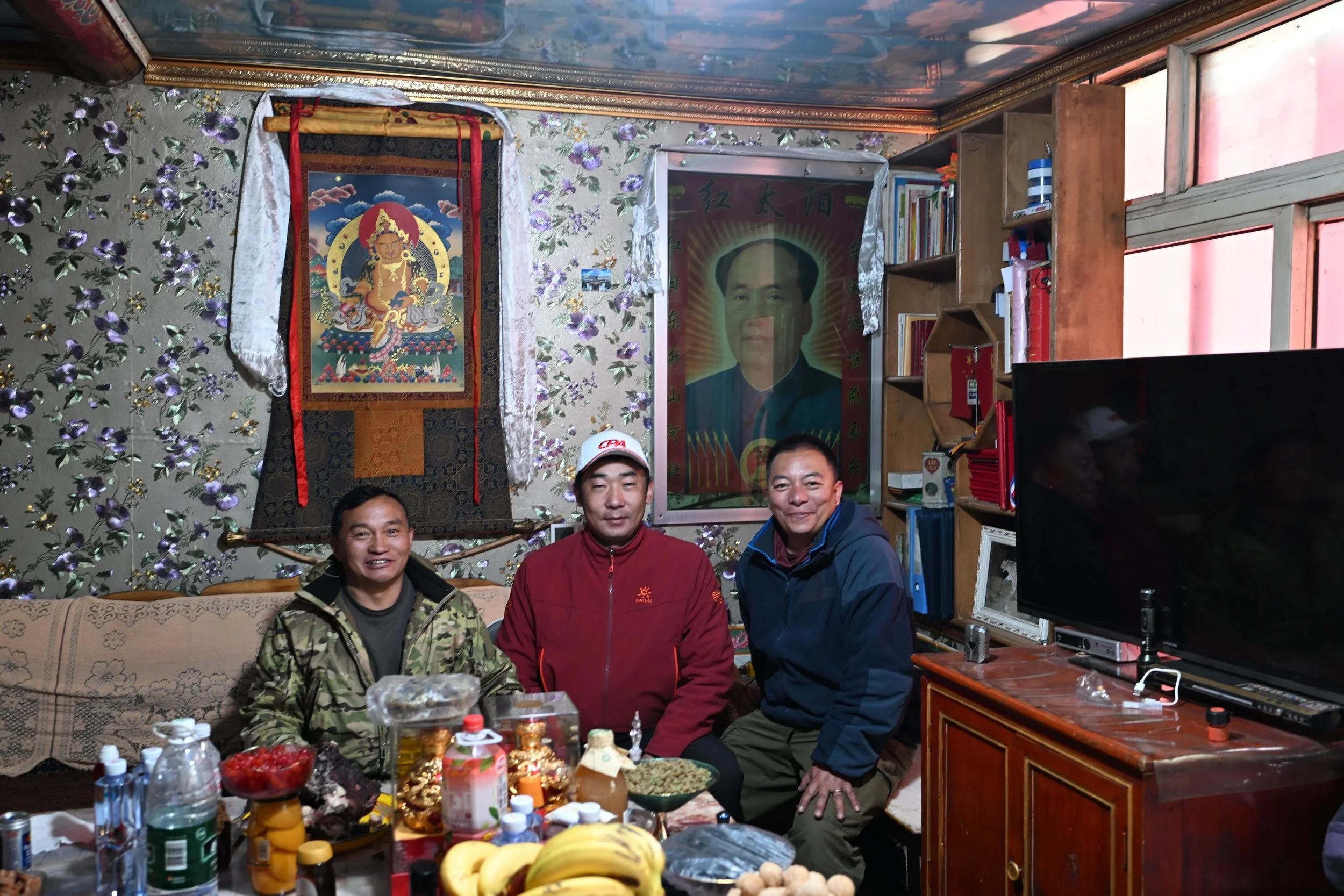
The mood inside the vehicle changed instantly. We hurried toward Haxiu Village. At around 3:30 p.m., we arrived at a Tibetan herder's home. Waiting for us was an unusual team: my guide Renqing, two Tibetan wildlife spotters, a female yak herder, her three-year-old son, a dog, and the village chief—whom everyone called “Big Brother.”
For the next three nights, we stayed at the village wildlife conservation base operated by Big Brother. The accommodation was simple but equipped with heaters and humidifiers—enough to cope with the dry, cold nights of the plateau. It also housed the village's only recently upgraded flush toilet. Looking at it, I was glad that I don’t have to use the traditional pit latrines still common in the area.
As for showers—forget about it. At over 4,000 meters above sea level, survival takes priority over comfort.
Soon afterward, we began climbing the mountain behind the yak herder’s house. Our target elevation: 4,700 meters. For someone who had only just arrived on the plateau, it was torturous. After only a few paces, I found myself gasping for air. Meanwhile, the three-year-old Tibetan boy marched effortlessly at the front. This was, after all, his playground.
One minute I was hiking and the next, I was blocked by jagged rocks and need-sharp bushes, I wasn't sure which way to go. At that moment, the dog that had been walking quietly behind me slowly moved ahead. It turned towards me and then went towards my right, as if saying:
“Follow me.”
And so I did. Even now, it remains one of my most memorable moments in Sanjiangyuan.
After reaching the summit, we set up our equipment and began waiting. While we watched, I gained my first real understanding of the complicated relationship between local people and snow leopards. For generations, herders viewed snow leopards as threats. A single yak can represent a family's most valuable asset.
When a snow leopard or wolf kills livestock, the loss is immediate and deeply personal. To visitors, the snow leopard is a dream species—the legendary Ghost of the Mountains. To herders, it may simply mean one less yak. Finding ways for people and snow leopards to coexist remains one of Sanjiangyuan's greatest conservation challenges.
Today, community-based conservation programs have begun to change that relationship. Wildlife insurance schemes compensate herders whose livestock are killed by snow leopards. To receive compensation, however, they must recover the carcass and preserve identifying evidence, including the limbs and part of the ears. The female herder before us was waiting to process the remains of her lost young yak.
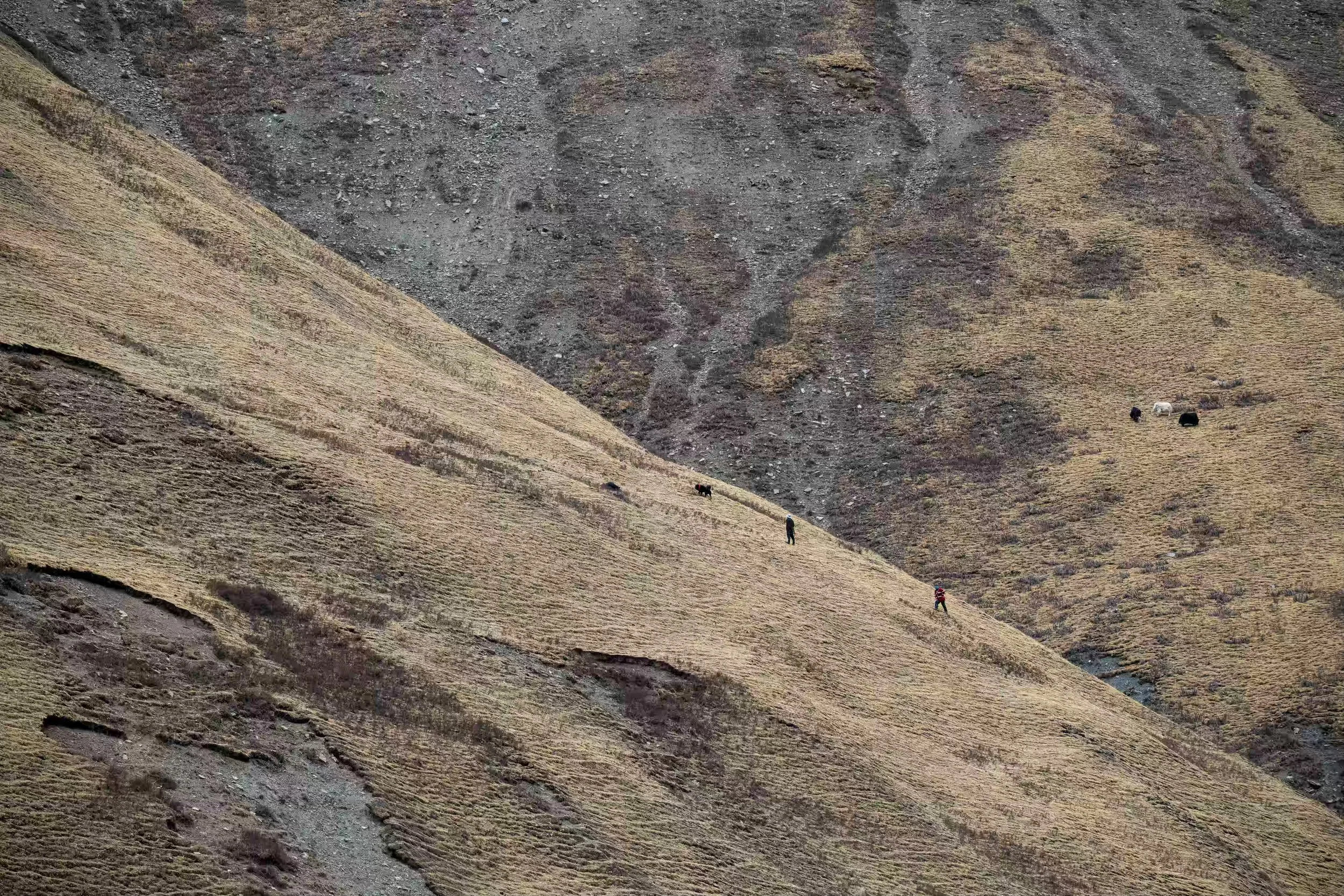
Meanwhile, she still had to search the mountains twice a day for her free-ranging herd. Although drones are now sometimes used to help locate the animals, someone must still cross the slopes in person and bring them home. For city dwellers, such a life is almost unimaginable
While waiting, I observed the three-year-old boy lying on the ground, drinking meltwater that had collected in a pit of dried yak dung. In his hand, he held a lump of dry dung, kneading it like play-doh clay. Yak dung is not merely waste here. It is fuel, warmth, and an essential part of everyday survival.
We waited nearly two hours. The snow leopard never appeared. Eventually, the herder and her husband crossed another mountain to retrieve the carcass. And our first day ended in the cold winds of the plateau.
On the next day, we continued our search.
“If a snow leopard doesn't want you to see it, you'll never find it,” Renqing told me.
Later, I understood exactly what he meant. Even when a snow leopard is already in front of you, you may still fail to see it. Its coat merges perfectly with the mountain. When it remains still, its looks like a piece of rock. When it moves, the complex terrain quickly swallows it from sight.
“Is it because they move too fast?” I asked.
“No,” he replied. “They move so quietly and gently that your eyes simply skip over them.”
That day we followed the cat three separate times. The first time, a herd of blue sheep sounded the alarm almost immediately, ruining its hunting attempt. The leopard slowly moved on. And we just ran after him whenever we spotted it. Eventually it disappeared entirely among the rocks, as though it had never existed.
Yet I still remember its magnificent tail—thick, fluffy, and almost as long as its body. On steep cliffs and narrow ledges, that tail serves as a rudder, allowing the snow leopard to maintain perfect balance in terrain where few other predators can survive.
During our three days in Hashiu Village, we ate every meal at our host's home. All the groceries we bought were stored there, and his wife took charge of preparing the meals.
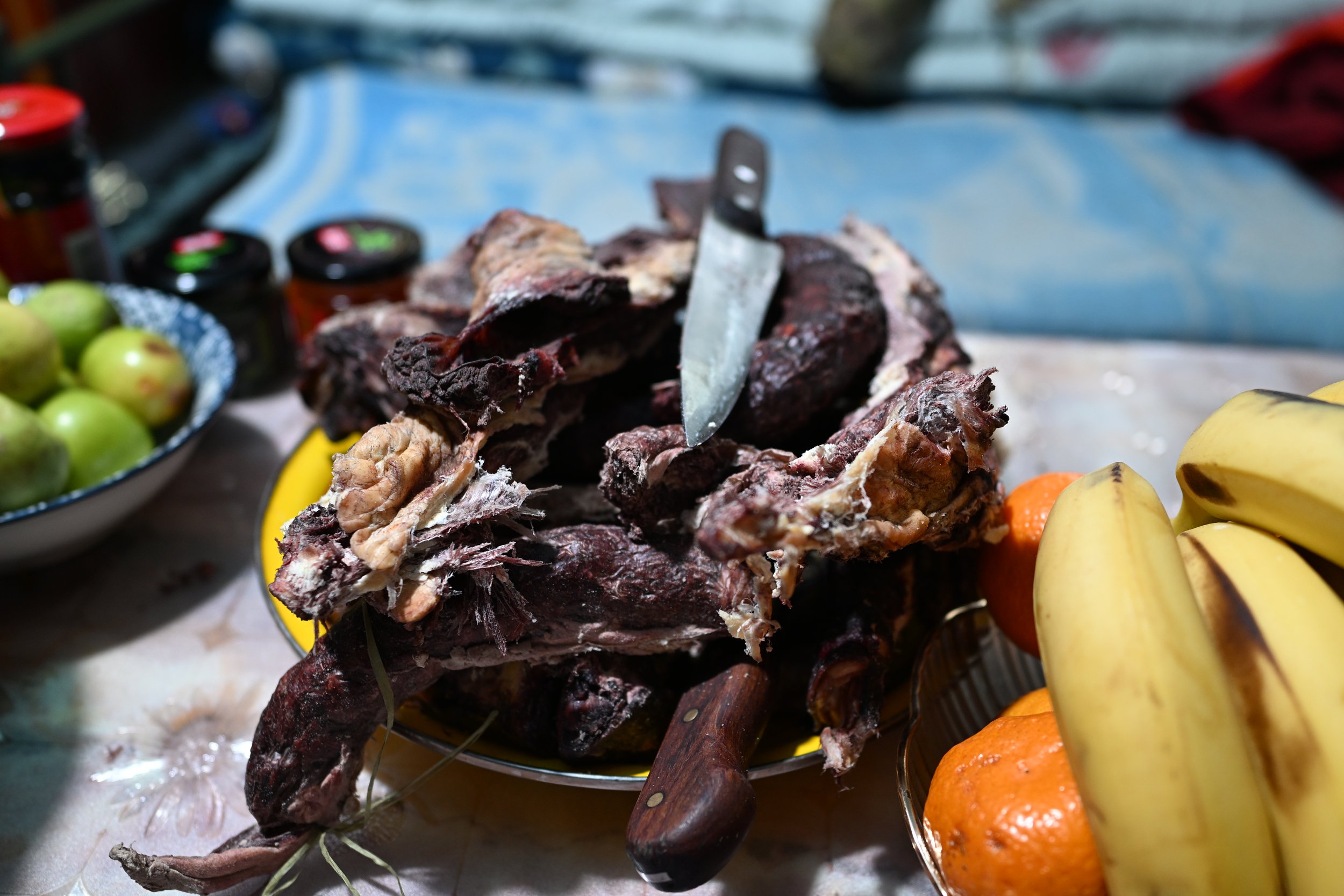
In Tibetan households, a single yak often serves as a family's main source of food for an entire year. The meat is preserved by air-drying, so dried yak beef appeared on the table almost every day. Alongside it were tsampa, steamed buns, potatoes, hand-pulled noodle soup, and an endless supply of hot tea and fresh fruit.
No matter how many times you said, "I've had enough," they would continue adding food to your bowl. Such is the hospitality of the Tibetan Plateau—simple, genuine, and warmly generous.
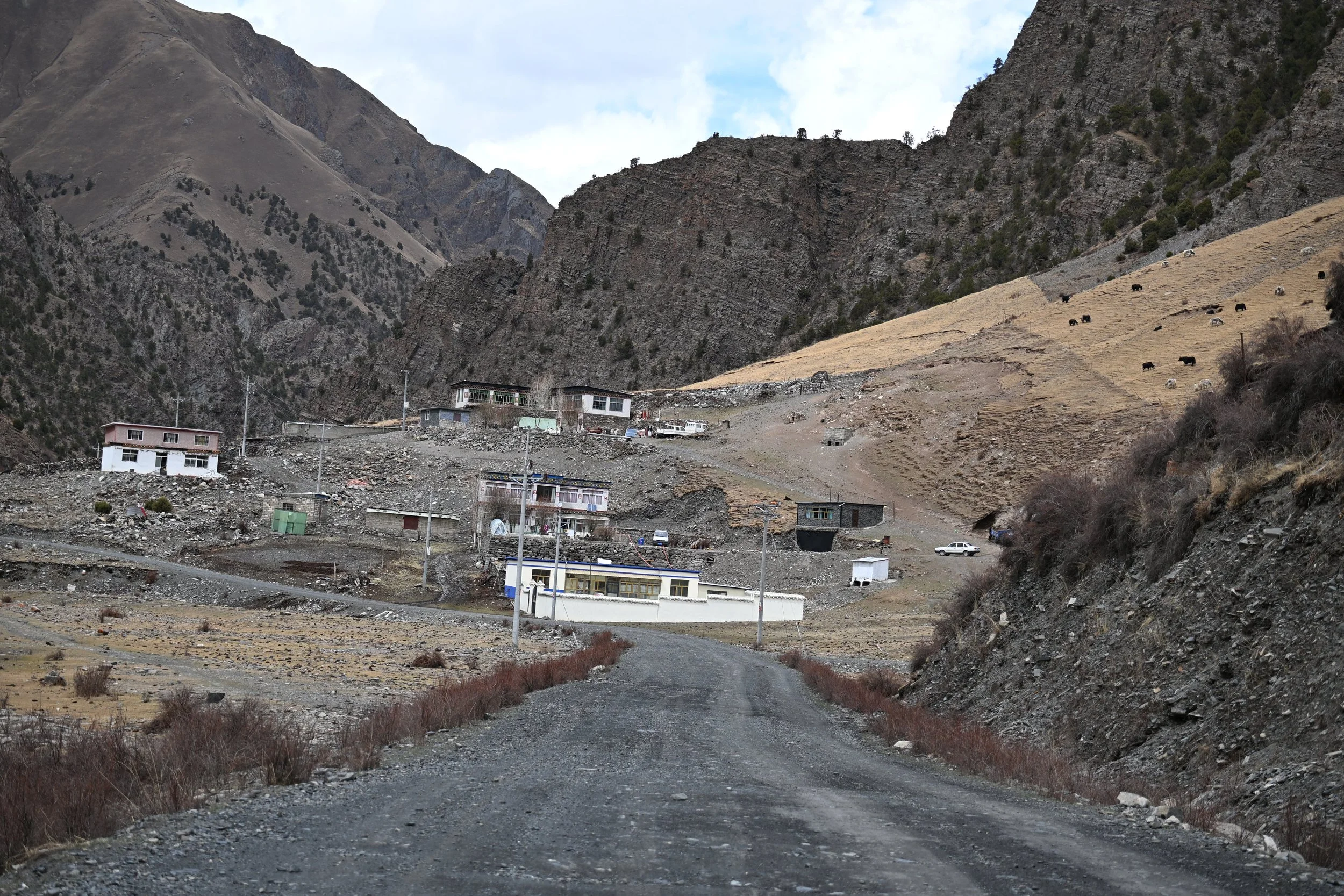
On the morning of our last day before departure, I accidentally left the courtyard gate slightly ajar. When I returned after breakfast, the entire yard was packed with yaks. They stood calmly grazing, while even more crowded outside the gate, seemingly eager to squeeze their way in. Everyone burst out laughing. At that moment, it struck me that on this plateau, humans are not truly the masters of the land.
On the second evening of the trip, our guide approached me with a look of barely concealed excitement.
“A few days ago, someone discovered a Pallas’s cat den. Want to try our luck? It’s a bit far away… but since we’ve already seen a snow leopard, it would be a great idea to look for the hermit of the grasslands as well.”
The next morning, I opened the door and found that the world had completely transformed overnight. A heavy snowfall had arrived without warning, wrapping the mountains in a thick white blanket. The vast brown ridges that had dominated the landscape only a day before had become a dramatic panorama of snow-covered peaks and valleys. Beneath their cloak of white, the mountains radiated a silence that felt both majestic and humbling.
Undeterred, we set off as planned for the Pallas’s cat den. Snowflakes drifted steadily from the sky, and the winter scenery along the way was breathtakingly beautiful, almost unreal. Yet while nature had bestowed this magnificent spectacle upon us, it had also withdrawn the signs of life.
By the time we reached our destination, the snowstorm had intensified. The plateau pikas—normally abundant across the meadows and the primary prey of the Pallas’s cat—had vanished completely from sight. With no prey to be seen, the celebrated hermit of the grasslands was nowhere to be found either.
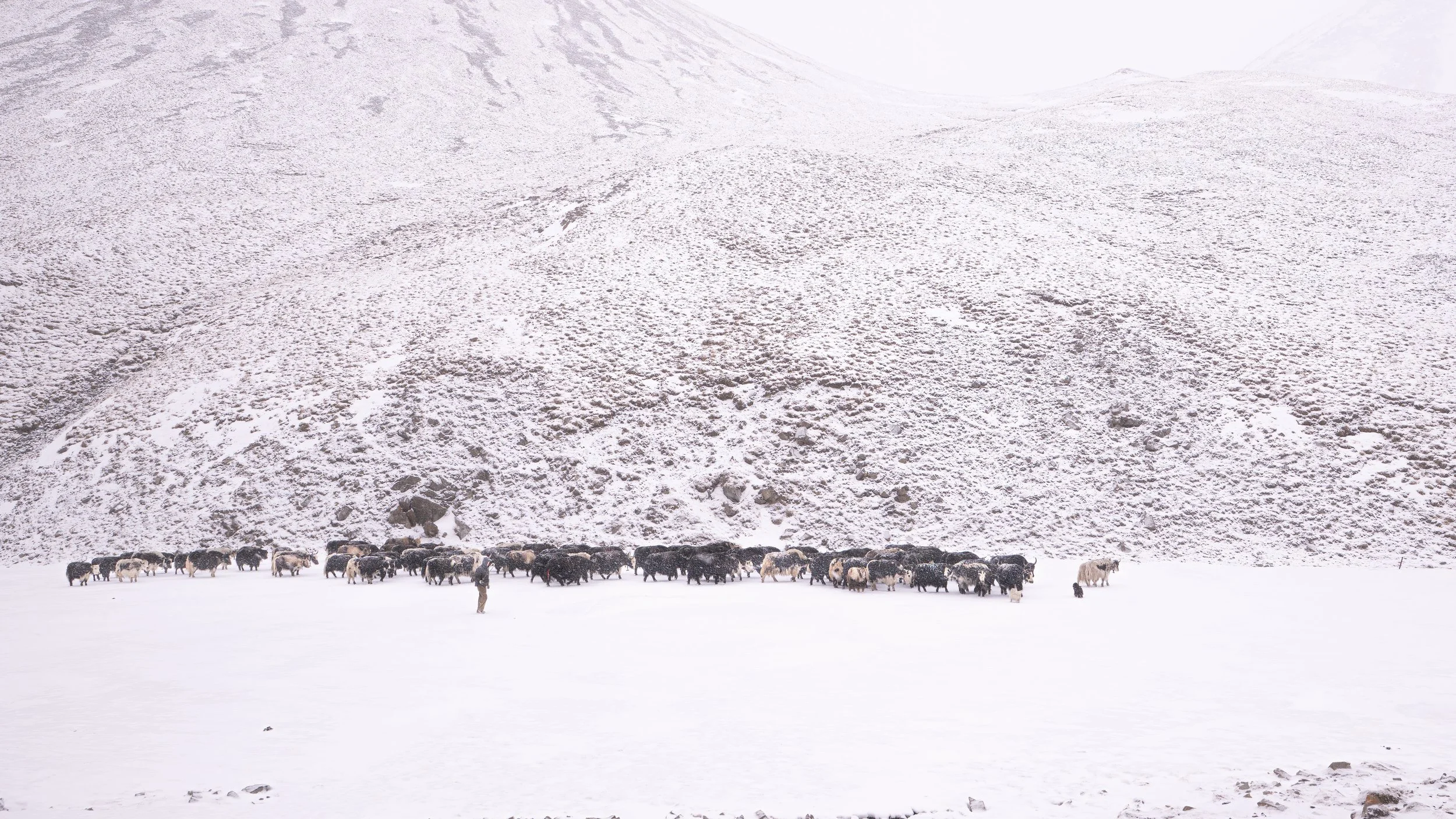
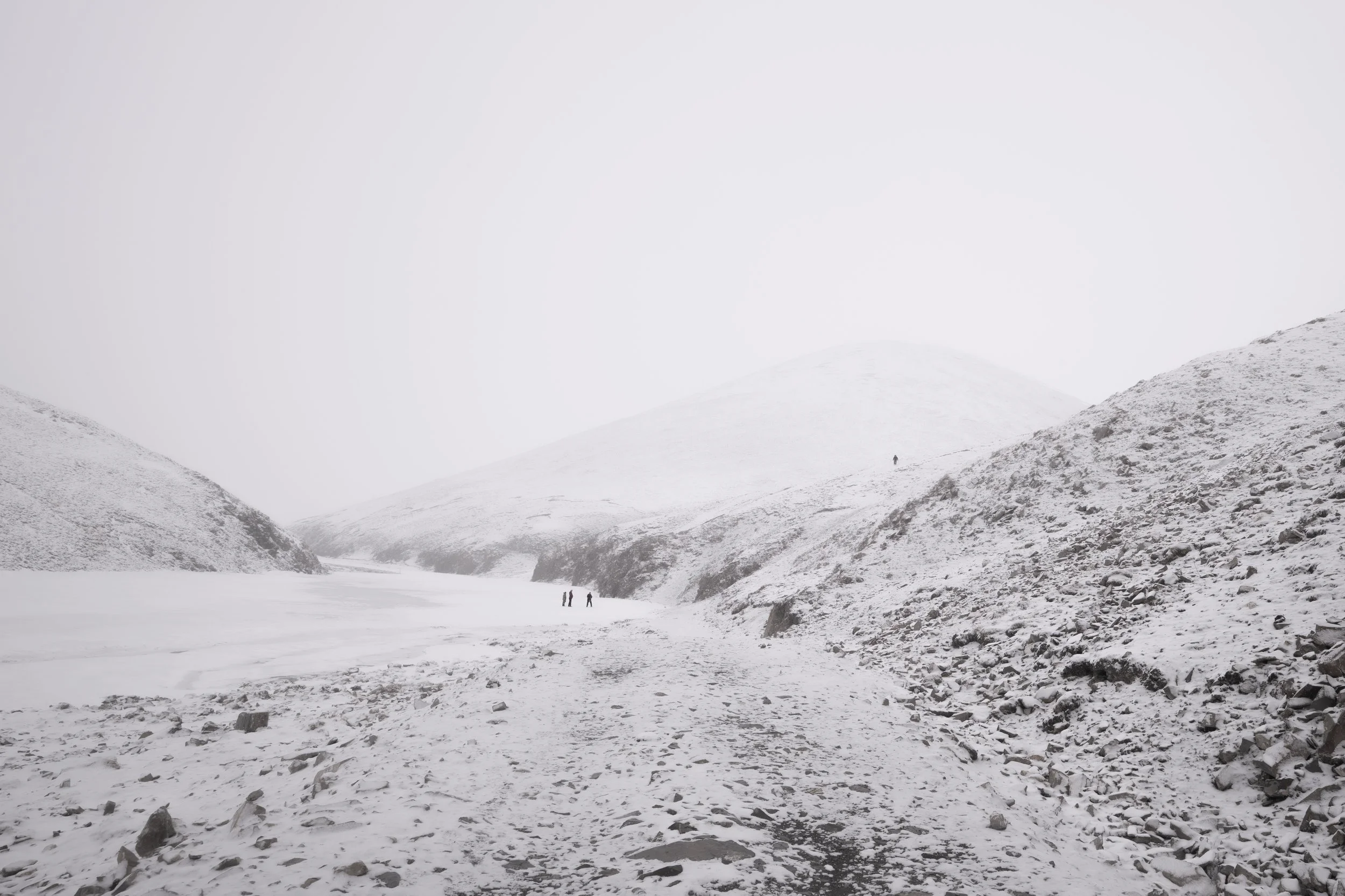
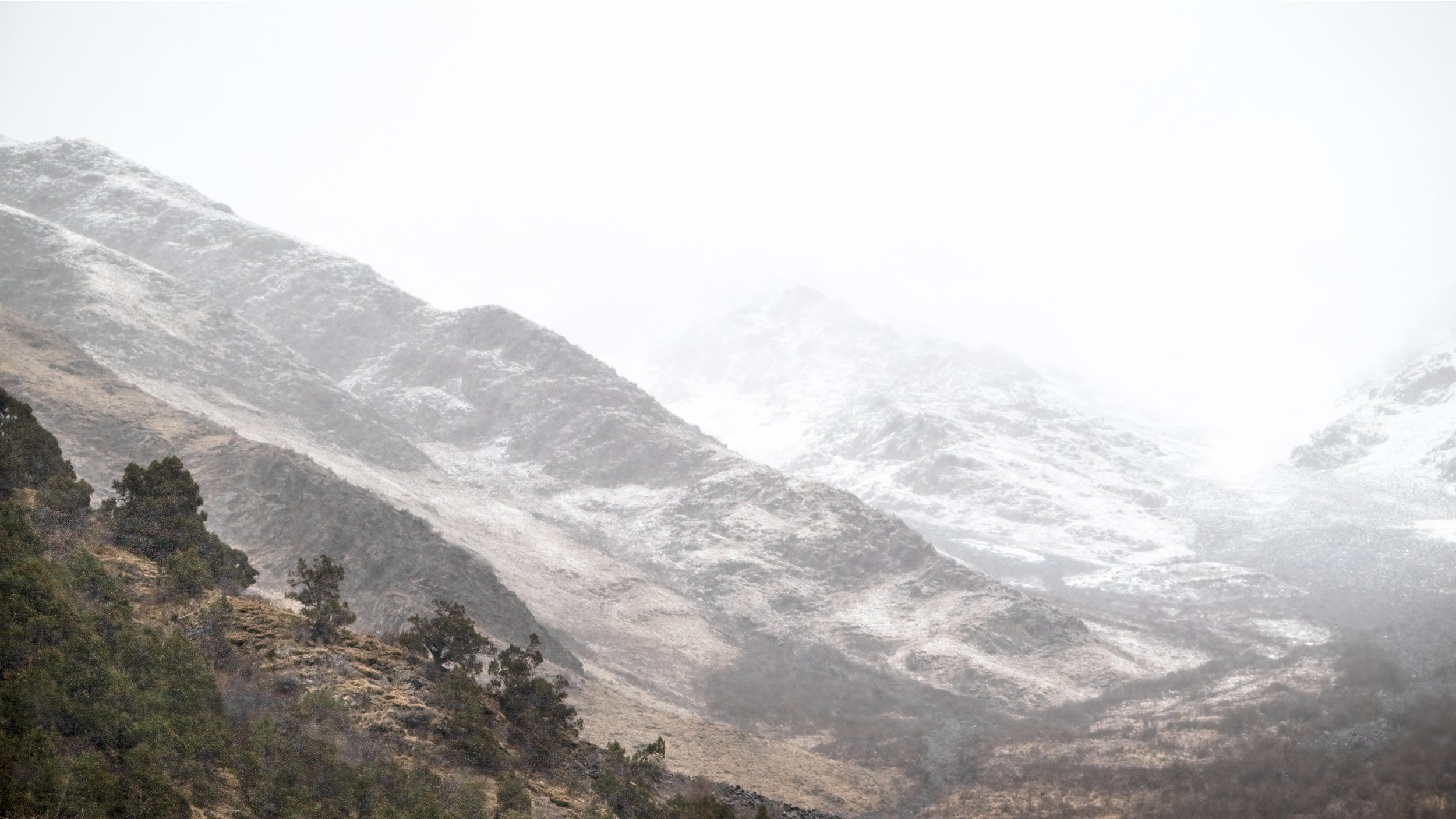
In the quiet disappointment of an unsuccessful wildlife search, it was the traces of human life that proved most moving. Deep in the snow-covered wilderness, local Tibetan herders carried on as they always had. Their yak herds continued their calm, orderly routines, as though the blizzard were nothing more than a minor footnote in the rhythm of daily life.
As we sat in the vehicle, Renqing shared some of the survival wisdom of the plateau. Interestingly, herders here do not use dogs. In the past, herding was a task assigned to the children of the family. As times changed and children left the mountains to attend school, the responsibility gradually shifted to the adults.
As for why they do not use dogs, Renqing explained that yaks are exceptionally alert and possess a strong herd instinct. When confronted with danger, they quickly gather into a defensive circle, standing together against any threat. Dogs, however, resemble wolves too closely in appearance and can never fully earn the trust of the herd.
We waited in the snow for a while, but with the weather showing no signs of improving, we eventually decided to turn back.
On the return journey, we stopped by the Tongtian River. The water was so calm that it was almost silent. It was hard to imagine that this seemingly tranquil river of the high plateau would eventually become the mighty Yangtze River, flowing thousands of kilometres across China.
After leaving the Tongtian River, the weather suddenly cleared. The snow began to melt, and the plateau, which had seemed lifeless only hours before, sprang back into activity.
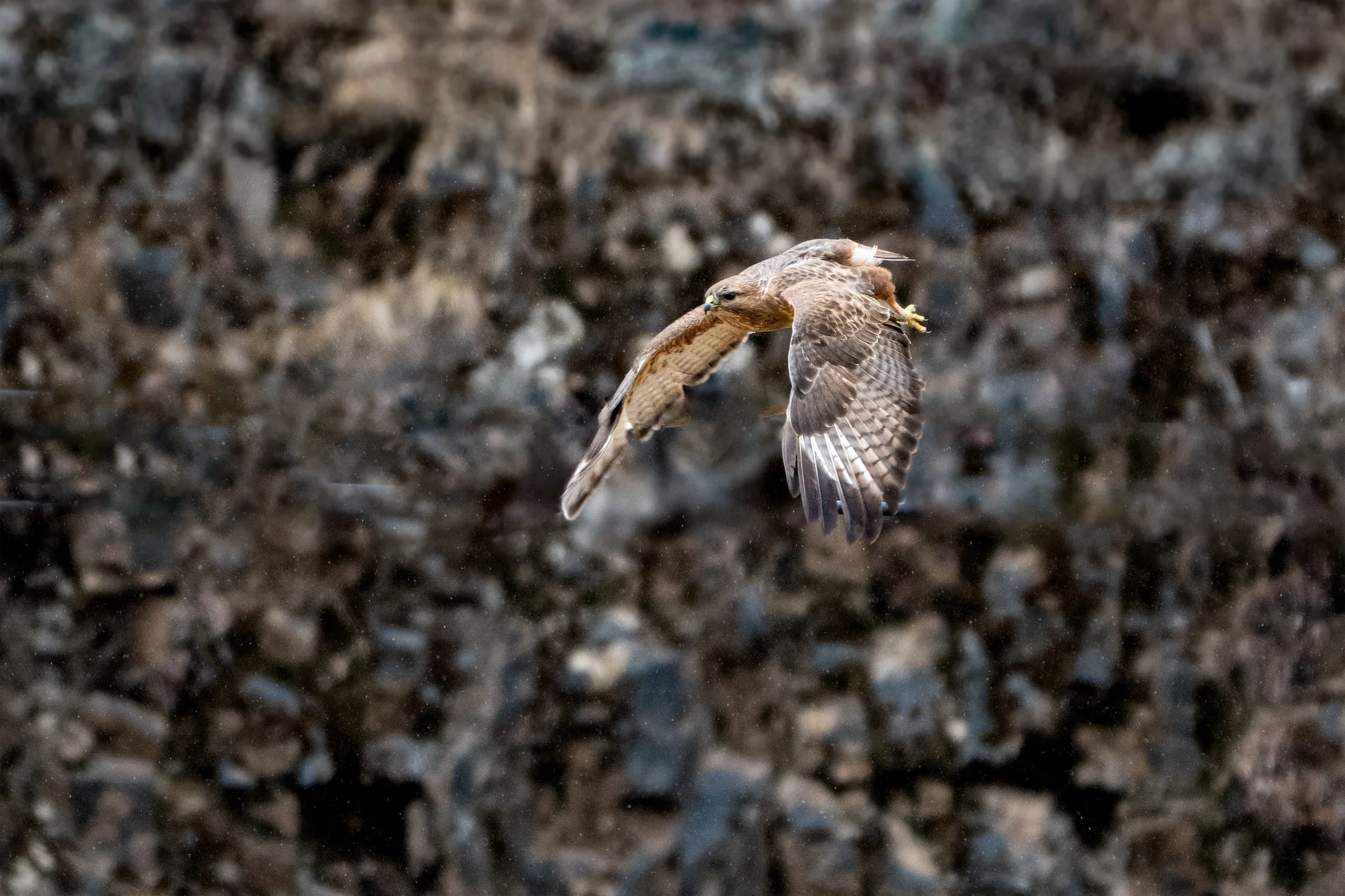
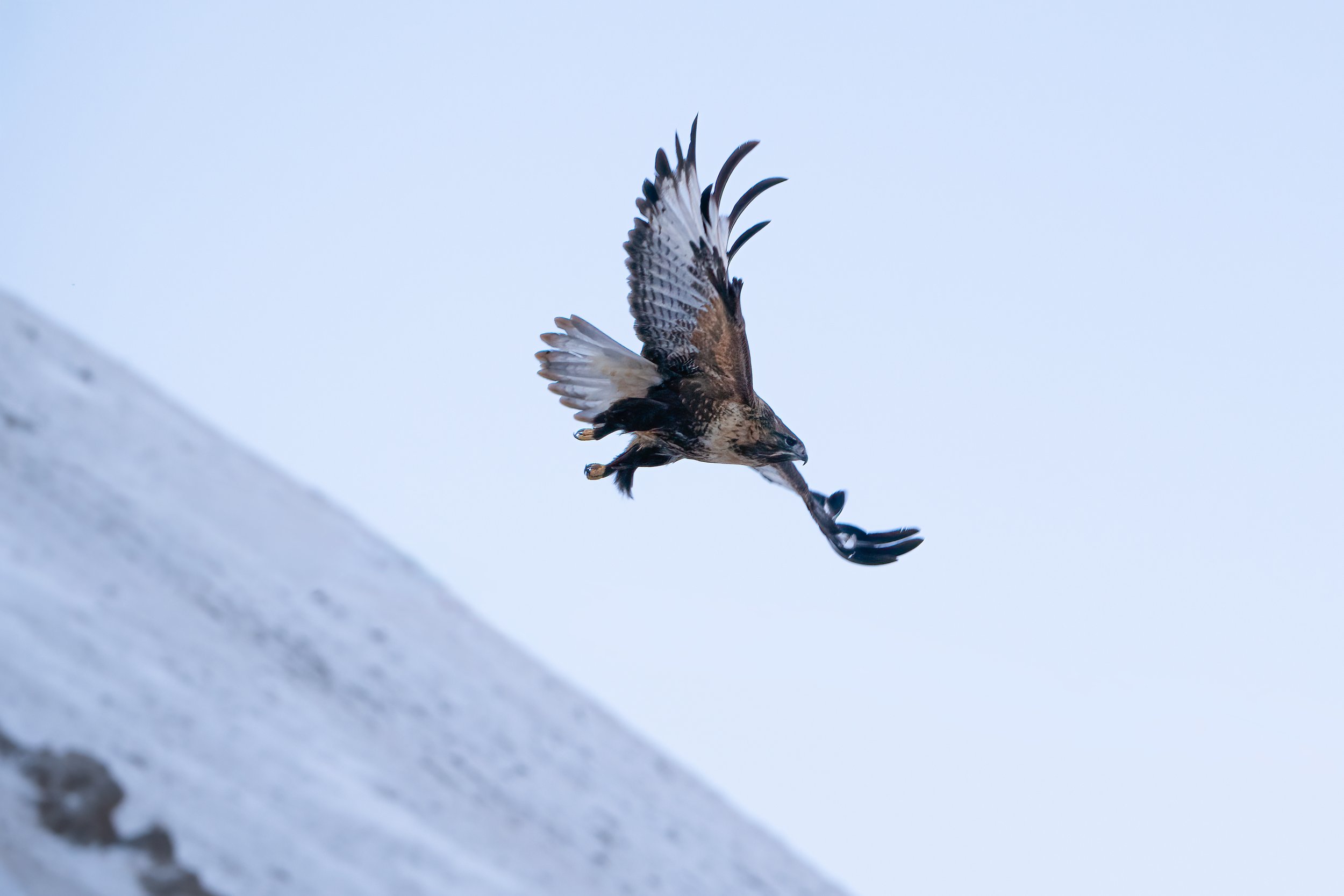
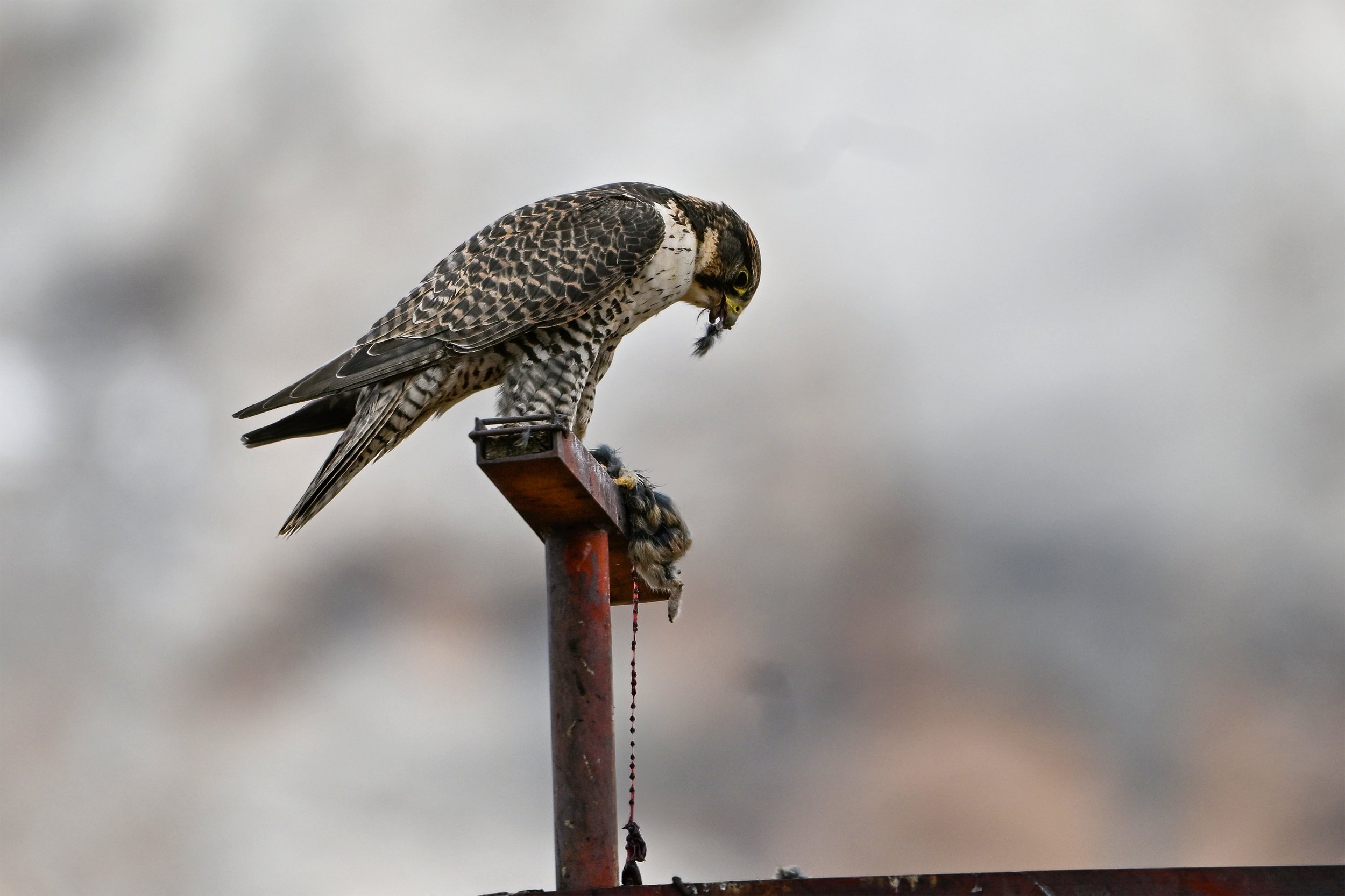
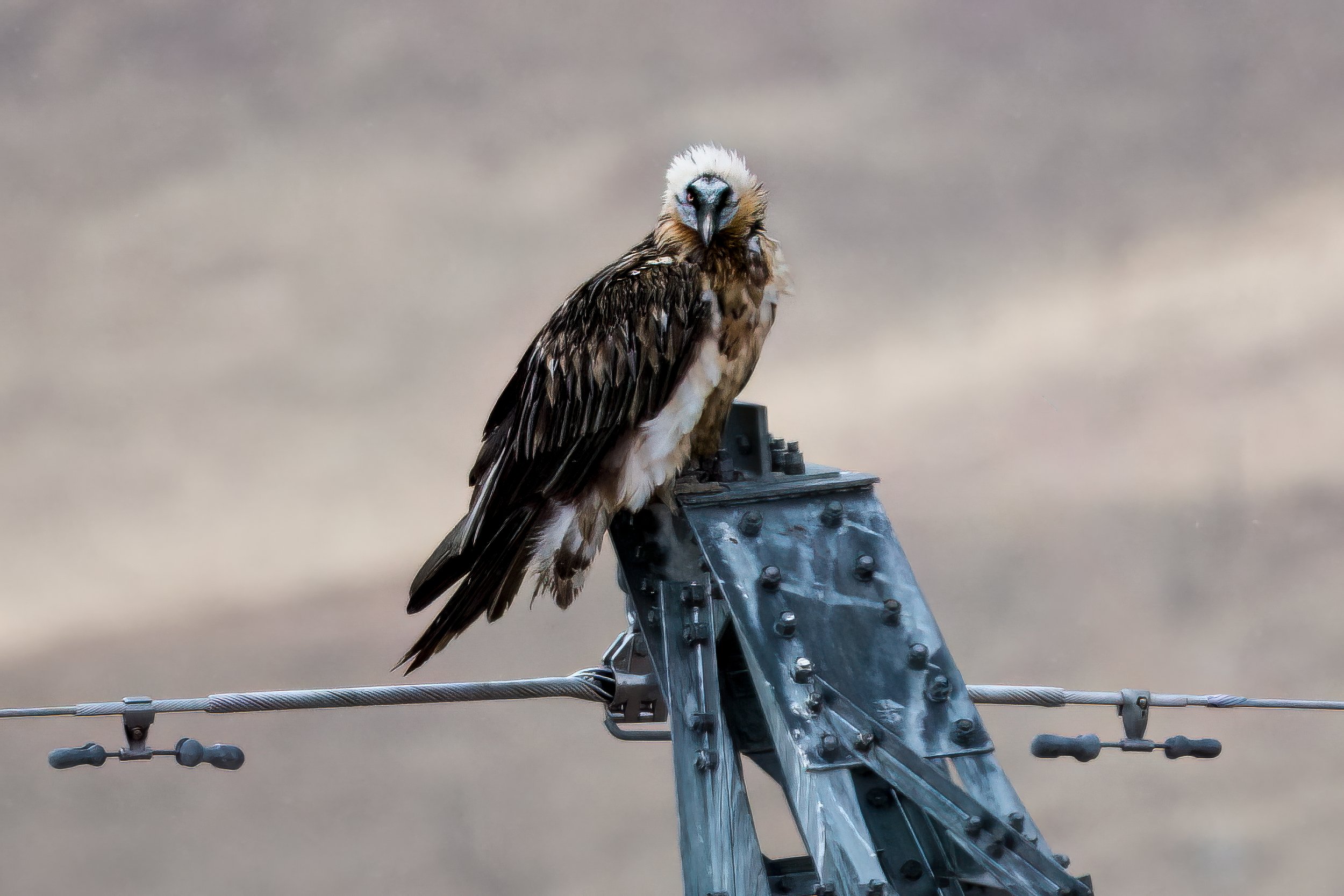
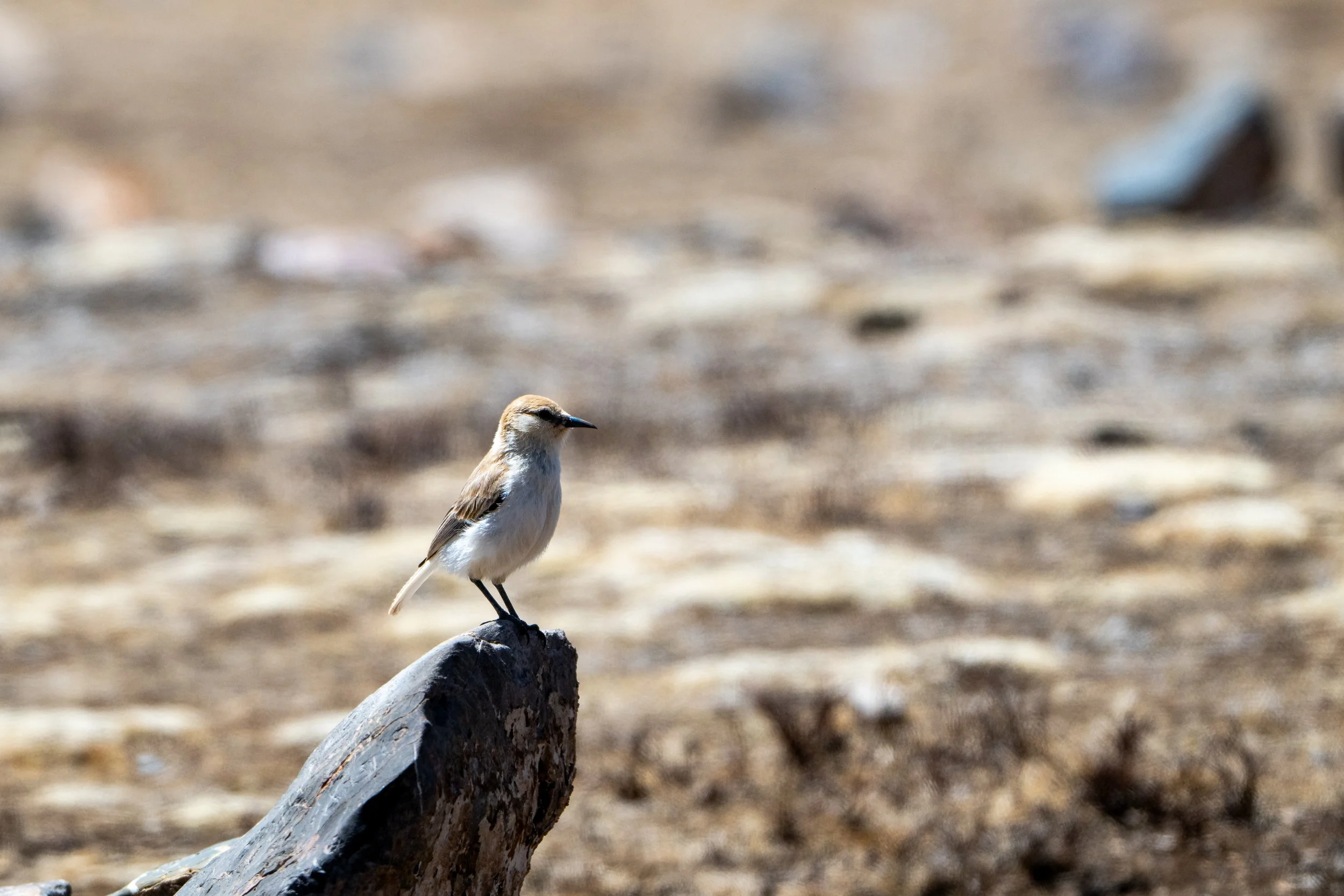
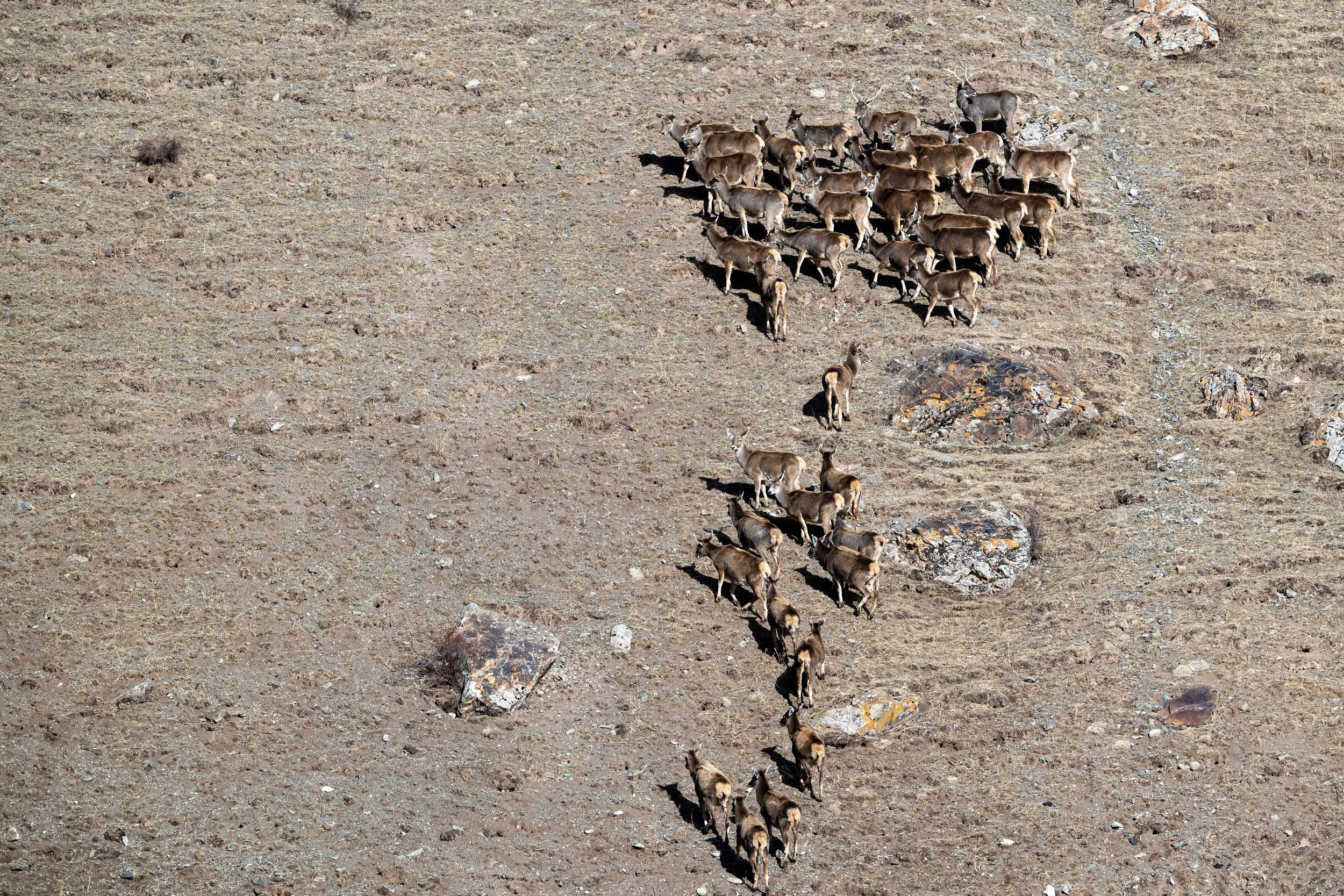
Through our telephoto lenses, we soon spotted golden eagles, bearded vultures, Himalayan griffon vultures, and peregrine falcons. Rose finches flashed across the snow, while herds of blue sheep moved effortlessly along the steep cliffs.
Within just a few hours, this plateau—so recently engulfed by wind and snow—once again revealed its remarkable vitality. Although we never did find the Pallas’s cat, this unexpected change of weather left us with memories every bit as memorable as the animal we had come searching for.
On the fourth day, we waved goodbye to Hashiu Village in Yushu.
Over the last 3 days, we had been the only two tourists there. The wind still swept across the landscape, and the grey-white hills remained stretched silently into the distance. Before leaving, I turned back one last time to look at the scree slopes and ridgelines. Just 2 days earlier, it was on these very mountain ridges that we had found the snow leopard.
What stayed with me most, perhaps, was not only the snow leopard itself. It was the woman who had lost her young yak and her little boy; the herders who crossed mountains every day in search of their livestock; and the villagers who continue to live alongside with the predators on this vast plateau.
🧭 Shifting Perspectives: The Fear of Failing and unknown
For years, I postponed my journey to Sanjianyuan, letting the freezing cold and the fear of not getting what I want keep me in my comfort zone. Yet, after finally enduring the frozen landscapes, I realized the transformation was in the pursuit and journey itself. Even if I missed the snow leopard, I was greeted by breathtaking, unexpected scenery. Beautiful things often appear in ways we never planned.
In leadership and major life transitions, we are often paralyzed by that exact same fear of a fruitless outcome. We let uncertainty delay the decisions that could redefine our future.
In my coaching sessions, I partner with executives to navigate the anxiety of uncertainty, anchor their core values, and step into their next chapter with clarity and confidence.
Field Notes: Sanjianyuan Expedition Guide
1. Best Time for Wildlife & Birding Highlights
Apex Mammals: While tracking can yield results year-round, winter offers a distinct advantage. As the locals always say, there are really only two seasons in Qinghai/Sanjianyuan—winter and summer. During that long winter stretch, the heavy snow blanket forces apex predators like the snow leopard lower down into the valleys in search of food, making them much easier to track.
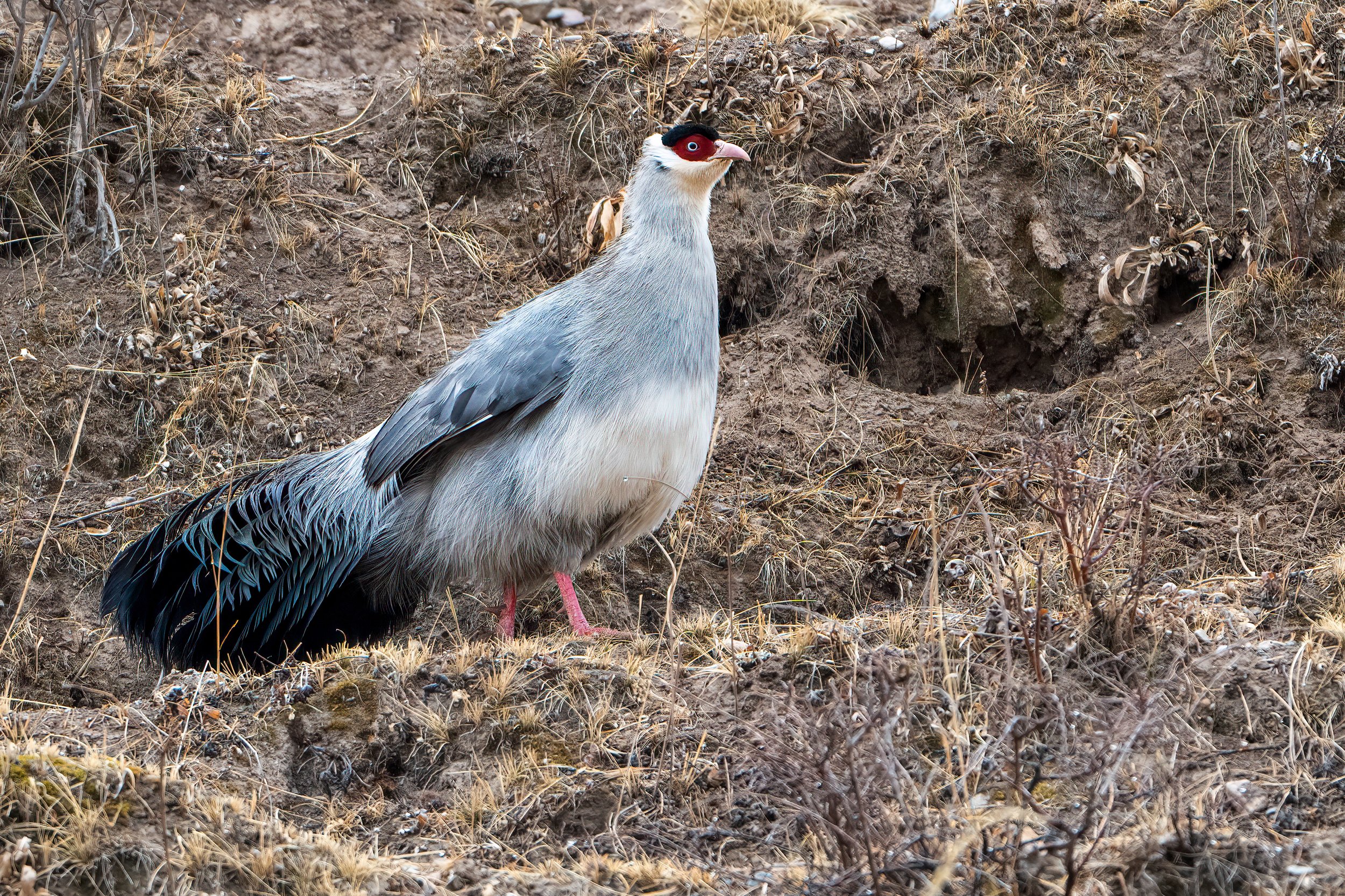
The Pheasant Convoys: Winter is uniquely spectacular for birding enthusiasts targeting the region's beautiful, endemic pheasants. During these cold months, they gather in much larger convoys and descend to lower mountain ranges, making them significantly easier to spot and photograph.
Weather Dynamics: Mountain weather here is fiercely unpredictable. It can snow heavily even in May, making high-quality thermal layers an absolute necessity regardless of the season.
2. High-Altitude Logistics & Acclimatization
The Flight Routes: Routing to the plateau requires strategic planning. You can fly directly into Yushu via Chengdu. However, if you are departing from major hubs like Beijing, Shanghai, or Xi'an, your flights will connect seamlessly via Xining.
Acclimatization Strategy: Because you are landing directly at a staggering altitude, do not rush into the deep field. It is highly recommended to stay at least 1–2 nights in Yushu town (sitting at 3,700 meters above sea level) simply to acclimatize before pushing higher into the reserve.
Health Prep: Stay fully hydrated, avoid strenuous physical exertion during your first 48 hours, and consult a physician regarding altitude medication before the trip.
3. Remote Realities & Access Restrictions
Permits & Regulations: Sanjianyuan enforces strict security and environmental regulations. There are explicit travel and accommodation restrictions for foreigners; certain sensitive zones are strictly forbidden to enter, occasionally even for locals. Always verify your access status well in advance.
Field Accommodations: This is a true wilderness expedition. To drastically cut down on daily commute times to the best wildlife tracking spots, you will need to stay in very basic, rustic accommodations where "dry toilets" are the standard. Mentally preparing for these rugged conditions is part of the journey.
4. Professional Guidance & Spotting
The Necessity of a Guide: Do not attempt to explore this terrain independently. The vastness of the plateau makes it nearly impossible for a normal tourist to spot wildlife. Hiring a highly experienced local guide with a trained eye for tracking is the single most important factor for a successful expedition.