
Journey into the Valley of Flowers, Himalayas, India
English∣ 华文版
Into the Himalayas
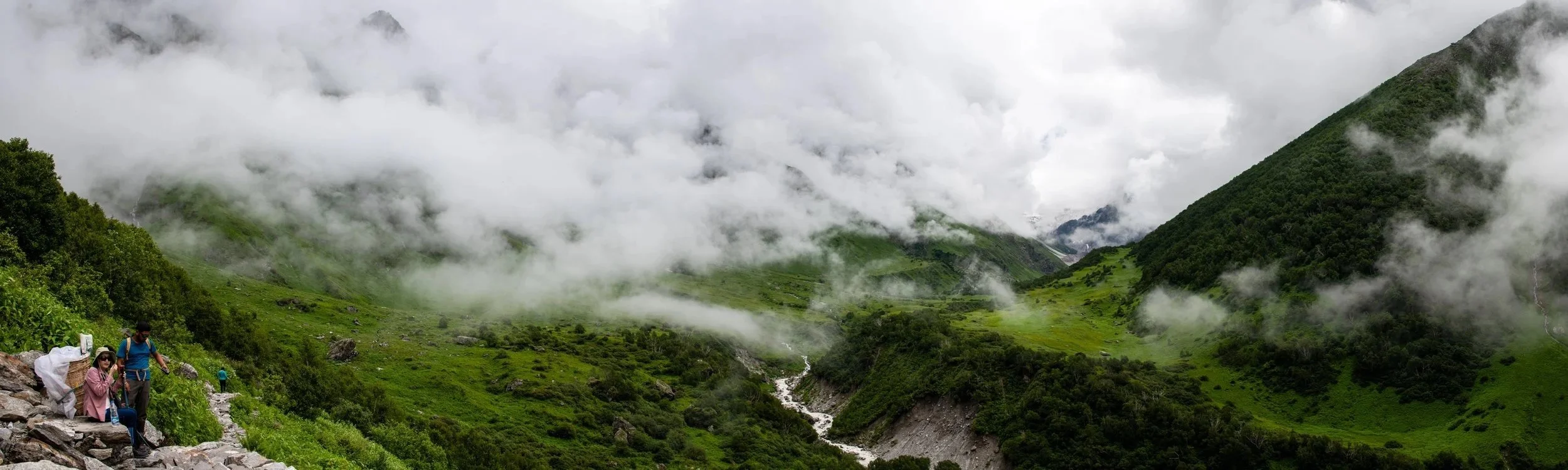
Every year from July to October, as the Himalayan monsoon arrives, the Valley of Flowers National Park in the Indian state of Uttarakhand enters its most spectacular season. After lying dormant for more than half the year, this UNESCO World Heritage Site bursts into life under the nourishing rains, with over 600 species of alpine wildflowers and plants carpeting the valley in a dazzling display of colour and biodiversity.
Perched at an average altitude of about 3,200 metres and encircled by snow-capped peaks, the Valley of Flowers becomes a botanical paradise during the monsoon. Hundreds of alpine species bloom in succession, many of them endemic to the Himalayas.
In July, we flew from Singapore to Dehrahun Airport via Bengaluru to begin our journey into the heart of Himalayas.
The Road to the Valley
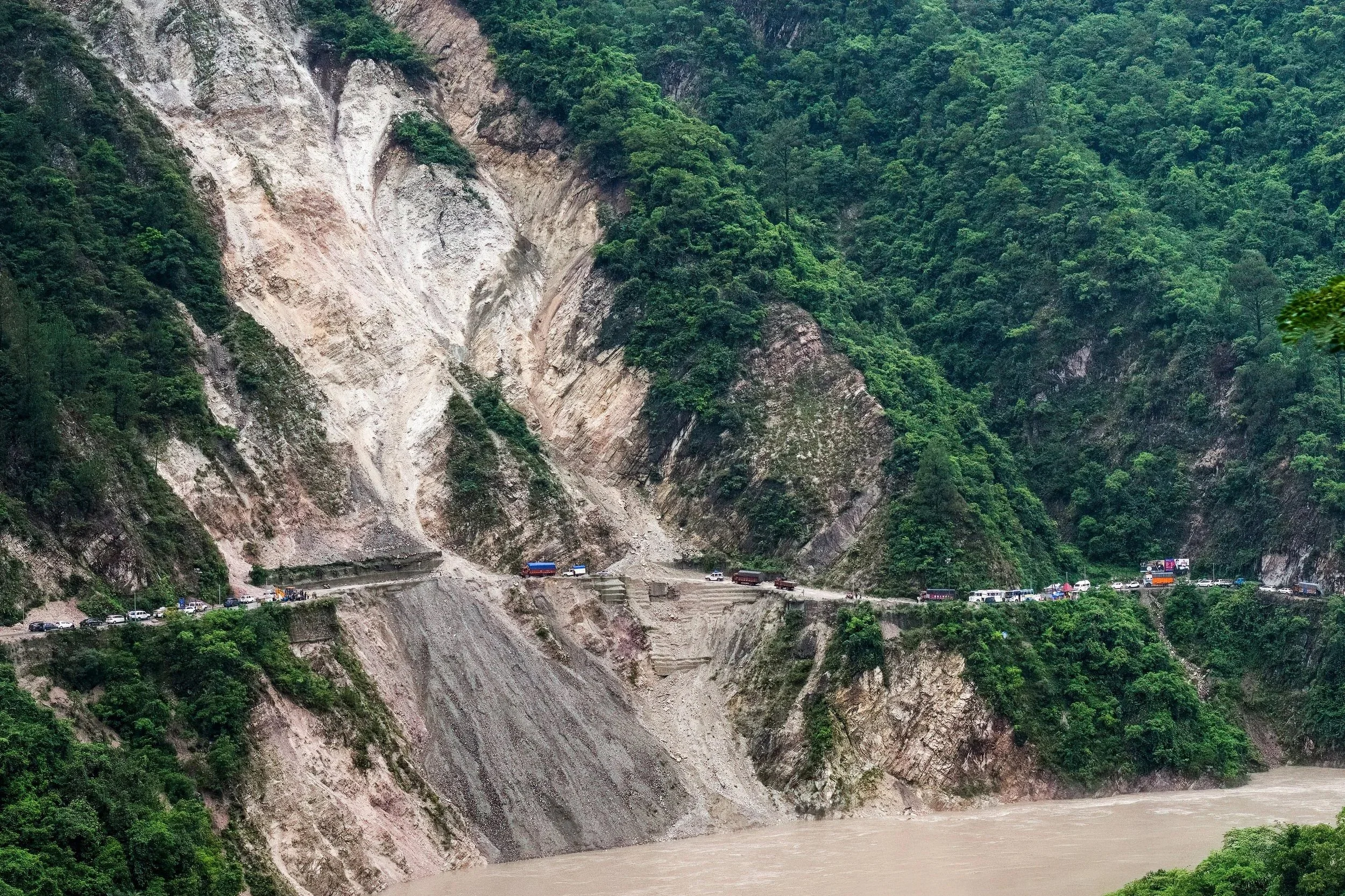
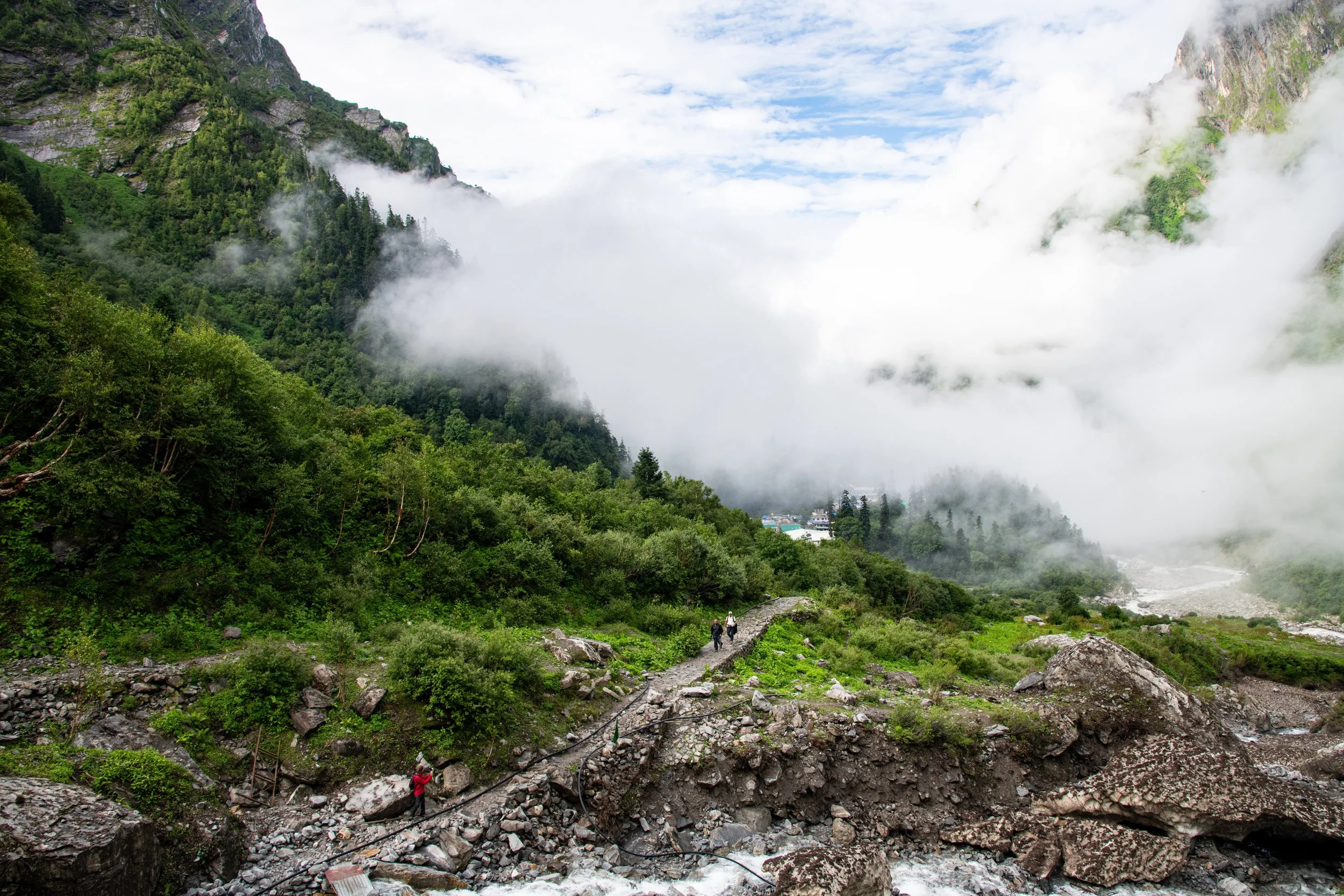
From Dehradun, the journey heads north through Rishikesh and follows the Alaknanda River Valley, passing Joshimath before reaching Govindghat. The drive takes around 12 hours under normal conditions, although it can be considerably longer during the monsoon when landslides or road repair work disrupt traffic.
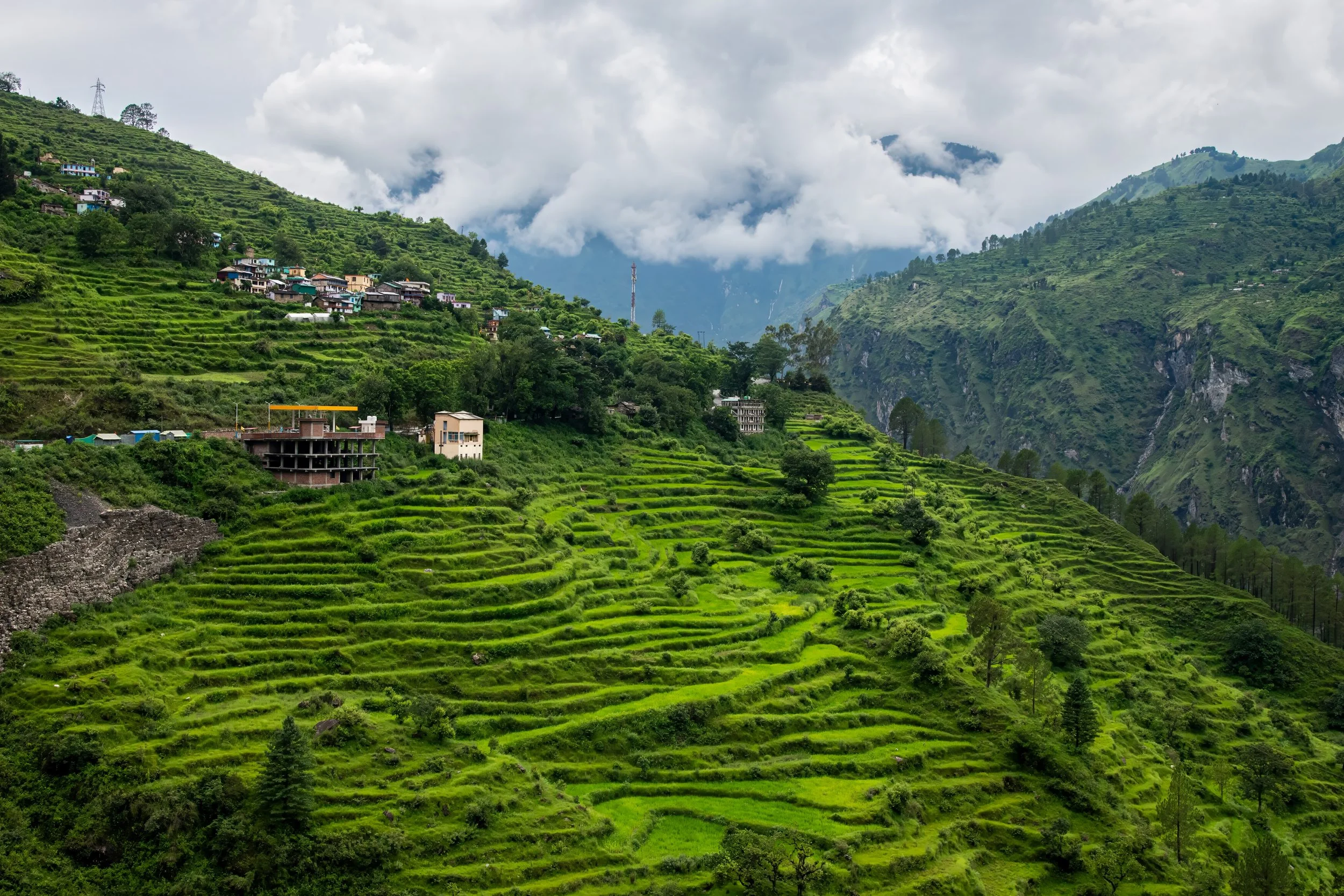
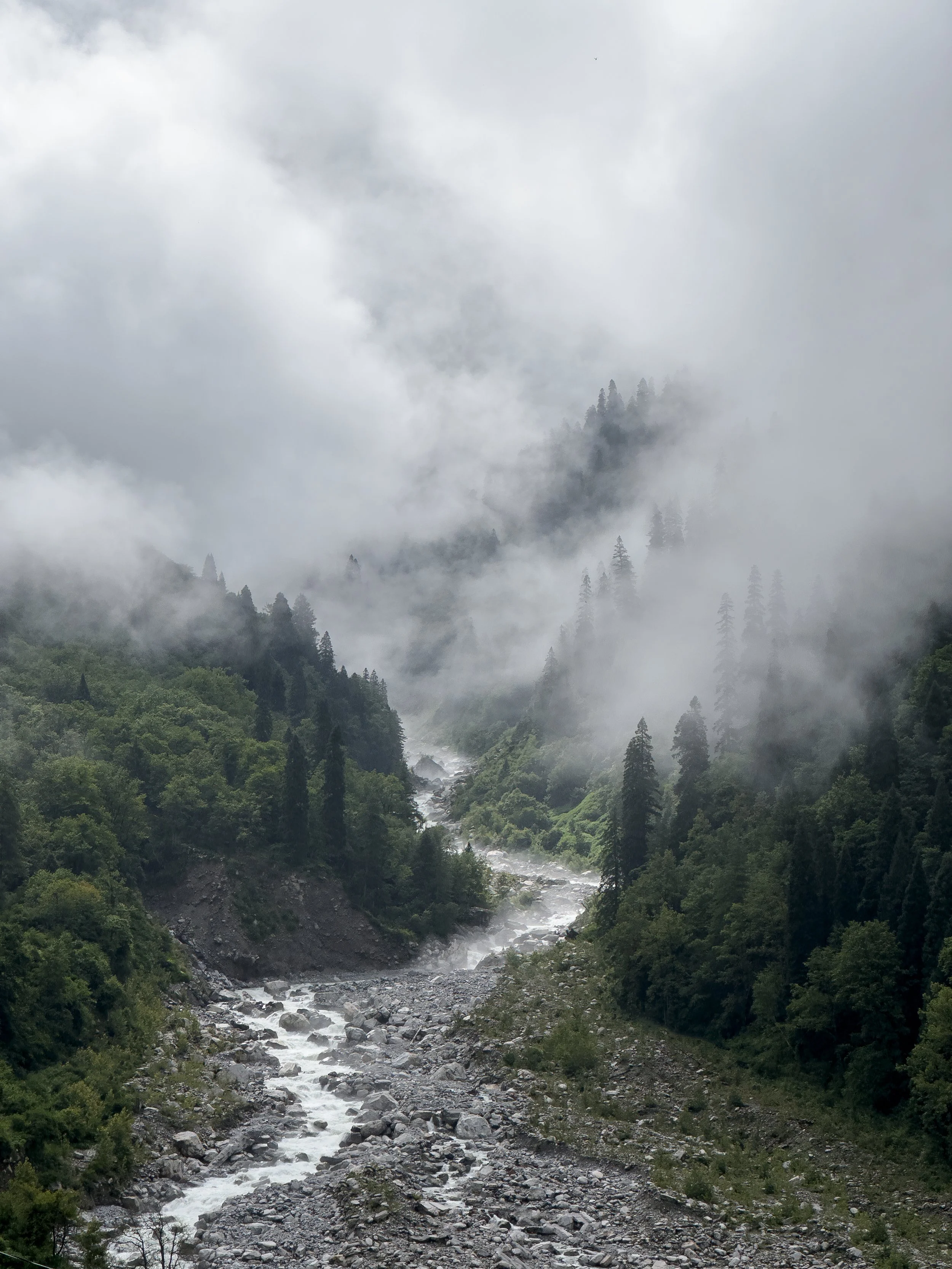
Along the way, dramatic gorges, cascading waterfalls, rushing rivers, terraced fields, and villages clinging to the mountainsides unfold one after another, creating the classic landscape of the Himalayas. Yet this scenic route is also one of India's most landslide-prone mountain roads. During the monsoon season, flash floods and landslides are not uncommon. Collapsed hillsides and road repair crews are frequent sights, making the journey to the Valley of Flowers both nerve-racking and unforgettable.
The Trail to the Valley of Flowers
Our vehicle could take us no farther than Govindghat. Beyond this point, there are no roads.
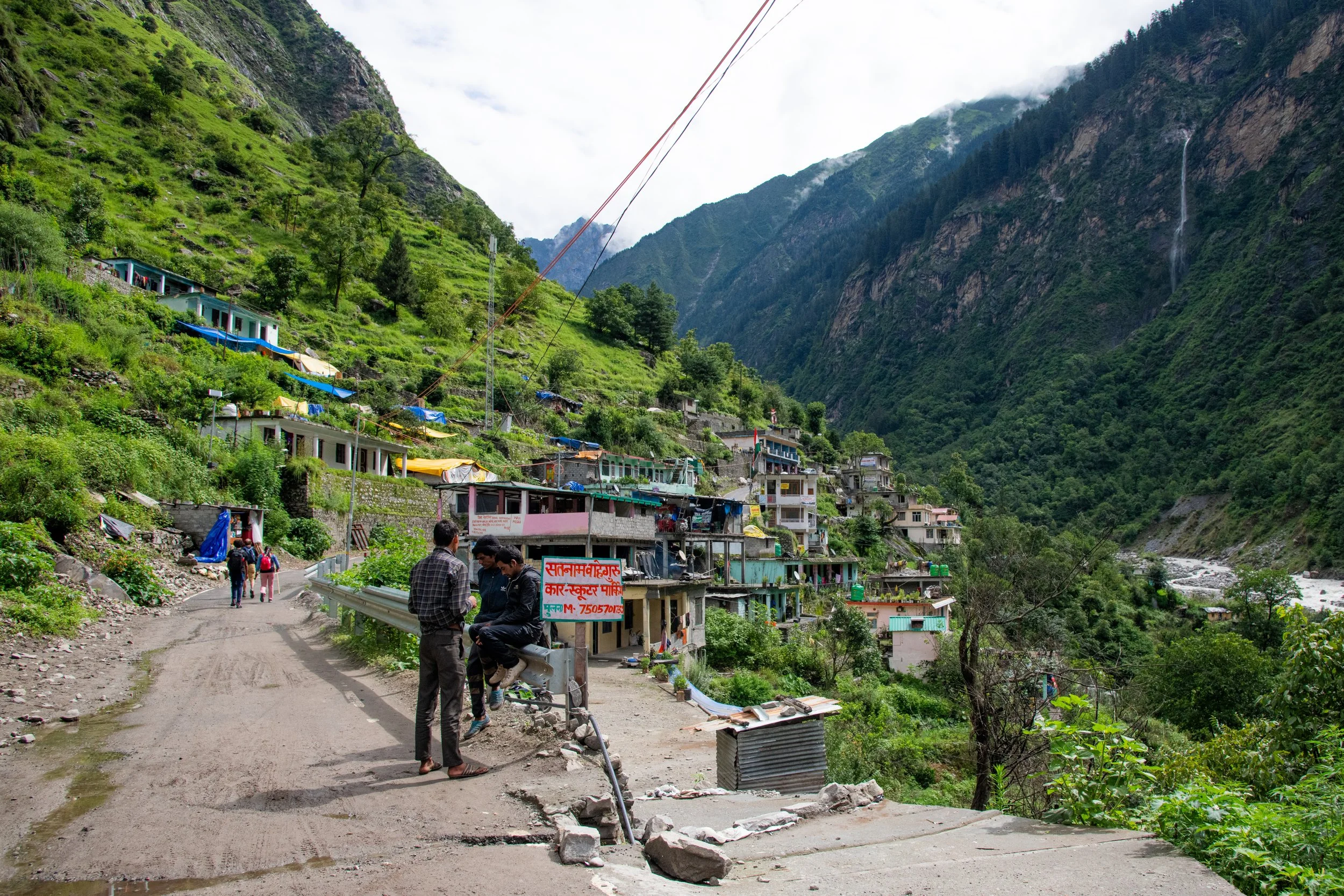
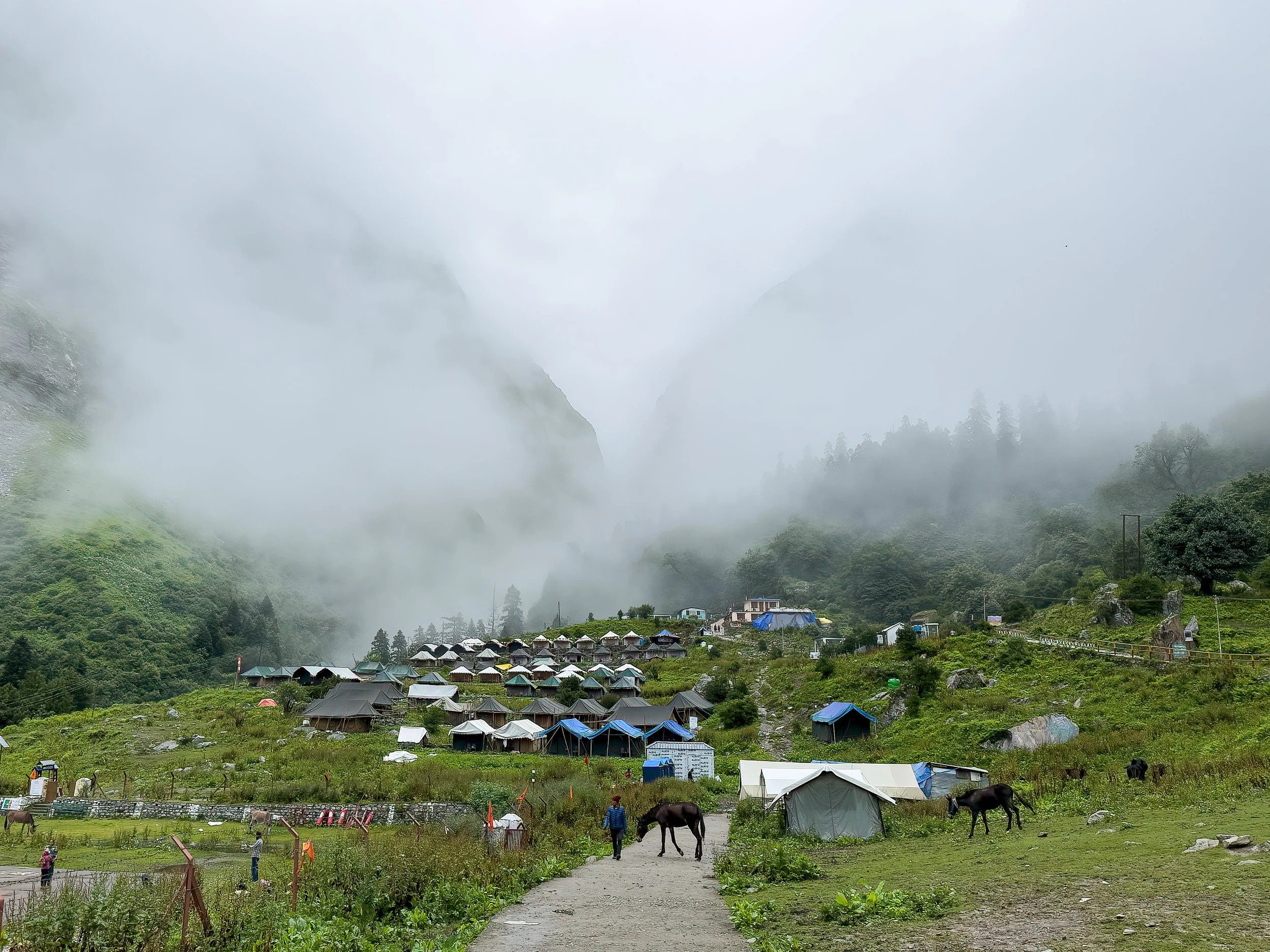
All visitors to the Valley of Flowers National Park must trek approximately 12 kilometres to Ghangaria, a small mountain village at an altitude of about 3,000 metres. As the only gateway to the national park, Ghangaria serves as the sole base for accommodation and rest before entering the valley.
The trail climbs gradually along a picturesque river valley, flanked by dense forests and rushing mountain streams. With no motorised vehicles allowed beyond Govindghat, all supplies are transported by mules. Hikers and pack animals share the same narrow mountain path, creating a distinctive scene that is part of the Himalayan experience.
After several hours of trekking, we finally arrived at the peaceful village of Ghangaria. During the brief flowering season each summer, this otherwise quiet settlement comes alive as trekkers, photographers, and nature enthusiasts from around the world gather here, bringing a lively atmosphere to this remote Himalayan outpost.
The Once-a-Year Flowering Season
The following morning, we finally stepped into the long-awaited Valley of Flowers National Park.
Motorised vehicles are strictly prohibited throughout the park, and visitors explore the valley on foot along stone-paved trails. Built by local villagers using natural rocks from the surrounding mountains, these paths provide safe access while preserving the valley's pristine landscape.
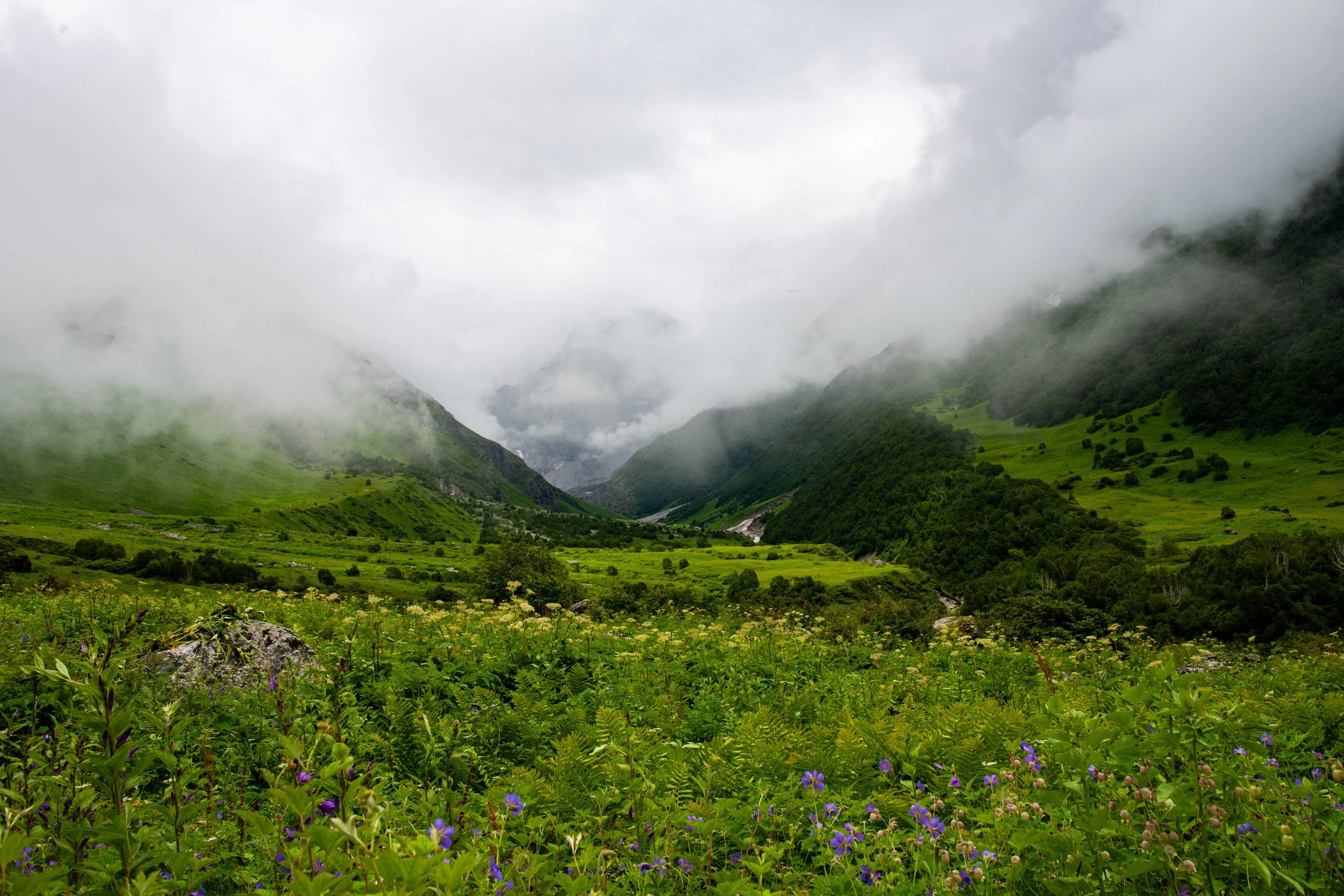
The monsoon is when the Valley of Flowers is at its most enchanting. Nourished by abundant rainfall, more than 600 species of wildflowers and alpine plants bloom in succession. Vibrant blossoms are scattered across emerald meadows, stream valleys, and mountain slopes like countless stars, painting the landscape with an ever-changing tapestry of colours.
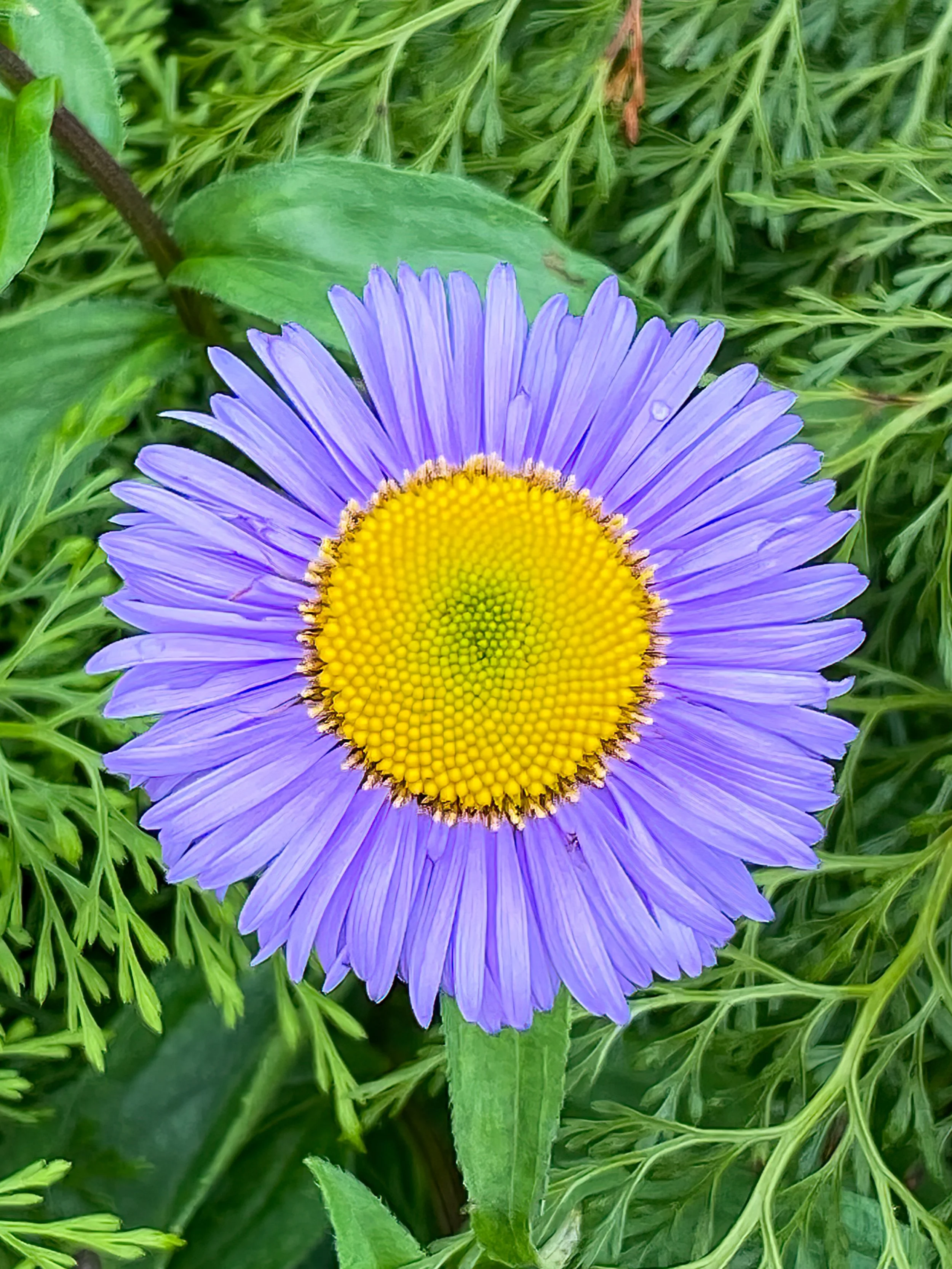
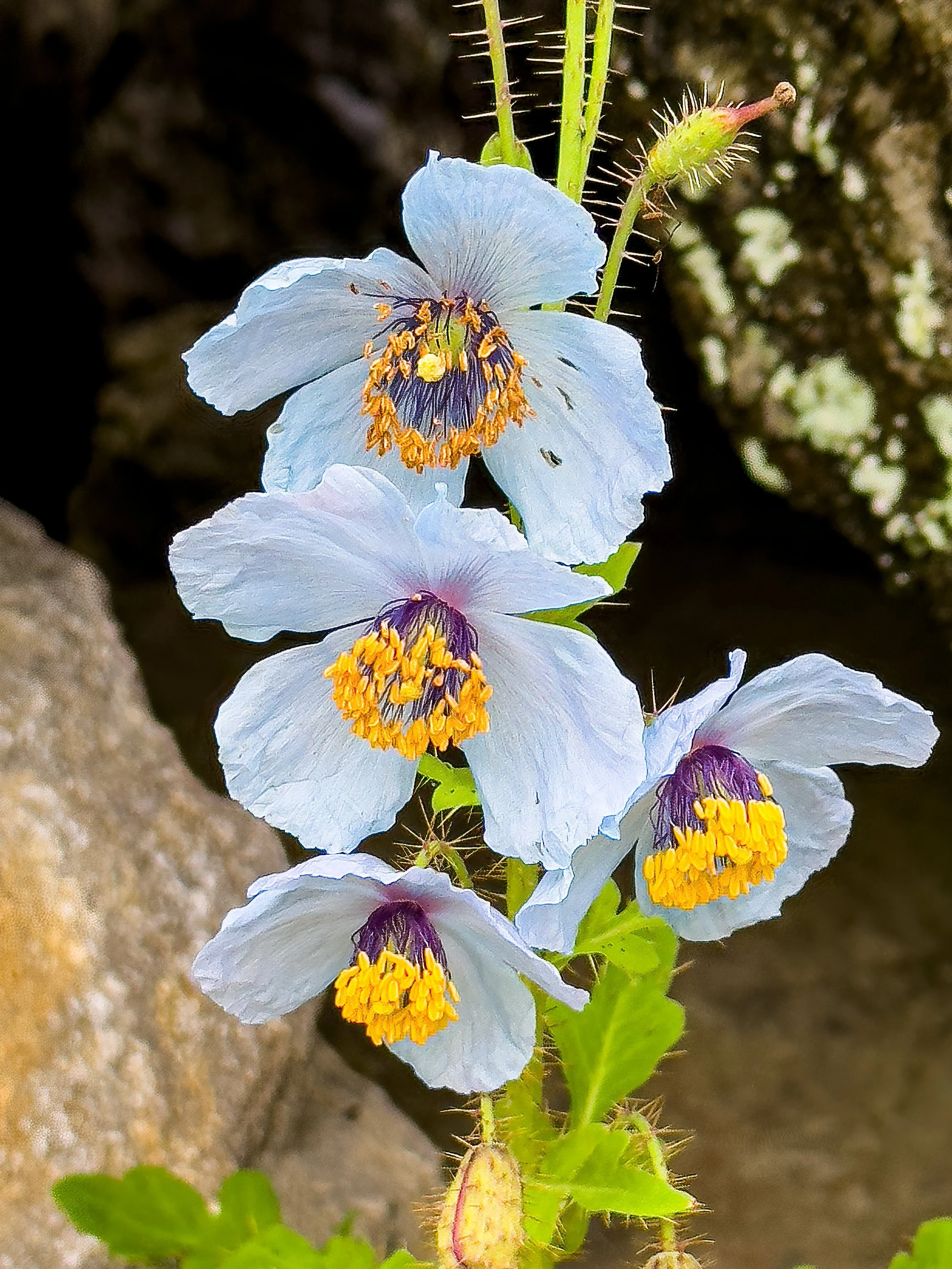
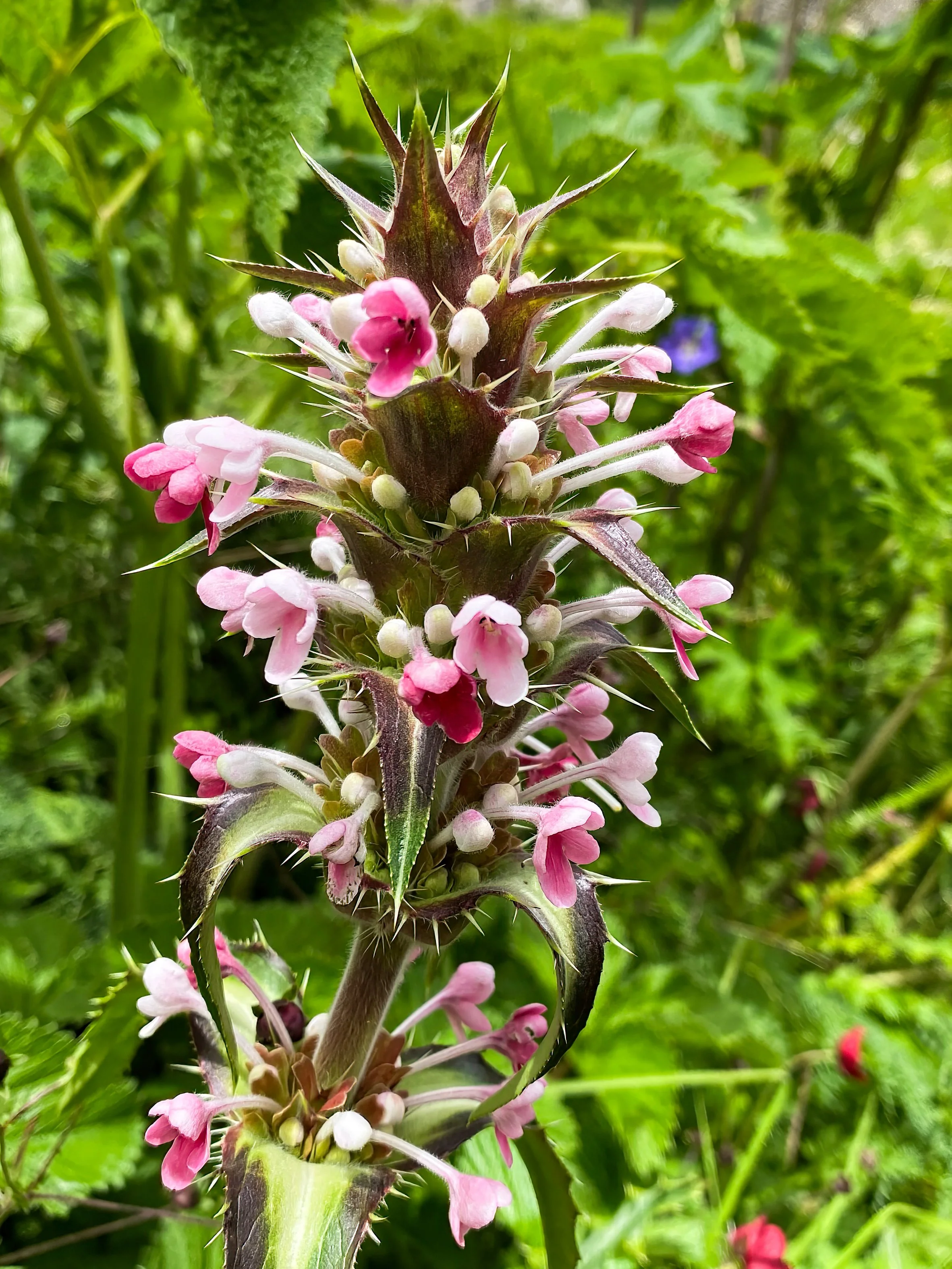
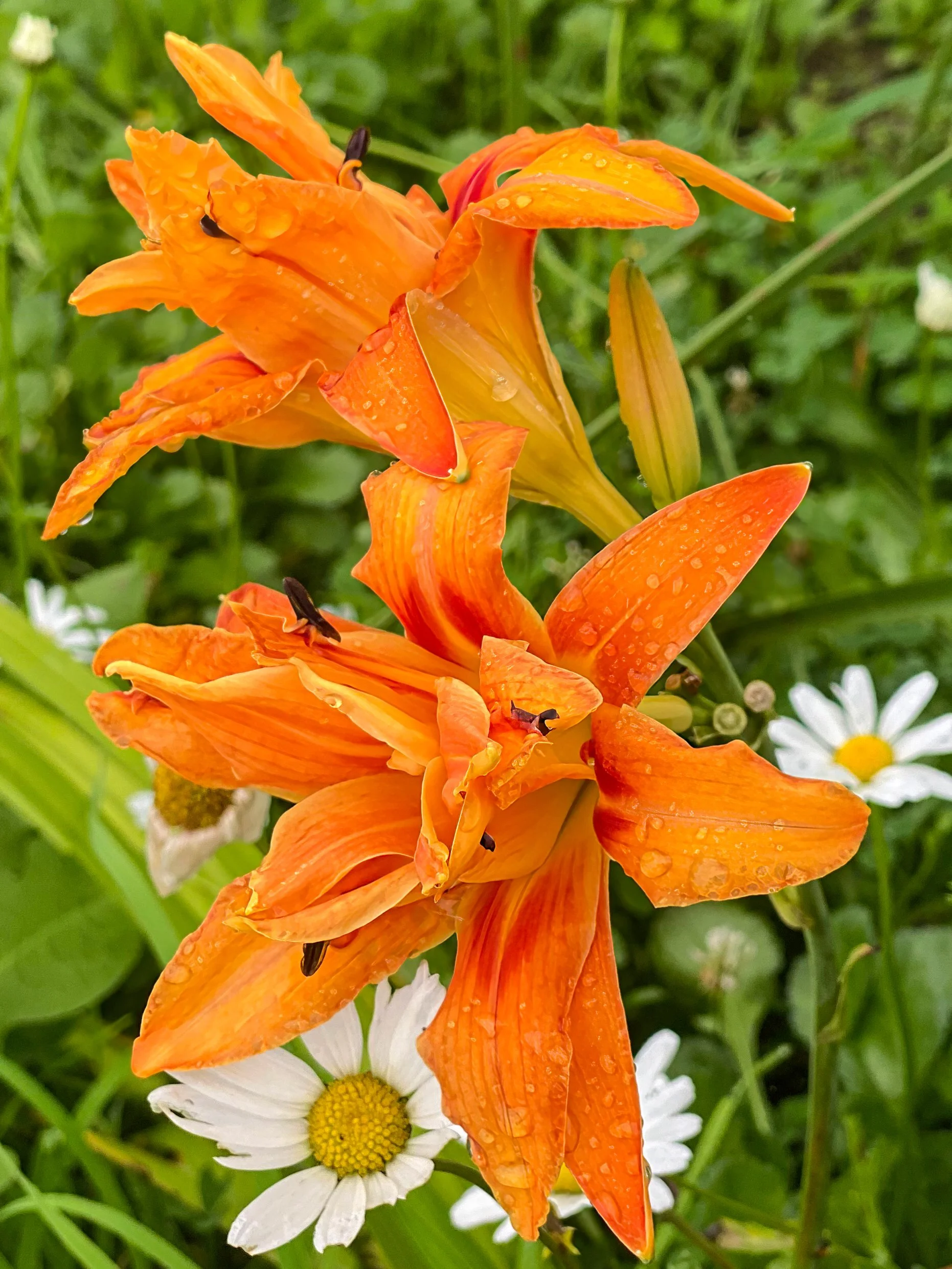
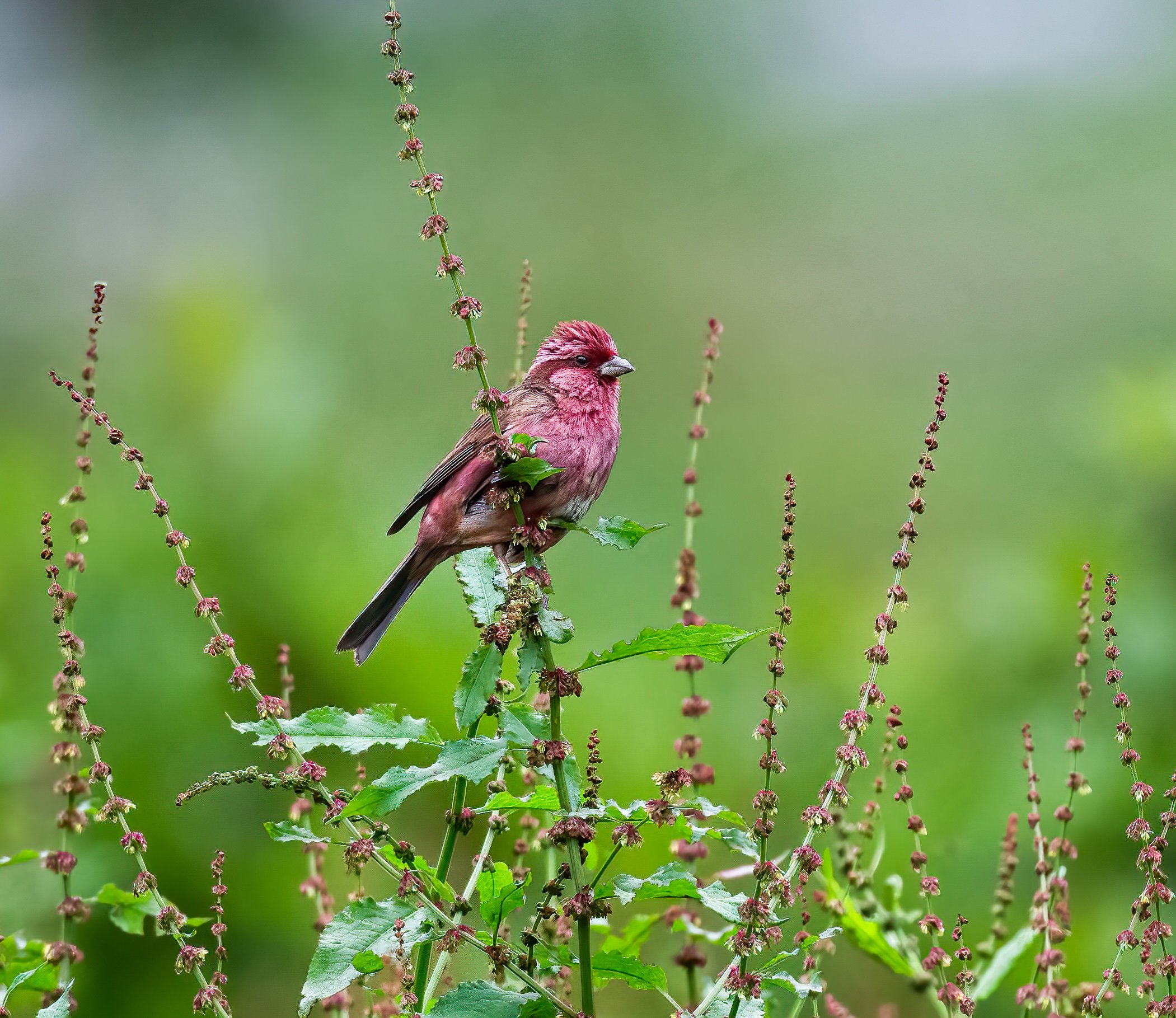
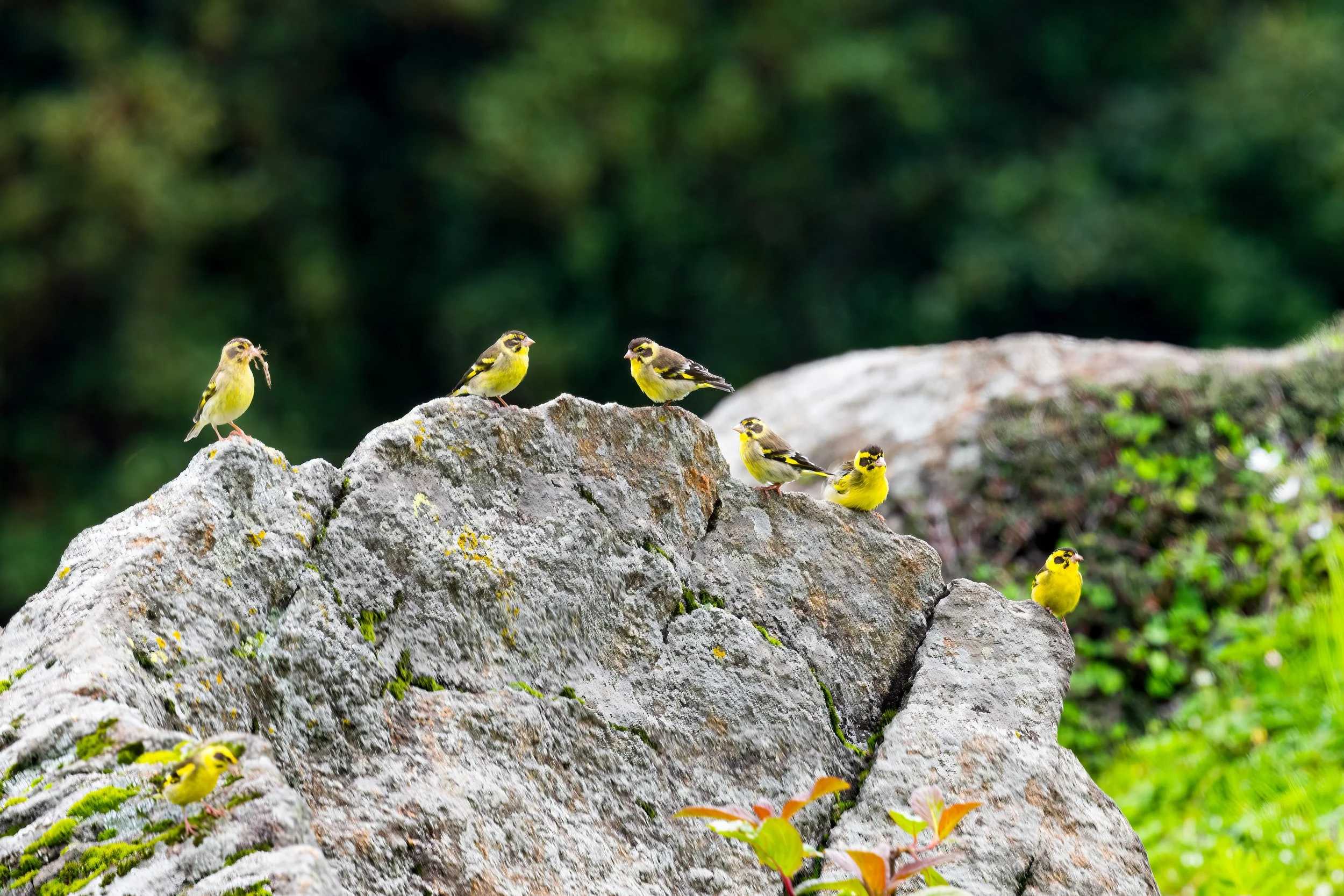
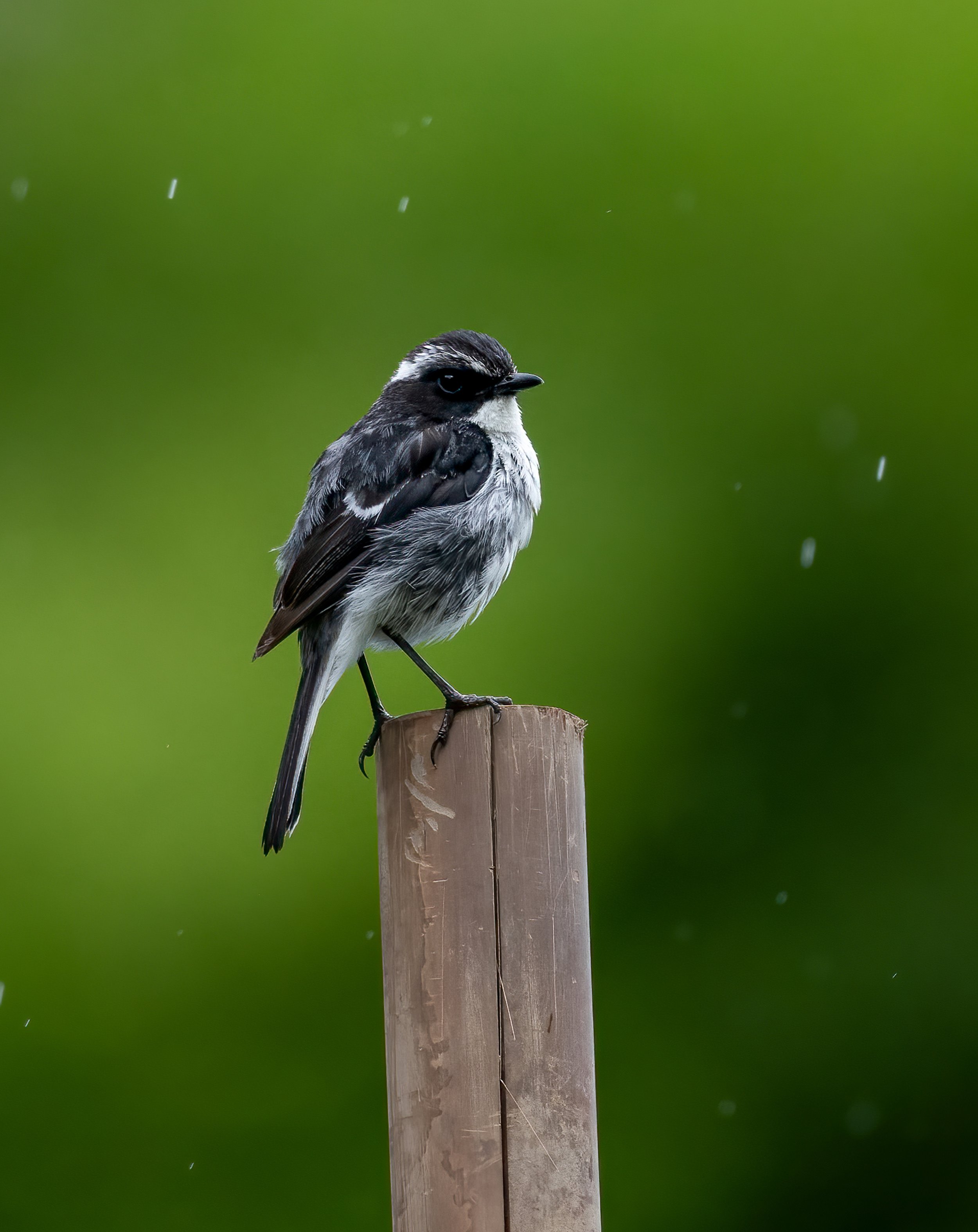
Beyond its extraordinary floral diversity, the valley also supports a rich alpine ecosystem. Mountain birds can often be spotted flitting among the forests and meadows, adding movement and life to the peaceful surroundings.
As our Himalayan journey came to an end, I realised that what stayed with me was not only the valley, but also the rugged landscapes we had travelled through and the quiet resilience of the people who call these mountains home.
The monsoon brings floods, landslides and uncertainty. Yet it is the very same rains that awaken the Valley of Flowers each year.
It reminded me that growth rarely happens in perfect conditions. Sometimes, the very challenges we wish away become the catalyst for renewal, resilience and transformation. Like the Himalayas, life often asks us to navigate difficult terrain before revealing unexpected beauty. The invitation is not to avoid adversity, but to remain curious about what it may be teaching us.